Why Loose Sapphires Are the Most Valuable Gemstones in 2025
Introduction
Sapphires are among the most sought-after gemstones in the world, admired for their durability, rarity, and breathtaking colors. While most people are familiar with sapphire jewelry—rings, necklaces, and bracelets—the real beauty of these stones often begins in their loose form. Loose sapphires, which are gemstones not yet mounted into jewelry, give collectors, jewelers, and buyers more freedom in terms of design, investment, and customization.
For anyone planning to purchase sapphires, whether as an investment or to design unique jewelry, understanding the world of loose sapphires is essential. From the mesmerizing blue sapphires of Ceylon to the increasingly popular peach sapphires and exotic teal sapphires, loose stones allow a closer look at the gemstone’s authenticity, clarity, and natural beauty before it is set into a piece of jewelry.
This guide dives deep into everything you need to know about loose sapphires—including their colors, origins, pricing, treatments, and buying tips—so you can make informed decisions whether you’re a first-time buyer or a seasoned collector.
Understanding Loose Sapphires
What Are Loose Sapphires?
Loose sapphires are gemstones that have been cut and polished but not yet set into jewelry. They are sold as individual stones, often graded for their quality, size, and origin. Unlike pre-made jewelry, loose sapphires allow buyers to inspect every angle of the stone, making it easier to evaluate transparency, inclusions, and natural beauty.
Gem collectors, designers, and jewelers prefer loose sapphires because they give complete flexibility—whether you want to mount the stone in a ring, pendant, or keep it as part of a gemstone collection.
Why Choose Loose Stones Instead of Jewelry?
-
- Transparency in Quality – When buying sapphire jewelry, you usually see only the surface of the stone. A loose sapphire lets you examine its cut, clarity, and authenticity without obstruction.
-
- Customization – Loose stones can be set into any design of your choice. Whether you dream of a minimalist solitaire ring or a vintage-style necklace, the options are endless.
-
- Better Investment – Collectors often purchase loose sapphires because they retain value and are easier to resell. Jewelry settings can go out of style, but the intrinsic worth of the gemstone remains.
-
- Access to Rare Colors – Buying loose sapphires gives you access to unique color variations, such as teal, peach, or cornflower blue, which may not always be available in ready-made jewelry.
Types of Loose Sapphires by Color
One of the most fascinating aspects of sapphires is their wide spectrum of colors. While blue is the most iconic, sapphires naturally occur in pink, peach, green, teal, and even rare fancy shades. Let’s explore the major types of loose sapphires you’ll encounter in the market:
Blue Sapphires
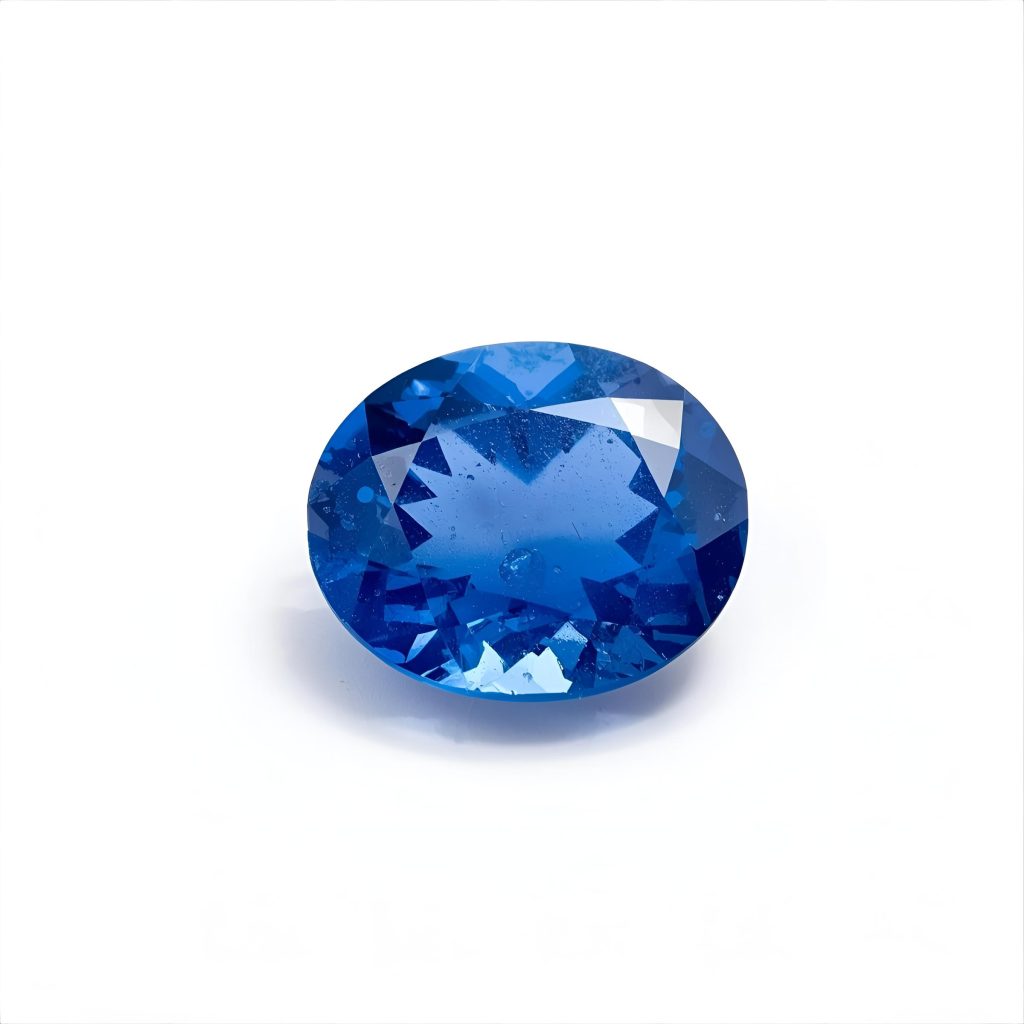
When most people hear the word “sapphire,” they immediately think of blue sapphires. These are the most famous and historically significant sapphires, often associated with royalty and luxury.
Ceylon Blue Sapphires
Ceylon sapphires, sourced from Sri Lanka, are considered the benchmark in the sapphire world. They are prized for their exceptional clarity, vivid saturation, and bright luster. Unlike darker blue sapphires from other regions, Ceylon sapphires typically have a lighter, more vibrant appearance that allows light to pass through beautifully.
-
- Why Buyers Love Them: Natural brilliance, high demand, and prestigious origin.
-
- Price Range: Depending on size, untreated Ceylon sapphires can range anywhere from $500 per carat for commercial-quality stones to over $10,000 per carat for high-grade gems.
Cornflower Blue Sapphires
Cornflower blue sapphires are one of the most prized varieties due to their medium, velvety blue hue that’s neither too dark nor too light. They are highly sought after by collectors and often command premium prices.
-
- Origin: Frequently found in Sri Lanka, Kashmir, and Madagascar.
-
- Market Value: Fine-quality cornflower sapphires may fetch $8,000 to $20,000 per carat, especially if untreated.
Fancy Blue Sapphires
While “fancy” usually refers to diamonds, in sapphires, fancy blue often means unique shades beyond the standard royal or cornflower blue—such as steely blue, violet-blue, or lighter ice-blue tones. These stones appeal to buyers looking for unusual sapphire colors at varying price points.
Pink Sapphires
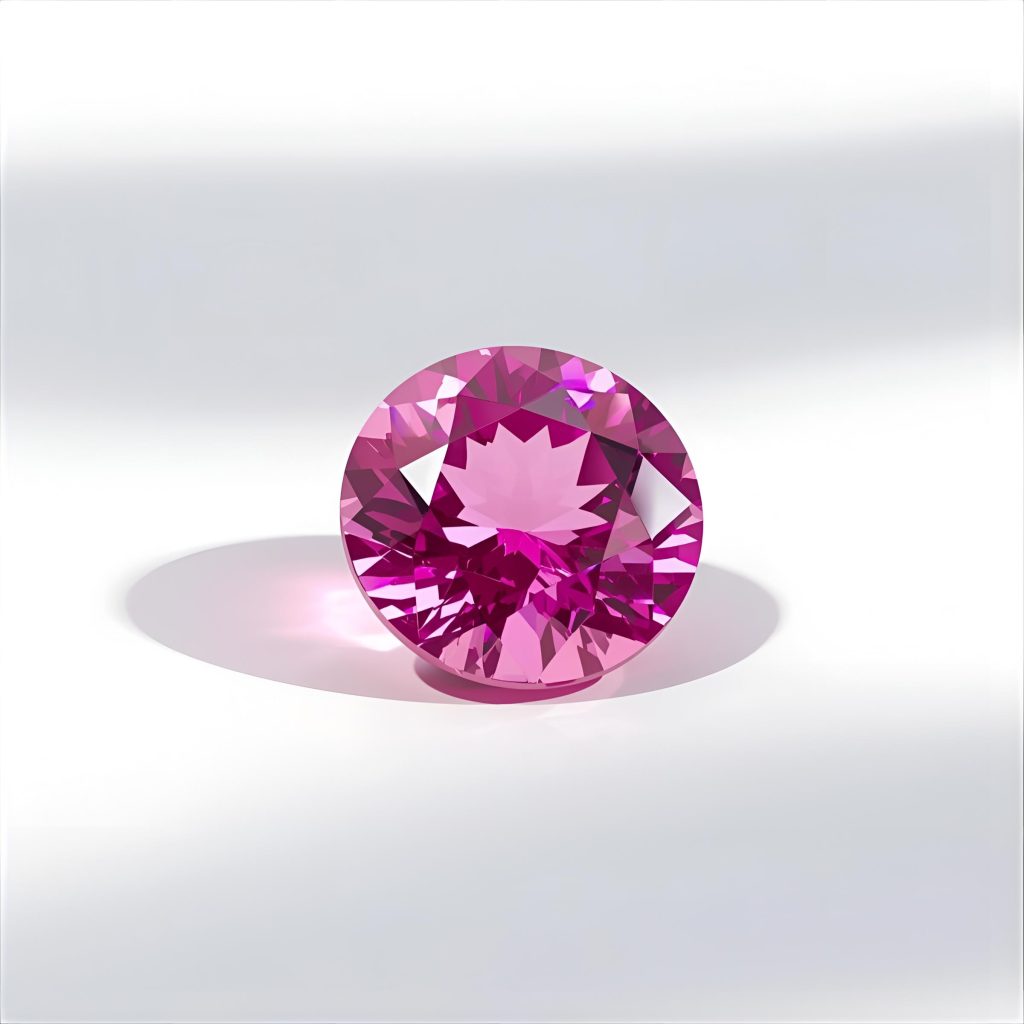
Pink sapphires have gained immense popularity in recent years, especially as alternatives to pink diamonds. Their romantic, feminine color makes them a favorite for engagement rings.
-
- Color Range: From light baby pink to intense fuchsia.
-
- Popularity: Increasing demand due to celebrity endorsements and the growing preference for colored gemstones.
-
- Price Range: Typically between $800–$5,000 per carat, depending on saturation and clarity. Intense vivid pinks command higher premiums.
Unlike rubies, which also fall under the corundum family, pink sapphires are distinguished by their softer hues. For buyers who want an elegant yet unique gemstone, pink sapphires provide the perfect balance of rarity and affordability compared to rubies or diamonds.
Peach Sapphires
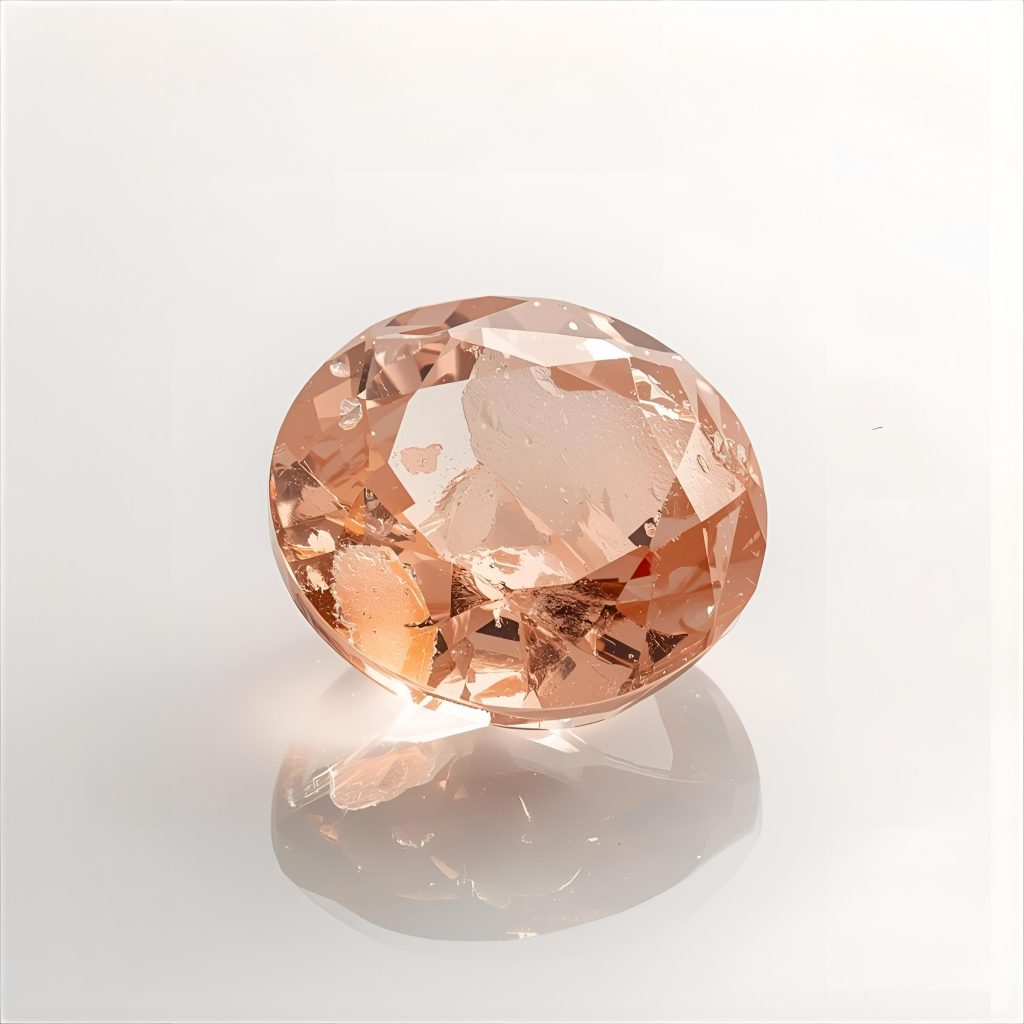
Peach sapphires are part of the “fancy sapphire” family and are beloved for their delicate, pastel tones. Their warm, subtle color blends shades of pink, orange, and champagne, making them a versatile choice for both modern and vintage-inspired jewelry.
-
- Rising Trend: Often used in boho-chic and minimalist jewelry styles.
-
- Value: Prices usually range between $600–$3,500 per carat, making them more affordable than traditional blue sapphires.
-
- Investment Potential: While not as historically established as blue sapphires, their growing popularity has pushed demand upward in recent years.
Teal & Blue-Green Sapphires
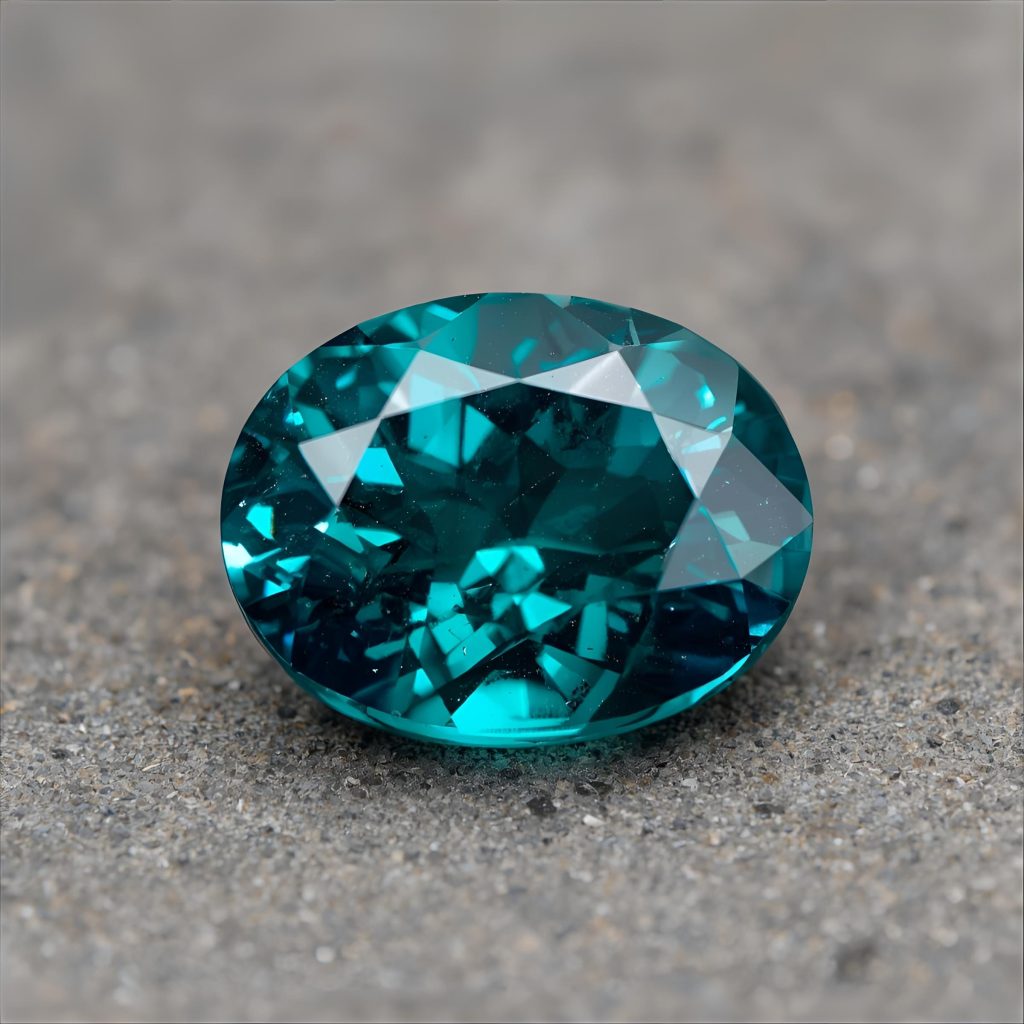
One of the most exciting sapphire varieties to gain traction in recent years is the teal sapphire, known for its mesmerizing blend of blue and green tones. Teal sapphires often display a color-changing effect depending on the angle of light, shifting between deep ocean blues and lush forest greens.
Why Teal Sapphires Are Popular
-
- Unique Aesthetic: They combine the elegance of blue sapphires with the freshness of green hues.
-
- Rising Trend: Millennials and Gen Z buyers love their modern, unconventional look.
-
- Affordable Alternative: Teal sapphires are generally less expensive than top-quality blue sapphires but still hold great value.
-
- Origin: Common sources include Australia, Montana (USA), and Madagascar.
-
- Price Range: $500 to $3,000 per carat depending on saturation, cut, and whether untreated.
Blue-Green Sapphires
Blue-green sapphires are often grouped with teal sapphires, but they have slightly different characteristics. While teal stones usually display a balanced mix of both colors, blue-green sapphires often lean more heavily toward one shade.
-
- Color Range: From seafoam hues to darker, stormy tones.
-
- Market Demand: Increasing in the custom jewelry market, especially for engagement rings.
-
- Price Point: Similar to teal sapphires, though stones with balanced, vivid coloration may command a premium.
Blue-green sapphires are also notable because they often form in regions where geological conditions produce unusual trace elements, giving the stones their rare colors.
Green Sapphires
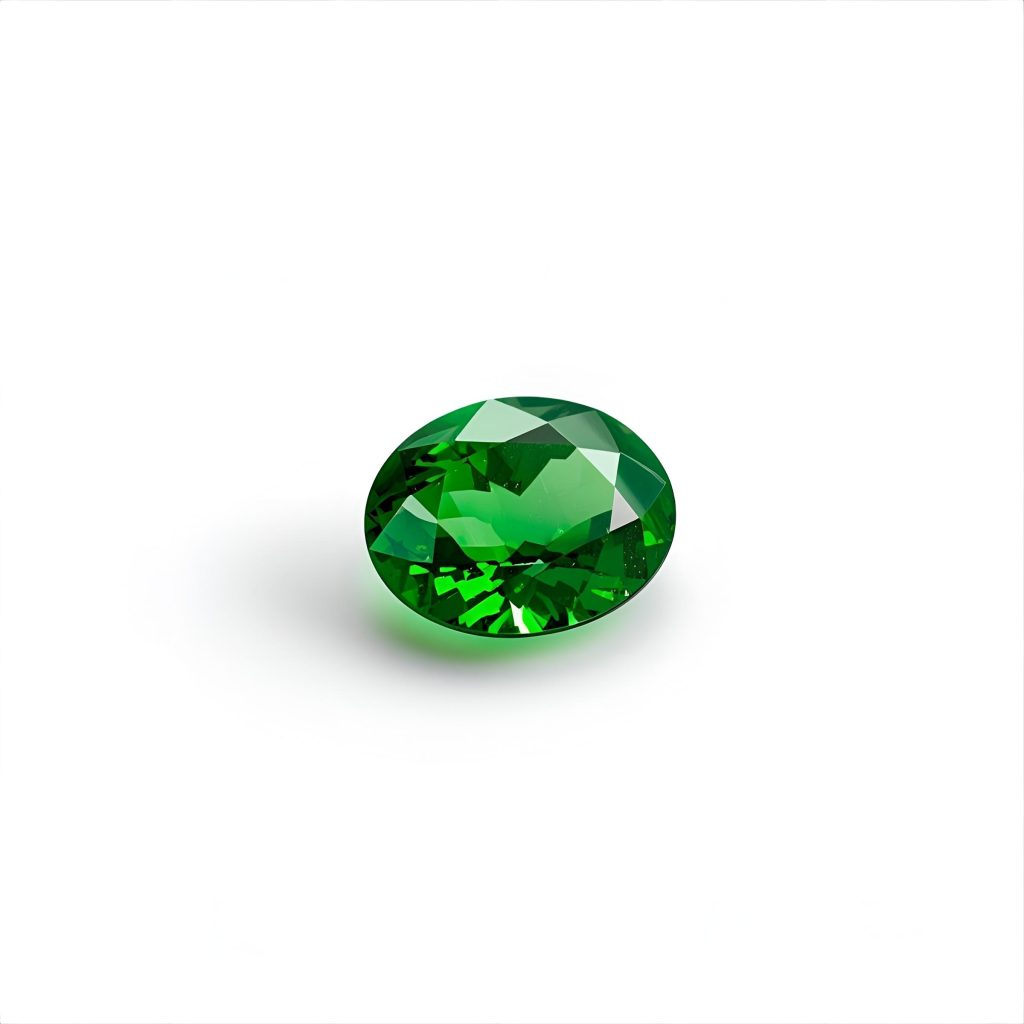
While less famous than their blue counterparts, green sapphires are gaining popularity as an affordable and unique option. These stones exhibit shades ranging from light mint green to deep olive tones.
Characteristics of Green Sapphires
-
- Durability: Like all corundum gems, they score 9 on the Mohs scale, making them extremely durable.
-
- Color Variations: Some stones have a yellowish-green tint, while others are more bluish-green, resembling emeralds.
-
- Clarity: Green sapphires often have fewer inclusions compared to other colored sapphires.
Pricing of Green Sapphires
-
- Affordable Option: Usually less expensive than blue or pink sapphires.
-
- Price Range: Around $300–$2,500 per carat depending on intensity and clarity.
-
- Market Value: While they don’t carry the same prestige as Ceylon blues, their affordability makes them attractive to budget-conscious buyers.
Why Choose Green Sapphires?
-
- Perfect for buyers who want a gemstone with character but without the higher price tag of blue sapphires.
-
- Their subtle yet vibrant tones work beautifully in both modern and antique-style jewelry.
Untreated vs Treated Sapphires
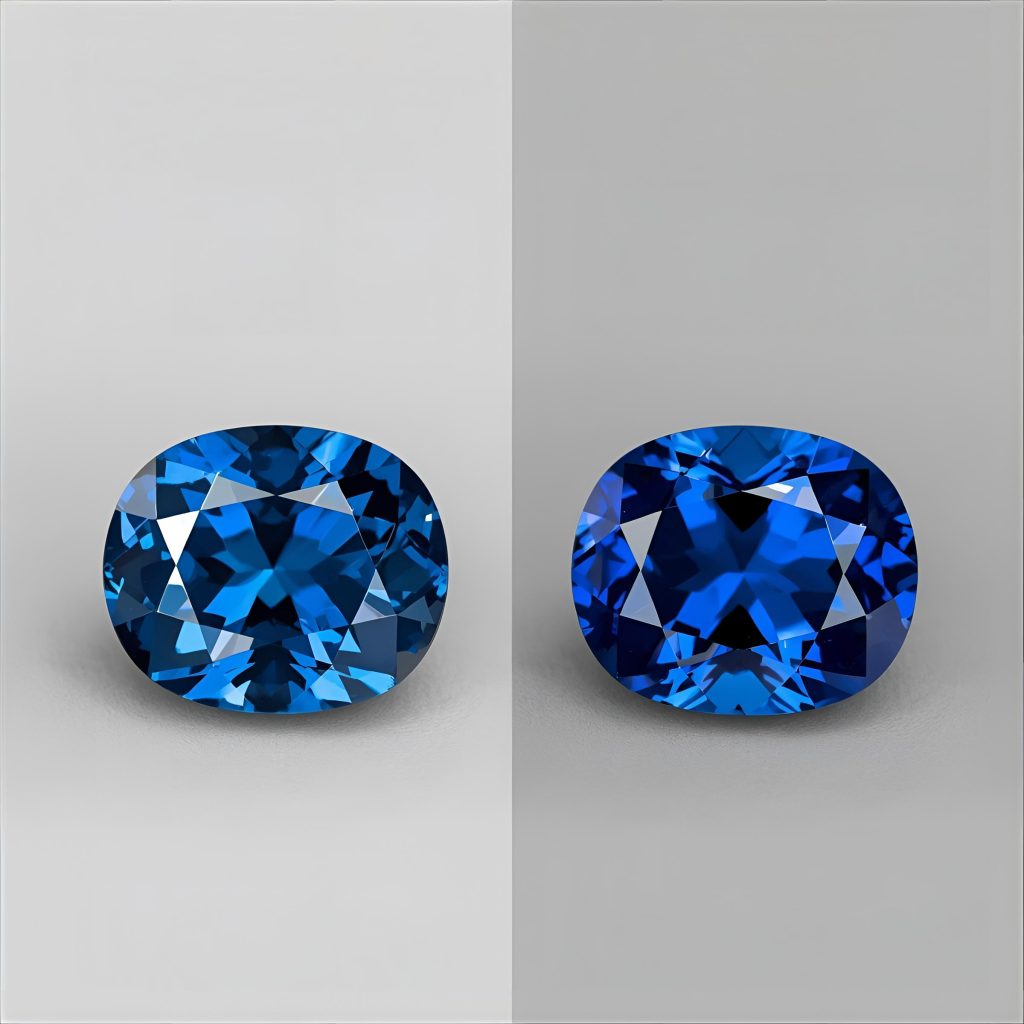
When buying loose sapphires, one of the most important factors to understand is whether the stone is treated or untreated.
What Does “Treated” Mean?
Gem treatments are processes applied to enhance a stone’s appearance, usually involving heat treatment or, in rarer cases, diffusion treatments.
-
- Heat Treatment: The most common form, used to improve color and clarity. It is permanent and widely accepted in the gemstone market.
-
- Diffusion Treatment: Introduces elements like beryllium to change a stone’s color. Less desirable because the treatment doesn’t penetrate deeply and affects long-term value.
Why Untreated Sapphires Are Rare
Untreated sapphires are stones that have not undergone any artificial enhancements. They are highly valued because they display the gem’s natural color and character, untouched by human intervention.
-
- Investment Quality: Untreated sapphires are considered the purest and most desirable by collectors.
-
- Price Premium: They can be 2–5 times more expensive than treated stones of similar appearance.
Buyer Considerations
-
- Always request a gemological certificate (e.g., GIA or AGL) when buying untreated sapphires to confirm authenticity.
-
- If budget is limited, treated sapphires offer excellent beauty at a lower price point.
Quick Comparison: Treated vs Untreated
| Feature | Treated Sapphires | Untreated Sapphires |
|---|---|---|
| Color & Clarity | Enhanced artificially | 100% natural |
| Market Value | More affordable | Higher investment value |
| Availability | Widely available | Rare and limited supply |
| Certificates Needed | Recommended but optional | Essential to prove authenticity |
Ceylon Sapphires – The Benchmark of Quality
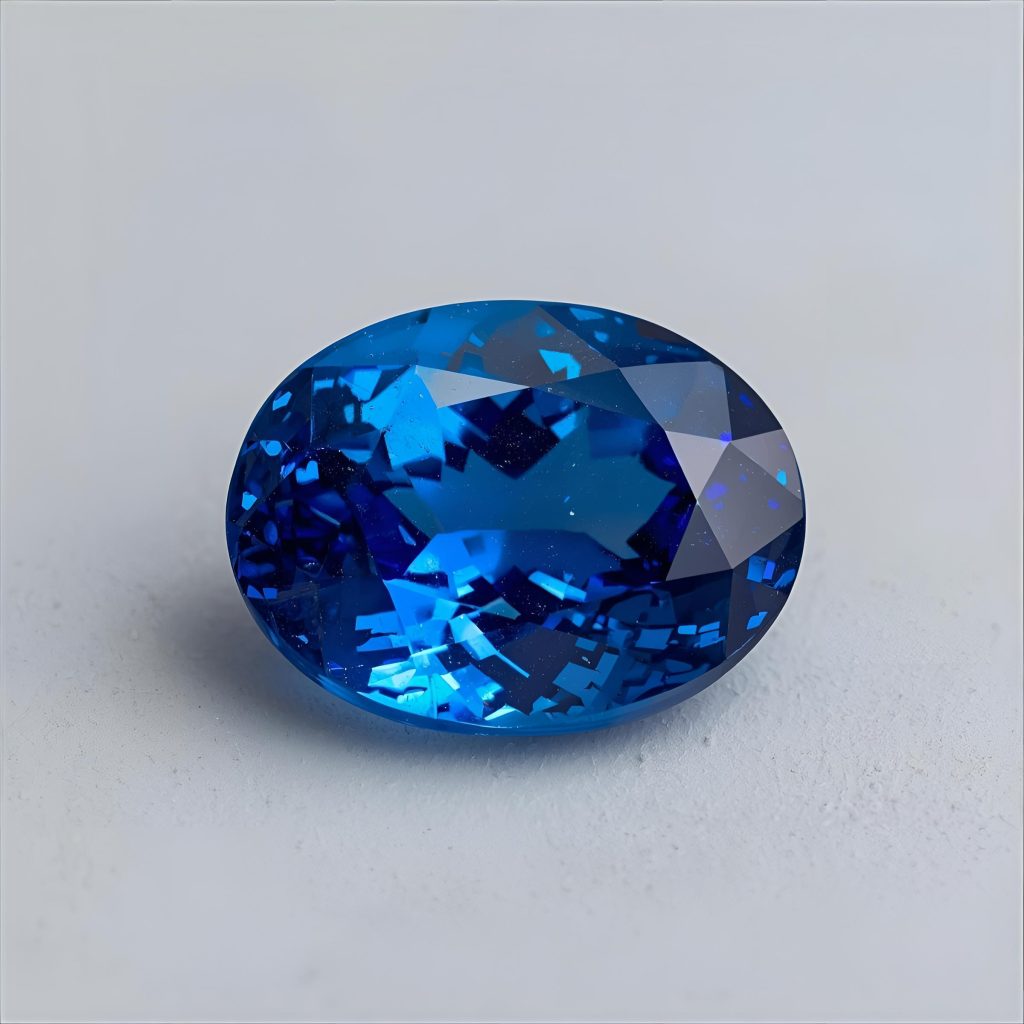
When discussing loose sapphires, it’s impossible not to highlight Ceylon sapphires, sourced from Sri Lanka. Sri Lanka has been a leading sapphire source for over 2,000 years, and its reputation in the gemstone market is unmatched.
Why Ceylon Sapphires Are Famous
-
- Brilliance and Clarity: Ceylon sapphires often display a higher level of transparency compared to stones from other regions.
-
- Color Range: While renowned for their vibrant blue shades, Ceylon sapphires also come in pink, yellow, green, and even rare padparadscha hues.
-
- Historical Prestige: Ancient trade routes made Sri Lankan sapphires famous among royalty and collectors across Europe and Asia.
Distinctive Features of Ceylon Blue Sapphires
-
- Brightness: They are lighter and more vivid compared to darker stones from places like Thailand.
-
- Cutting Tradition: Sri Lanka is home to skilled cutters who prioritize brilliance over weight retention.
-
- Global Demand: Many of the sapphires seen in high-end auction houses and royal collections trace back to Sri Lanka.
Certification and Authenticity
Because of their high demand, Ceylon sapphires are frequently imitated or misrepresented. Always ask for certificates from reputed labs such as:
-
- GIA (Gemological Institute of America)
-
- AGL (American Gemological Laboratories)
-
- Gübelin Gem Lab
Pricing of Loose Sapphires
Unlike diamonds, sapphires don’t have a universally accepted pricing chart. Their value depends on a variety of factors that interact in complex ways.
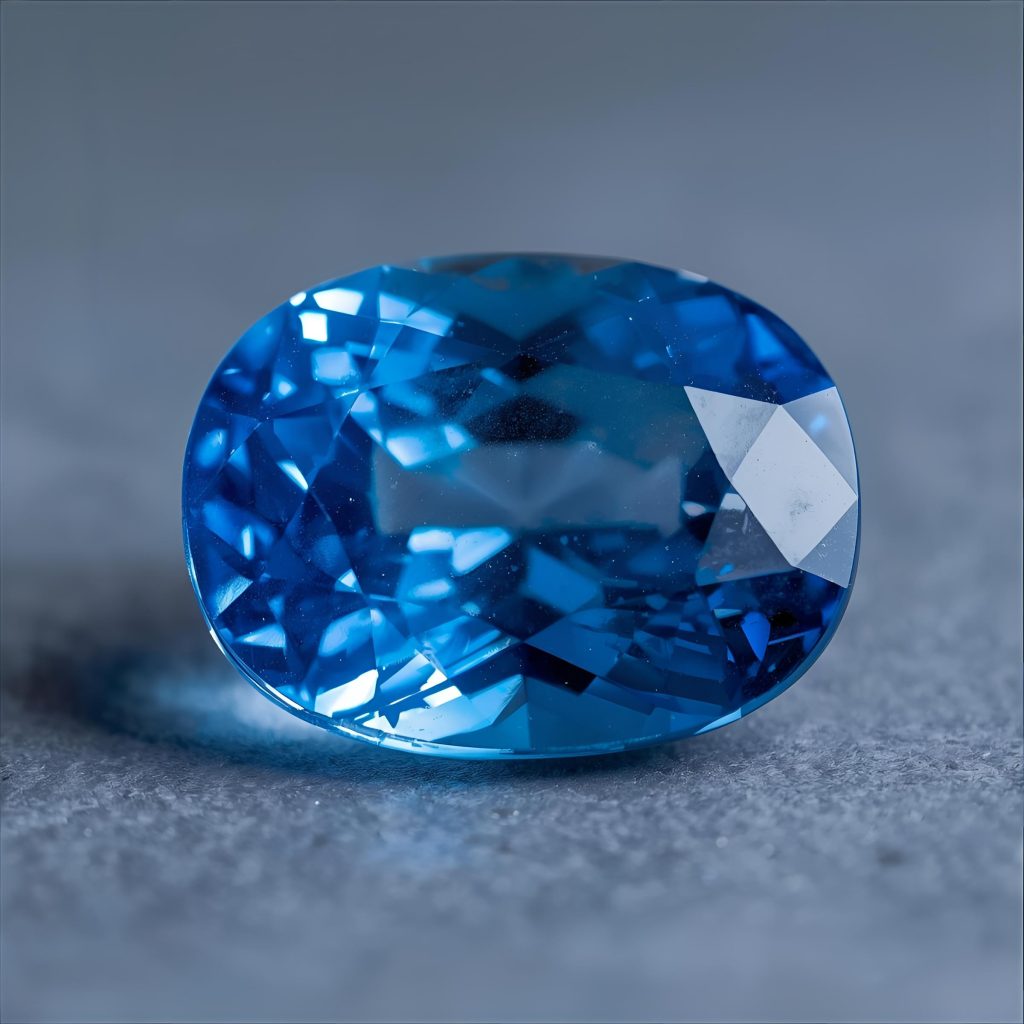
Factors Affecting Price
-
- Color
-
- The most critical factor.
-
- For blue sapphires, vivid royal blue or cornflower shades command the highest premiums.
-
- For pink, peach, and green sapphires, strong saturation and even color distribution are key.
-
- Color
-
- Clarity
-
- Sapphires often contain inclusions, but eye-clean stones are more valuable.
-
- Some inclusions, like silk, can enhance a stone’s luster and are tolerated in fine gems.
-
- Clarity
-
- Cut
-
- A well-cut sapphire reflects light evenly, enhancing brilliance.
-
- Poorly cut stones, even if large, may look dull and sell for less.
-
- Cut
-
- Carat Weight
-
- Larger sapphires are exponentially rarer.
-
- A 5-carat untreated sapphire can be worth 10x more per carat than a 1-carat stone of similar quality.
-
- Carat Weight
-
- Treatment Status
-
- Untreated sapphires fetch premium prices.
-
- Heated sapphires are still valuable, but diffusion-treated stones are considered less desirable.
-
- Treatment Status
-
- Origin
-
- Ceylon sapphires command higher values due to prestige.
-
- Kashmir sapphires (though very rare today) are the most expensive in history.
-
- Origin
Price Ranges by Sapphire Type
Blue Sapphires
-
- Commercial Quality (treated): $300–$800 per carat
-
- Good Quality Untreated: $1,000–$6,000 per carat
-
- Fine Ceylon or Cornflower: $8,000–$20,000+ per carat
Pink Sapphires
-
- Light Baby Pink: $500–$1,500 per carat
-
- Vivid Pink/Fuchsia: $2,500–$5,000 per carat
-
- Exceptional Stones: Over $7,000 per carat
Peach Sapphires
-
- Pastel/Light Peach: $300–$1,200 per carat
-
- Deep Peach/Rose Shades: $1,500–$3,500 per carat
-
- Collector-Quality: $4,000+ per carat (rare)
Teal & Blue-Green Sapphires
-
- Mixed Tones (heated): $400–$1,500 per carat
-
- Vivid, Untreated: $2,000–$4,000 per carat
-
- Top Stones (balanced teal): $5,000+ per carat
Green Sapphires
-
- Light Mint Green: $200–$600 per carat
-
- Strong Medium Green: $700–$1,800 per carat
-
- Fine Untreated Stones: $2,500–$3,500 per carat
Ceylon Sapphires (Premium Category)
-
- Commercial Ceylon Stones: $500–$1,200 per carat
-
- Fine Untreated Ceylon Blue: $4,000–$10,000 per carat
-
- Collector Stones (Royal Blue, Cornflower): $12,000–$25,000+ per carat
Market Trends
The global demand for sapphires has shifted in recent years:
-
- Rise of Alternative Colors: Peach, teal, and pink sapphires have become especially popular among younger buyers.
-
- Investment Demand: Untreated sapphires are increasingly seen as alternative investments, similar to fine art or gold.
-
- Online Buying Growth: E-commerce has made loose sapphires more accessible, but also increased the risk of misrepresented stones.
Buying Loose Sapphires Online
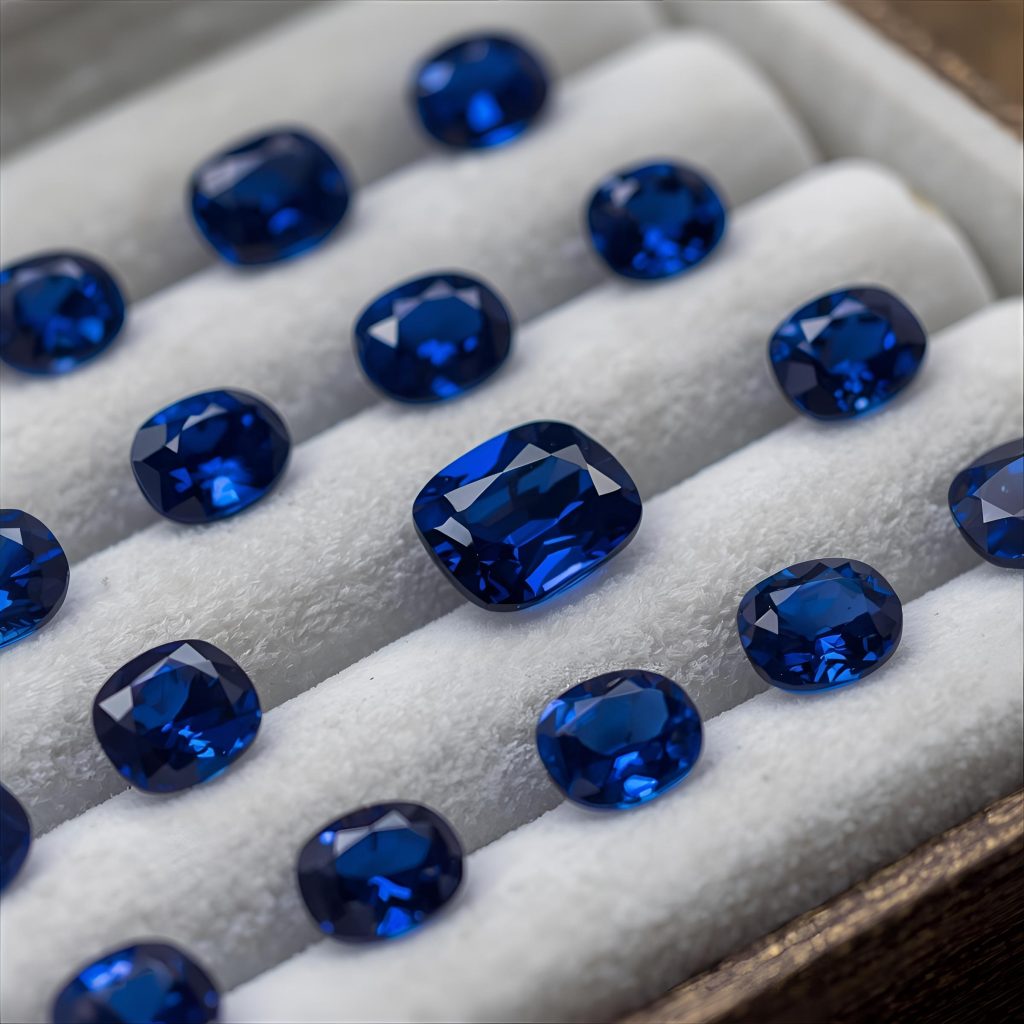
Purchasing sapphires online can feel overwhelming, especially given the number of sellers, marketplaces, and pricing differences. However, with careful research, buying loose sapphires through e-commerce platforms can be safe, rewarding, and even cost-effective.
Tips for Buying Online
-
- Always Demand Certification
-
- Buy only stones with certificates from respected gemological labs like GIA, AGL, or IGI.
-
- Certificates confirm authenticity, treatment status, and sometimes origin.
-
- Always Demand Certification
-
- Compare Multiple Sellers
-
- Prices vary widely. Comparing at least 3–5 reputable sellers ensures you don’t overpay.
-
- Compare Multiple Sellers
-
- Check Return Policies
-
- A genuine seller will allow returns if the stone doesn’t match expectations.
-
- Check Return Policies
-
- Look for Transparency
-
- Professional sellers disclose whether stones are heated, diffused, or untreated.
-
- Look for Transparency
-
- Avoid “Too Good to Be True” Deals
-
- If the price is far below market value, the sapphire may be synthetic or heavily treated.
-
- Avoid “Too Good to Be True” Deals
Caring for Loose Sapphires
Sapphires are durable stones (Mohs hardness 9), but proper care extends their life and brilliance.
-
- Cleaning: Use warm soapy water and a soft brush. Avoid harsh chemicals.
-
- Storage: Store separately in a soft pouch to avoid scratches from diamonds or other sapphires.
-
- Avoid Extreme Heat: Heat exposure may affect treated stones.
-
- Regular Inspection: If set in jewelry later, check prongs and mounts every year to avoid loosening.
FAQs About Loose Sapphires
1. Are loose sapphires a good investment?
Yes, especially untreated sapphires. Their rarity makes them hold or increase value over time. Blue Ceylon sapphires and cornflower sapphires are considered the most stable investments.
2. How do I know if a sapphire is real?
Ask for certification and inspect under magnification. Real sapphires usually show inclusions, while synthetics often appear flawless.
3. What is the difference between treated and untreated sapphires?
Treated sapphires are heat-enhanced for color and clarity. Untreated stones are natural and more valuable due to rarity.
4. Which color sapphire is the most expensive?
Historically, Kashmir blue sapphires are the most expensive. Among currently available stones, cornflower blue and vivid royal blue Ceylon sapphires hold the highest value.
5. Are pink and peach sapphires valuable?
Yes. Demand has grown significantly, especially for engagement rings. Their softer hues make them trendy alternatives to diamonds.
6. Do sapphires scratch easily?
No. At Mohs hardness 9, they are second only to diamonds in durability, making them excellent for daily wear.
7. Can sapphires change color?
Yes, some sapphires (like teal or blue-green) exhibit color shifts under different lighting, which increases their uniqueness and appeal.
8. Is it safe to buy sapphires online?
Yes—if you buy from certified sellers with clear policies. Avoid uncertified or vague listings.
9. What is the price of a 1-carat sapphire?
Prices vary widely:
-
- Commercial treated stones: $300–$600
-
- Fine Ceylon blue: $1,500–$6,000
-
- Exceptional untreated stones: $10,000+
10. Which countries produce the best sapphires?
-
- Sri Lanka (Ceylon)
-
- Madagascar
-
- Myanmar (Burma)
-
- Australia
-
- Montana (USA)
11. Are green sapphires rare?
Yes, though less famous than blues, green sapphires are relatively uncommon and are now increasing in demand.
12. How do sapphires compare to diamonds?
Diamonds are prized for brilliance, while sapphires are valued for rarity of color. Sapphires are more affordable yet equally durable, making them a strong alternative.
Conclusion
Loose sapphires represent the purest form of gemstone ownership, offering transparency, investment potential, and complete customization. Whether you’re drawn to the prestige of Ceylon blue sapphires, the romance of pink sapphires, the modern charm of teal and blue-green stones, or the affordability of green sapphires, each variety has something unique to offer.
By understanding treatments, pricing factors, and origins, you can make informed choices that align with your budget and goals. With online platforms making sapphires more accessible than ever, the opportunity to own a fine loose sapphire is no longer limited to gem collectors or royalty.
Investing in knowledge is just as important as investing in gemstones. With the right guidance, your loose sapphire can be both a timeless treasure and a lasting asset.