
The Enchanting Glow of Paraiba Tourmaline: Nature’s Neon Treasure
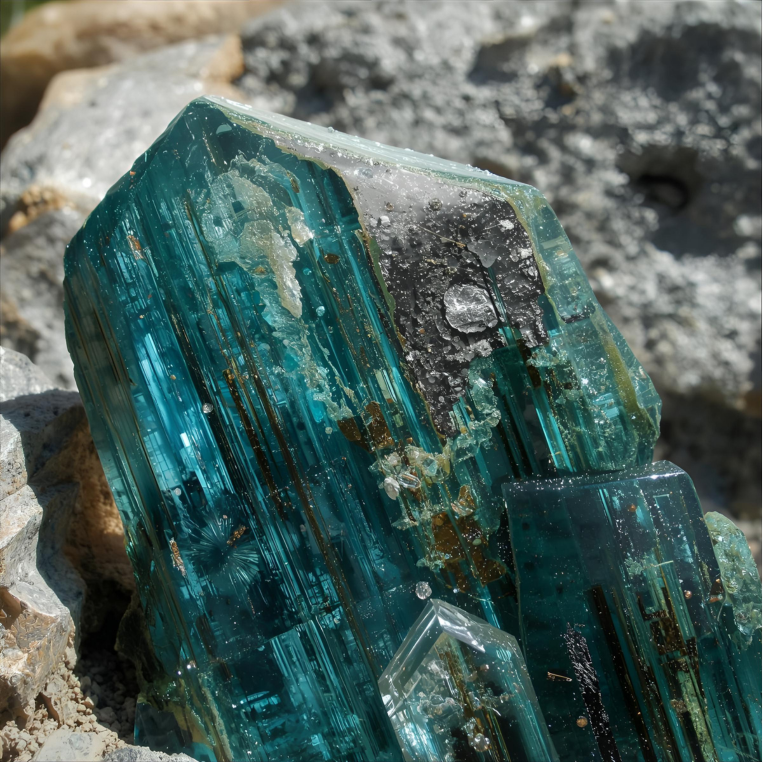
Few gems have captured the imagination of collectors quite like Paraiba Tourmaline. With its electric blue-green fire, this stone looks as if it carries lightning within — a color so vivid it seems unreal. Since its discovery in the late 1980s in Paraíba, Brazil, this rare gem has redefined what “blue” can mean in jewelry.
What Makes Paraiba Tourmaline Unique
The secret behind its magical hue lies in trace amounts of copper and manganese, elements that give the stone its legendary neon glow. Unlike any other tourmaline variety, the Paraiba’s light seems to come from inside — a quality gemologists call “internal luminosity.”
Even under dim light, a fine Paraiba Tourmaline glows with turquoise, electric blue, or vivid sea-green brilliance that rivals the sparkle of top-grade sapphires.
From Brazilian Mines to Global Fame
Originally discovered in São José da Batalha, Brazil, the Brazilian Paraiba Tourmaline was so rare that each carat sold for more than a diamond. Later deposits found in Mozambique and Nigeria shared the same copper-bearing composition, expanding supply but never diminishing its prestige.
Today, the best stones — particularly the “neon electric blue” Paraibas from Brazil — remain among the most coveted gemstones in the world.
Symbolism and Spiritual Meaning
Beyond its beauty, Paraiba Tourmaline is believed to carry the energy of joy, creativity, and emotional healing. In metaphysical circles, it’s known as a stone of inspiration, connecting the wearer with calm oceans and higher awareness.
Its vibrant blue reminds us of freedom, clarity, and emotional renewal — perfect for those seeking positivity and new beginnings.
Why Collectors Love It
- Unmatched Rarity: True copper-bearing Paraibas are among the rarest gemstones on Earth.
- Investment Value: Prices continue to climb, especially for certified Brazilian origins.
- Visual Impact: Its neon glow outshines most colored stones even under low light.
Paraiba Tourmaline isn’t just a gemstone — it’s a living flame of color, a miracle of nature that bridges science and magic.
From Brazil to Mozambique: The Origins and Mining Story of Paraiba Tourmaline
When gem experts talk about rarity, few stories rival that of Paraiba Tourmaline origin. Every dazzling neon-blue gem seen in fine jewelry today has a fascinating journey that begins deep within the Earth — from the tropical landscapes of Brazil, to the mineral-rich soils of Mozambique and Nigeria.
🌍 The Birthplace: Brazilian Paraiba Tourmaline
The tale starts in the late 1980s, when a gem prospector named Heitor Barbosa discovered an unusually vibrant blue tourmaline in the hills of Paraíba, Brazil. These stones were unlike anything the gem world had ever seen — glowing with an electric turquoise hue that seemed to radiate light.
This unique glow was soon attributed to trace elements of copper, leading to the term “copper-bearing Paraiba Tourmaline.”
Brazilian Paraiba Tourmaline quickly became the benchmark for luxury gemstones, with prices often exceeding those of diamonds or emeralds per carat. Because the mines were small and production limited, the supply dwindled rapidly, making Brazilian Paraibas some of the most collectible gemstones ever found.
🌍 Mozambique Paraiba Tourmaline – Expanding the Legacy
In the early 2000s, gemologists discovered similar copper-bearing deposits in Mozambique. These Mozambique Paraiba Tourmalines shared the same chemical fingerprint — copper and manganese — and the same neon fire that defined the Brazilian gems.
While Brazilian Paraiba Tourmaline is often slightly more intense in color, the Mozambique Paraiba Tourmaline is known for producing larger crystals, offering collectors beautiful stones with remarkable clarity and size.
Experts today often classify both as Paraiba Tourmaline gemstones, provided they contain copper and manganese, regardless of origin.
🌍 Nigeria’s Contribution to the Paraiba Story
Nigerian Paraiba Tourmaline mines also added to the global supply, though production remains limited. These gems tend to show more green-blue tones than pure neon blue, but they still carry the unmistakable copper-bearing brilliance that defines this family of stones.
Collectors often seek Nigerian varieties for their unique hues and affordable pricing compared to Brazilian stones.
⚒️ Mining Challenges and Sustainability
Extracting Paraiba Tourmaline is no small feat. The Paraiba Tourmaline mining process involves delicate manual labor to preserve the fragile crystals within narrow pegmatite veins. Because the deposits are small and deep, production is limited and irregular, increasing the stone’s value and mystique.
In 2025, sustainability and ethical sourcing have become essential factors for gemstone buyers. Reputable sources like Timeless Gem Shop ensure that every natural Paraiba Tourmaline is ethically mined and certified, allowing buyers to invest confidently in a gemstone that reflects both beauty and responsibility.
💠 Comparing Global Origins
| Origin | Color Characteristics | Rarity | Market Value (2025) |
|---|---|---|---|
| Brazil | Intense neon turquoise-blue | Extremely Rare | $$$$$ |
| Mozambique | Slightly deeper blue-green, clean stones | High | $$$$ |
| Nigeria | Greenish-blue tones, limited supply | Moderate | $$$ |
✨ Paraiba Tourmaline Identification Tips
When identifying genuine Paraiba Tourmaline, gemologists look for:
- Copper-bearing composition (tested via spectroscopy)
- High refractive index and bright internal glow
- Distinct color saturation — often described as “swimming-pool blue”
- Certificates from labs such as GIA or IGI, verifying origin and authenticity
Authentic Paraiba Tourmaline glows vividly under even soft light — a phenomenon unmatched by synthetic or imitation stones.
Understanding Paraiba Tourmaline’s Unique Color, Clarity & Cut: What Defines True Quality
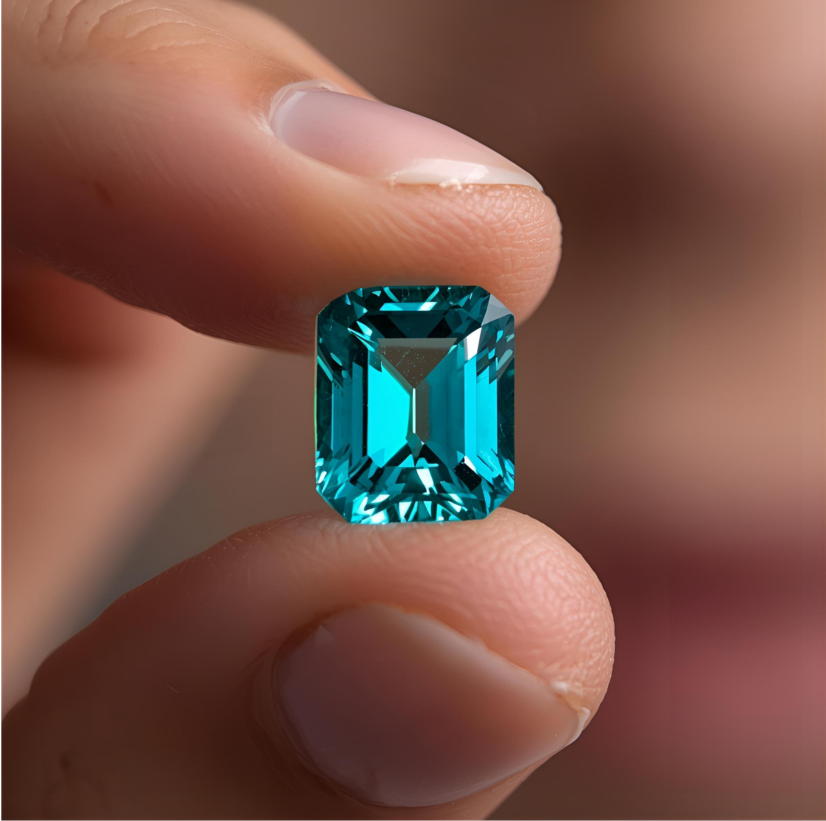
When you see a Paraiba Tourmaline for the first time, it almost seems to glow from within — as if it holds a piece of lightning inside. That electric brilliance isn’t magic (though it feels like it); it’s science and rarity combined. In this section, we’ll explore what defines Paraiba Tourmaline quality, focusing on color, clarity, and cut, and how to recognize a truly top-tier gem before you buy.
💙 Color: The Heart of Paraiba’s Magic
The most striking feature of any Paraiba Tourmaline gemstone is its color — a vivid, neon-like blue that looks as if it’s lit by its own light source.
The secret lies in the trace elements of copper (Cu) and manganese (Mn), which interact to create that electric turquoise-to-blue-green spectrum.
Here’s how experts grade Paraiba colors:
| Shade | Description | Value |
|---|---|---|
| Neon Blue / Electric Blue | Intense, glowing blue with a bright inner light | 💎💎💎💎💎 (Highest) |
| Blue-Green / Turquoise | Balanced tone, radiant but softer glow | 💎💎💎💎 |
| Greenish-Blue / Aqua | Slightly more green tones, still vibrant | 💎💎💎 |
| Light Blue / Pastel | Pale tone, less intense but elegant | 💎💎 |
The rarer the neon intensity, the more valuable the stone. Even small Paraiba gems (under 1 carat) can command thousands of dollars if the color saturation is exceptional.
🔍 Clarity: Transparency with Character
Unlike diamonds, Paraiba Tourmaline clarity is not the top priority — because inclusions are often natural indicators of authenticity.
These stones are formed in small pockets of pegmatite, and internal “fingerprints” (such as needle-like or fluid inclusions) are common.
Still, gem collectors favor stones that appear eye-clean, meaning inclusions aren’t visible to the naked eye. Mozambique Paraibas are often clearer, while Brazilian varieties may carry more inclusions but stronger color.
💠 Expert Tip: Choose stones where color and glow dominate over clarity. The brilliance should catch your eye instantly — that’s a sign of a high-quality Paraiba Tourmaline.
💎 Cut: Unlocking the Inner Light
The cut determines how well a Paraiba Tourmaline plays with light. Skilled lapidaries maximize brilliance by considering both the depth of color and transparency.
Common cuts include:
- Oval & Pear: Highlight brilliance and preserve carat weight
- Cushion & Round: Enhance sparkle with balanced symmetry
- Emerald Cut: Ideal for larger, clean stones that show off depth
- Cabochon: Used for slightly included stones with luminous glow
Timeless Gem Shop, known for authentic Paraiba Tourmaline jewelry, only offers stones that have been expertly cut to amplify their natural neon fire — ensuring each gem radiates brilliance from every angle.
💠 Carat Weight vs. Rarity
Large Paraiba Tourmaline gemstones (above 3 carats) are exceptionally rare, especially from Brazil. Because color intensity matters more than size, a 1-carat vivid neon Paraiba may be worth more than a 3-carat pale one.
In 2025, top-quality Paraiba Tourmaline price per carat continues to rise sharply, with the best stones fetching $10,000–$30,000 per carat or more depending on origin and saturation.
🧪 Professional Grading & Certification
Always look for lab reports from recognized authorities such as:
- GIA (Gemological Institute of America)
- IGI (International Gemological Institute)
- GRS or Gubelin
These certificates confirm the gem’s natural origin, copper-bearing composition, and authenticity — helping buyers confidently distinguish between natural Paraibas and imitation blue tourmalines.
Understanding Paraiba Tourmaline Pricing in 2025
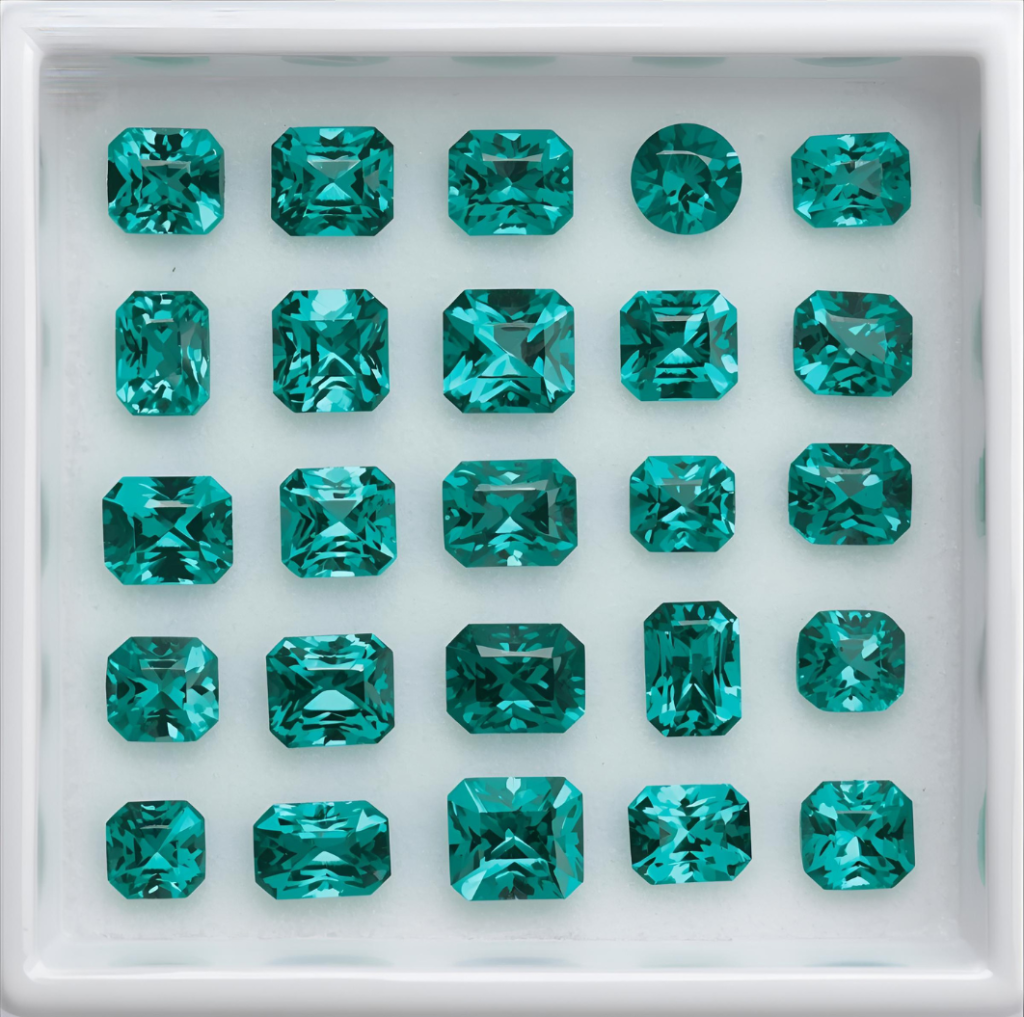
Paraiba Tourmaline is one of the most valuable and rare gemstones in the world, celebrated for its electric neon blue-to-green hues caused by copper and manganese traces. Unlike ordinary tourmalines, Paraiba’s inner glow — almost as if lit from within — makes it a collector’s dream and a long-term investment.
In 2025, the price per carat of Paraiba Tourmaline continues to climb as natural sources in Brazil, Mozambique, and Nigeria become increasingly limited. Collectors and jewelers now seek certified stones from trusted sellers like Timeless Gem Shop, where authenticity and traceable sourcing are guaranteed.
💠 Paraiba Tourmaline Price per Carat (2025 Market Overview)
| Quality Type | Origin | Color Intensity | Clarity | Approx. Price per Carat (USD) |
|---|---|---|---|---|
| Fine | Brazil | Neon Blue-Green | Eye-Clean | $15,000 – $60,000 |
| High | Mozambique | Vivid Blue | Slight Inclusions | $5,000 – $15,000 |
| Medium | Nigeria | Blue-Green | Visible Inclusions | $1,500 – $5,000 |
| Commercial | Mixed Origins | Light Blue/Green | Included | $500 – $1,200 |
💡 Note: Stones larger than 5 carats from Brazil can exceed $100,000 per carat, making them some of the most expensive gems per unit weight globally.
🧪 Factors That Influence Paraiba Tourmaline Prices
1. Color Intensity and Hue
The most sought-after Paraiba Tourmalines are neon blue, turquoise, or greenish-blue, glowing even under low light.
This vivid tone is what defines the “Paraiba effect.” Stones with pure electric-blue color command the highest value.
2. Copper and Manganese Content
These trace elements give Paraiba its unique luminous glow. Copper-bearing Paraiba Tourmaline (keyword) from Brazil and Mozambique is far rarer — and far pricier — than traditional tourmalines.
3. Clarity and Transparency
While some inclusions are natural and acceptable, eye-clean stones are prized for jewelry and high-end collectors. Paraibas with milky zones or fractures drop in value.
4. Cut and Shape
The brilliance of Paraiba Tourmaline depends heavily on the cut. Expertly faceted gems reveal more color saturation and glow.
At Timeless Gem Shop, each Paraiba is precision-cut to enhance its neon depth and optical fire.
5. Carat Weight
Large, clean stones above 3–5 carats are exceptionally rare.
Even a small 1-carat neon-blue Paraiba can outperform a 5-carat sapphire in price.
6. Origin and Certification
Paraiba Tourmalines from Paraíba, Brazil remain the most desirable due to their vivid colors and limited supply. Stones from Mozambique and Nigeria offer similar beauty at slightly lower prices.
Always request a gemological report confirming copper-bearing content to verify authenticity.
💼 Investing in Paraiba Tourmaline: A Smart 2025 Strategy
Collectors and investors see Paraiba Tourmaline as a long-term appreciating asset. With new mining restrictions and depleted Brazilian deposits, the global supply continues to shrink.
This makes each certified piece from Timeless Gem Shop not just a luxury purchase but a strategic investment.
🔹 Investment Tips:
- Always choose certified stones with copper-bearing verification.
- Avoid overly cheap listings — they’re often treated or synthetic.
- Focus on neon-blue stones under 3 carats; these have strong resale demand.
- Keep documentation for future valuation and insurance.
🔍 Paraiba Tourmaline Certification: How to Verify Authenticity
Genuine Paraiba Tourmaline must include a laboratory report from a recognized institution (e.g., GIA, SSEF, or IGI) clearly stating:
- Copper (Cu) presence confirmed
- Natural origin
- Untreated or minor heated
- Country of origin (Brazil, Mozambique, or Nigeria)
At Timeless Gem Shop, every Paraiba gemstone includes independent lab certification and detailed microscopic analysis for peace of mind.
🌟 Paraiba Tourmaline Price Trend (2020–2025)
| Year | Avg. Price per Carat (Fine Quality) | Market Trend |
|---|---|---|
| 2020 | $8,000 | Moderate growth |
| 2021 | $10,500 | High demand |
| 2022 | $12,000 | Supply tightening |
| 2023 | $15,000 | Rising investment interest |
| 2024 | $18,500 | Rarity-driven surge |
| 2025 | $22,000+ | Record high prices |
Experts predict continued appreciation, particularly for Brazilian and Mozambique-origin stones with verified copper content.
Why Identifying Real Paraiba Tourmaline Matters
The beauty and price of Paraiba Tourmaline have made it one of the most imitated gemstones in today’s market. With prices reaching over $20,000 per carat, it’s no surprise that synthetic, treated, or misrepresented stones are common.
However, a trained eye — and proper certification — can easily distinguish authentic Paraiba Tourmaline from imitation stones. At Timeless Gem Shop, every gem undergoes a strict gemological identification process, verified by global laboratories.
🔬 1. Visual Identification: Color, Glow & Structure
The neon blue-to-green glow of a genuine Paraiba Tourmaline is unmistakable.
Under natural light, it appears as if lit from within, thanks to its copper-bearing trace elements.
✅ Real Paraiba Tourmaline Characteristics:
- Color: Vivid neon blue, turquoise, or green-blue (never dull or overly saturated).
- Glow: Bright internal luminosity even in low light.
- Transparency: High to moderate, with few inclusions.
- Cut: Often precision faceted to enhance brilliance.
⚠️ Fake or Treated Stones Often Show:
- Flat color under white light (no inner glow).
- Artificial coatings or dyes.
- Quartz or topaz imitations with color infusion.
- Mislabeling as “Paraiba” without copper content.
🧪 2. Paraiba Tourmaline Identification Tests
Gemologists use scientific methods to confirm a stone’s authenticity.
These tests identify the chemical composition, trace elements, and origin.
🔹 Copper and Manganese Detection
The hallmark of genuine Paraiba is its copper-bearing content.
Using Energy Dispersive Spectroscopy (EDS) or Laser Ablation ICP-MS, laboratories detect copper (Cu) and manganese (Mn) — confirming true Paraiba status.
🔹 Spectroscopy
Paraiba Tourmaline exhibits distinct absorption lines caused by copper.
This test helps differentiate Paraiba Tourmaline vs Blue Tourmaline (indicolite), which lacks the same copper signature.
🔹 UV Fluorescence
Many Paraiba Tourmalines show moderate greenish-blue fluorescence under UV light, adding another authentication layer.
📜 3. Certification: The Heart of Trust
A Paraiba Tourmaline certificate from a recognized gem lab is your best assurance of authenticity.
When purchasing high-value gems, buyers should always demand a lab report confirming copper presence and natural origin.
Trusted Laboratories Include:
- GIA (Gemological Institute of America)
- SSEF (Swiss Gemological Institute)
- Gübelin Gem Lab
- IGI (International Gemological Institute)
- GIE Labs
Each Timeless Gem Shop Paraiba comes with a certified gem report from one of these labs, detailing:
- Origin (Brazil, Mozambique, or Nigeria)
- Copper-bearing status
- Treatment detection
- Color and clarity grading
- Gem identification number
💡 Tip: Always cross-check the certificate number directly on the lab’s website (e.g., GIA Report Check) for verification.
🧭 4. Paraiba Tourmaline Identification by Origin
The origin greatly affects the stone’s market value and visual traits.
| Origin | Color Range | Copper Content | Price Tier | Notes |
|---|---|---|---|---|
| Brazil (Paraíba State) | Electric Neon Blue | Very High | $$$$$ | Most valuable & rare |
| Mozambique | Blue-Green to Neon Blue | High | $$$ | Excellent clarity & size |
| Nigeria | Greenish Blue | Moderate | $$ | Affordable but less vivid |
Knowing whether your stone is Brazilian Paraiba Tourmaline or Mozambique Paraiba Tourmaline can explain large price differences — both natural, but with distinct appearances.
🔍 5. Common Treatments & How to Detect Them
Some Paraibas are lightly heated to improve color, but unheated stones are far more prized.
A paraiba tourmaline unheated certificate increases value significantly.
🔸 Common Enhancements:
- Heat Treatment: Intensifies color but stable and accepted.
- Fracture Filling: Rare, reduces value.
- Surface Coating or Dyeing: Fake stones — avoid at all costs.
At Timeless Gem Shop, every paraiba tourmaline for sale is tested for treatments, ensuring buyers receive untreated or naturally enhanced stones only.
🚫 6. How to Spot Fake Paraiba Tourmaline (Step-by-Step)
- Check the Glow: Real Paraibas glow even in dim light.
- Ask for a Lab Certificate: No paperwork = big red flag.
- Avoid Unreal Prices: If it’s too cheap, it’s not real.
- Inspect Inclusions: Natural stones may show “feather-like” inclusions, not bubbles.
- Ask About Copper: Only copper-bearing stones are true Paraibas.
- Buy from Trusted Sellers: Reputable dealers like Timeless Gem Shop provide authenticity proof and lifetime support.
🧠 7. Paraiba Tourmaline Lab Reports: GIA and Beyond
The GIA Paraiba Tourmaline lab report remains the global gold standard. It confirms:
- The gem is natural tourmaline.
- Copper content detected.
- Country of origin identified.
- Heat treatment analysis completed.
Other reputable certificates include SSEF Paraiba Tourmaline reports and Gübelin Paraiba gem reports, which are accepted internationally by collectors, auctions, and insurance companies.
💬 8. Buyer Awareness: Don’t Be Fooled by Labels
Some sellers misuse the word “Paraiba” to describe any blue tourmaline, even if it lacks copper.
Only stones containing copper and showing the iconic neon glow are legally recognized as Paraiba Tourmaline.
Ask for a Paraiba Tourmaline identification guide PDF or digital report before purchase.
🧾 9. Timeless Gem Shop Guarantee
At Timeless Gem Shop, every Paraiba Tourmaline loose gem or jewelry piece is:
- Certified authentic (copper-bearing)
- Ethically sourced from Mozambique or Brazil
- Inspected by independent gemologists
- Shipped with full insurance and documentation
Your gem comes with lifetime authenticity assurance and future trade-in options for collectors.
e late 1980s, a Brazilian miner named Heitor Dimas Barbosa began digging through the rugged hills of Paraíba State, Brazil, guided only by his dream of finding something new.
After years of persistence, he unearthed a stone that would change gemology forever — a gemstone so vibrant, so neon, it seemed to carry its own light.
That discovery introduced the world to Paraiba Tourmaline, a copper-bearing variety of tourmaline that redefined what “blue” could look like in nature.
🇧🇷 1. Brazilian Paraiba Tourmaline — The Birthplace of Neon Blue Magic
Brazilian Paraiba Tourmaline remains the most valuable and rarest source, found mainly in the Batalha Mine and nearby deposits in Paraíba and Rio Grande do Norte.
🔹 Characteristics:
- Intense electric neon blue or turquoise hue.
- High copper (Cu) and manganese (Mn) content.
- Smaller sizes but exceptional saturation and glow.
- Often referred to as “original Paraiba” in collector circles.
Due to limited production, Brazilian stones are extremely scarce — often less than a few kilograms mined per year. Each gem’s provenance certificate significantly increases its value and collector appeal.
🌍 2. Mozambique Paraiba Tourmaline — The Modern Source of Supply
In the early 2000s, significant new deposits were found in Mozambique.
These stones share the same copper-bearing chemistry but offer larger sizes and cleaner clarity.
🔹 Traits of Mozambique Paraiba Tourmaline:
- Blue-green to neon turquoise color range.
- Exceptional clarity and crystal transparency.
- Available in both faceted and rough stones.
- More affordable compared to Brazilian origin but still highly valuable.
Because of this, Mozambique Paraiba Tourmaline dominates the global market today, striking the perfect balance between beauty, rarity, and availability.
At Timeless Gem Shop, many of our finest neon Paraiba loose gems come directly from Mozambican ethical mines with full documentation.
🇳🇬 3. Nigerian Paraiba Tourmaline — A Rare Hybrid Discovery
Nigeria briefly produced Paraiba-like tourmalines with similar copper traces.
While not as neon as Brazilian stones, they hold their own unique charm — a softer sea-green glow with better carat availability.
Nigerian stones are ideal for those who seek natural copper-bearing beauty at moderate prices.
⛏️ 4. Paraiba Tourmaline Mining History and Challenges
Mining Paraiba Tourmaline is a demanding process.
The crystals form deep in pegmatite veins, and extracting them without damage requires both skill and patience.
In Brazil, mining is mostly artisanal and small-scale, performed manually using basic tools.
In Mozambique, more modern, semi-mechanized mines operate under strict environmental and labor laws to ensure ethical production.
However, limited deposits and rising demand mean that Paraiba remains one of the world’s most limited-supply gemstones — often sold before extraction even finishes.
🌱 5. Ethical Sourcing and Sustainability
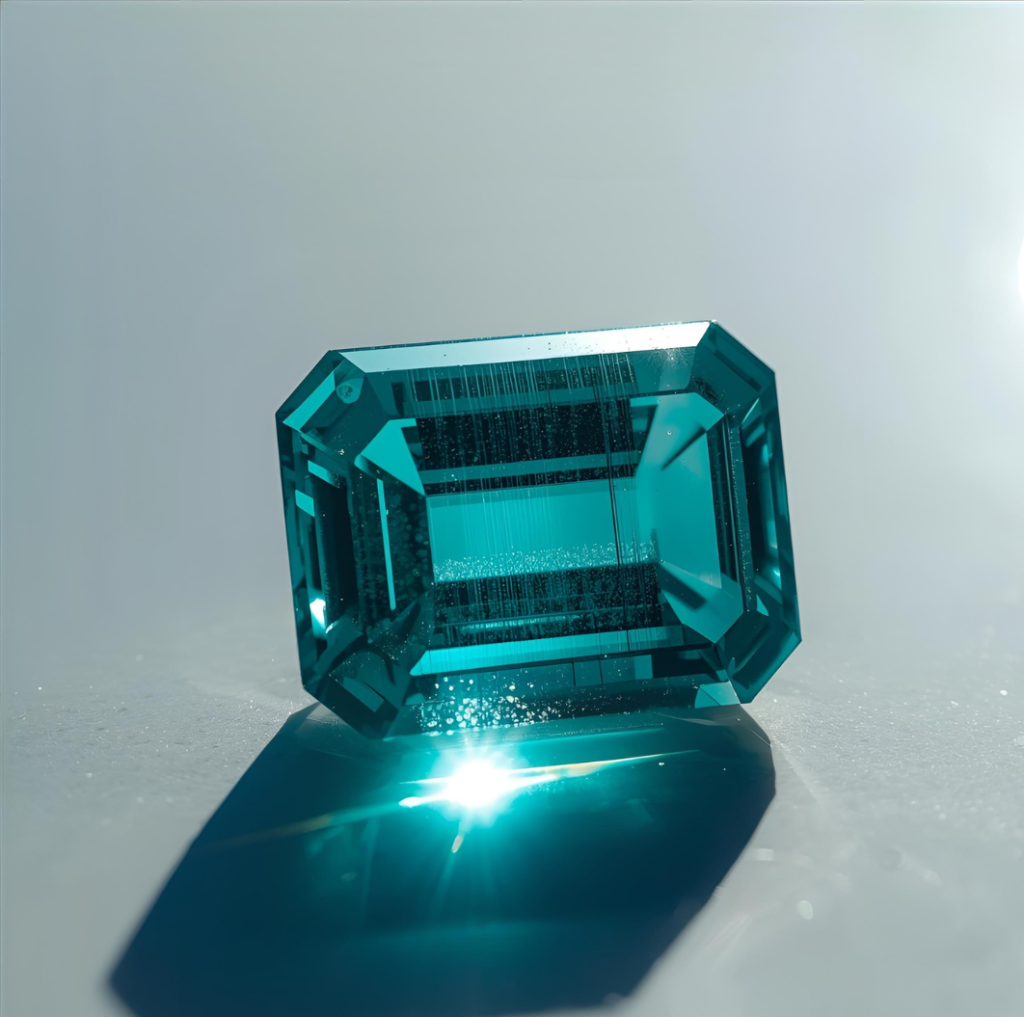
At Timeless Gem Shop, we strongly believe in the ethical journey of gemstones — from mine to market.
All our Paraiba Tourmalines are sourced under transparent conditions, with respect for:
- Fair wages for miners and local communities
- Environmental restoration programs post-mining
- Traceable supply chains verified by gemological certificates
When you purchase from us, you receive a gem that is not only authentic and certified but also responsibly sourced — contributing to sustainable trade and ethical mining families.
♻️ Sustainable Practices Include:
- Reducing waste from pegmatite mining.
- Water recycling systems in Mozambique operations.
- Reforestation of old mining zones.
- Supporting local gem cutters and artisans.
These efforts align with global sustainability goals, ensuring that every neon Paraiba gem represents both beauty and integrity.
🔗 6. The Importance of Provenance
Every Paraiba Tourmaline has a story — and its origin certificate is that story written in gemological language.
Provenance documents from labs like GIA, Gübelin, or SSEF confirm not only the copper-bearing composition but also the geographic source — Brazil, Mozambique, or Nigeria.
At Timeless Gem Shop, each Paraiba gemstone for sale is accompanied by:
- Origin verification (provenance)
- Treatment analysis
- Photographic record of rough material before cutting
This ensures buyers receive complete transparency and a gem with verifiable heritage.
⚒️ 7. Direct from the Mines — Timeless Gem Shop’s Exclusive Advantage
Unlike many resellers, Timeless Gem Shop works directly with trusted miners and suppliers in Mozambique and Brazil.
This direct connection allows us to:
- Access rare Paraiba Tourmaline parcels before they reach auctions.
- Offer competitive prices per carat without middlemen.
- Guarantee authentic and copper-bearing material verified by labs.
Whether you’re a collector, jeweler, or gemstone investor, our direct-from-mine sourcing model ensures premium quality and ethical assurance.
💠 8. Why Origin Impacts Value
| Origin | Typical Color | Rarity | Average Price per Carat (2025) |
|---|---|---|---|
| Brazil (Paraíba) | Electric Neon Blue | Ultra Rare | $15,000 – $30,000+ |
| Mozambique | Bright Blue-Green | High | $5,000 – $12,000 |
| Nigeria | Greenish Blue | Moderate | $2,000 – $5,000 |
💡 Pro Tip: Always confirm the Paraiba Tourmaline origin through a certificate — this directly influences both resale value and collector desirability.
🕊️ 9. Paraiba Tourmaline and Ethical Beauty
Owning a Paraiba Tourmaline is not just about its radiant neon color — it’s about holding a piece of Earth’s pure energy, mined with care and consciousness.
When you choose a certified stone from Timeless Gem Shop, you’re investing in a gemstone with integrity, sourced responsibly and designed to last generations.
Understanding Paraiba Tourmaline Market Value (2025 Overview)
Paraiba Tourmaline stands among the world’s most valuable colored gemstones, often compared with fine Kashmir sapphires, Burmese rubies, and Colombian emeralds in terms of rarity and prestige.
The 2025 market reflects continued global demand driven by collectors, high-end jewelers, and gem investors seeking tangible assets that hold or appreciate in value.
At Timeless Gem Shop, we’ve seen prices rise steadily year-over-year due to limited new production and increasing awareness of its neon glow and ethical origin.
💠 1. Current Paraiba Tourmaline Price Per Carat (2025 Update)
| Quality Grade | Origin | Color Hue | Clarity | Average Price (USD per Carat) |
|---|---|---|---|---|
| Exceptional (Investment Grade) | Brazil | Electric Neon Blue | Eye-Clean | $15,000 – $30,000+ |
| High-Quality | Mozambique | Bright Blue to Greenish Blue | Slightly Included | $5,000 – $12,000 |
| Fine Commercial | Nigeria | Blue-Green | Slightly Included | $2,000 – $5,000 |
| Smaller or Pale Stones | Mixed | Light Blue | Included | $500 – $1,500 |
💡 Note: Prices may vary based on cut precision, fluorescence, lab certification, and *size (above 5 carats often sell at premium auctions).
💎 2. What Determines Paraiba Tourmaline’s Value
The pricing of Paraiba Tourmaline is influenced by several interlinked factors:
🔹 1. Color Intensity (Primary Factor)
The most sought-after shade is electric neon blue, described by gemologists as “glowing from within.”
This vivid color, caused by copper and manganese, drives the highest per-carat values.
🔹 2. Origin
- Brazilian stones command the top tier due to historical rarity and intense saturation.
- Mozambique Paraibas offer larger sizes and cleaner material at more accessible prices.
At Timeless Gem Shop, both origins are transparently listed on each gem’s detail page.
🔹 3. Clarity and Transparency
Paraibas are often included; thus, a clean crystal significantly boosts value.
Eye-clean stones with strong neon color are extremely rare — sometimes less than 1% of mined output.
🔹 4. Size and Cut
Larger gems (above 3–5 carats) exponentially increase in price.
Precision-cut faceted stones maximize brilliance and are preferred by collectors.
🔹 5. Certification and Provenance
A gemstone accompanied by reports from GIA, Gübelin, or SSEF commands higher trust and resale value.
At Timeless Gem Shop, all high-value Paraibas include lab verification and origin certificates.
💸 3. Paraiba Tourmaline as an Investment Gemstone
The investment appeal of Paraiba Tourmaline is unmatched in today’s colored gemstone market.
📈 Key Investment Insights:
- Prices have increased by over 500% since the early 2000s.
- Auction houses like Christie’s and Sotheby’s regularly feature Paraiba jewelry pieces exceeding $200,000 USD.
- Fine Brazilian stones have shown compound annual growth of 12–18% over the past decade.
Timeless Gem Shop often advises collectors to secure certified stones now, as mine yields continue to decrease while demand rises.
💡 Tip: Always invest in stones with:
- Documented origin
- Intense neon glow
- Strong market liquidity
- Cutting precision that enhances brilliance
🌐 4. Market Demand Trends (2025 & Beyond)
The 2025 gemstone market shows a strong trend toward ethically sourced luxury stones — a space where Paraiba Tourmaline shines brightest.
🔹 Global Drivers:
- Growing awareness of sustainable jewelry
- Increased demand from Asia and Europe
- Limited new discoveries in Brazil and Mozambique
Collectors increasingly view Paraiba Tourmaline as a “blue diamond of the tropics” — a blend of natural rarity and futuristic color.
🔹 Designer Popularity:
Leading luxury houses (e.g., Cartier, Tiffany, Chopard) feature Paraiba in limited-edition collections — which further inflates market desirability.
🏦 5. Investment Strategy with Timeless Gem Shop
At Timeless Gem Shop, we curate investment-grade Paraiba Tourmalines for serious collectors and investors.
Each piece is:
- Independently lab-certified
- Ethically sourced with traceable origins
- Professionally photographed in natural and artificial light
- Backed by a lifetime authenticity guarantee
🔸 Why Choose Timeless Gem Shop?
- Direct sourcing from Brazilian & Mozambican mines
- Transparent price per carat breakdown
- Personalized investment consultation
- Global insured shipping
Our experts help clients build gemstone portfolios designed to preserve wealth and beauty.
📊 6. Future Outlook: Will Paraiba Tourmaline Prices Keep Rising?
Yes — all market indicators point toward continued appreciation.
🔹 Reasons:
- Supply remains extremely limited.
- Global gemstone demand, especially for neon stones, keeps growing.
- Ethical sourcing adds additional long-term value appeal.
Experts predict that by 2030, fine Brazilian stones could exceed $40,000 per carat, making them one of the strongest-performing colored gemstones worldwide.
💠 7. How to Evaluate Investment-Grade Paraiba
Before purchasing, always verify the following:
- Copper-bearing confirmation from a recognized gem lab.
- Fluorescence check under UV light (genuine Paraibas glow vividly).
- Precise cut maximizing brilliance.
- Origin documentation.
- Sustainability credentials if ethical sourcing is important to you.
At Timeless Gem Shop, each gem’s listing includes a transparent specification chart and HD magnified imagery — so buyers know exactly what they’re investing in.
The Allure of Paraiba Tourmaline in Fine Jewelry
Few gemstones can rival the hypnotic neon blue fire of Paraiba Tourmaline.
In jewelry design, its color appears to glow from within, making it a designer favorite for luxury collections, bridal jewelry, and investment pieces.
At Timeless Gem Shop, our Paraiba jewelry pieces are crafted to enhance the gem’s natural brilliance — whether in solitaire rings, halo settings, or artistic statement designs that celebrate its exotic origins.
✨ 2. Popular Paraiba Tourmaline Jewelry Types (2025 Trends)
💎 1. Paraiba Tourmaline Rings
- The most demanded jewelry form in 2025.
- Commonly paired with white diamonds or colorless sapphires to intensify the glow.
- Popular cuts: oval, cushion, and pear shapes that enhance brilliance.
- Settings: halo, solitaire, and vintage-inspired platinum or 18k white gold bands.
💡 Pro Tip: A Paraiba Tourmaline engagement ring symbolizes rare beauty and uniqueness — perfect for modern couples seeking color over tradition.
💎 2. Paraiba Tourmaline Necklaces & Pendants
- Featured heavily in 2025 runway collections and celebrity events.
- Designers combine neon Paraiba with emeralds, pearls, or tanzanite for multidimensional oceanic hues.
- Popular among collectors who prefer elegant, wearable art.
At Timeless Gem Shop, our pendants are designed to highlight maximum light return with clean prong or bezel settings that let the stone “float” naturally.
💎 3. Paraiba Tourmaline Earrings
- Statement earrings featuring matched pairs of Paraiba Tourmaline are rare and highly valued.
- Drop or chandelier styles in white gold and platinum dominate 2025 trends.
- When paired with diamonds, these earrings create a striking aqua-luxury appearance — ideal for evening wear or bridal looks.
💎 4. Paraiba Tourmaline Bracelets
- Tennis-style bracelets and designer bangles featuring small calibrated Paraiba gems are increasingly popular.
- Their vibrant color pops beautifully against neutral outfits and skin tones.
- New trend: mixed gemstone bracelets combining Paraiba, aquamarine, and peridot for a coastal-inspired palette.
💎 5. Paraiba Tourmaline Engagement & Wedding Jewelry
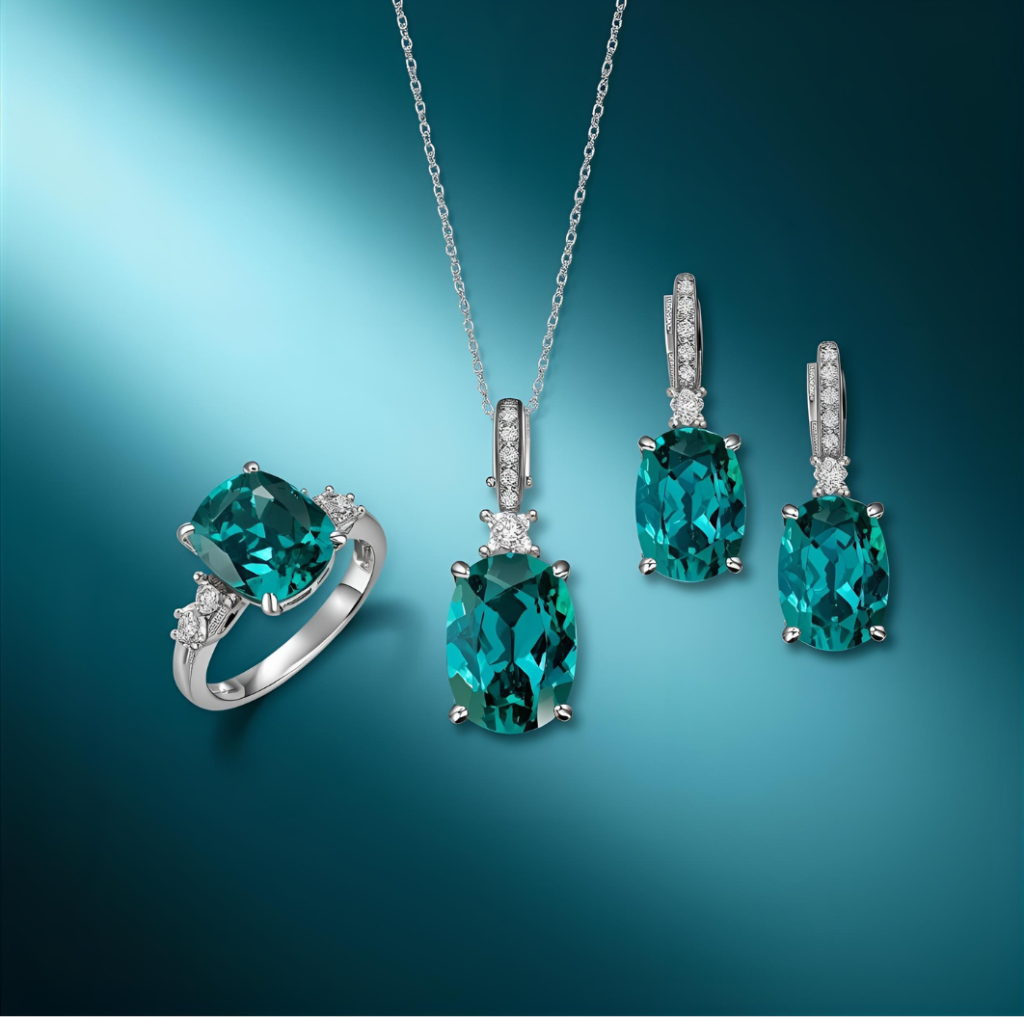
Paraiba’s symbolism — representing energy, emotional balance, and rare love — makes it one of the top non-diamond engagement stones in 2025.
Couples are opting for Paraiba center stones with diamond halos or minimal modern bands.
Timeless Gem Shop’s Signature Bridal Line features:
- Handpicked certified Paraiba stones
- Custom CAD designs for perfect proportion
- Global shipping with authenticity certification
💠 3. Jewelry Trends 2025: What’s Hot in Paraiba Design
The jewelry world has shifted toward individual expression and ethical elegance. Here’s what defines 2025’s Paraiba trends:
🔹 1. Sustainable Luxury
Ethical sourcing and traceable origins are now a buying priority.
Timeless Gem Shop ensures transparency — each gem includes full origin and treatment disclosure.
🔹 2. Mixed Metal Settings
Designers are combining white gold, rose gold, and platinum to complement the gem’s vivid glow.
🔹 3. Vintage Revival
Inspired by the 1920s Art Deco era — geometric designs, filigree detailing, and milgrain finishes with Paraiba centers.
🔹 4. Floating Gem Designs
Minimalist bezels and tension settings that allow maximum light play, making the Paraiba appear almost suspended in air.
🔹 5. Paraiba & Diamond Fusion
The combination of white diamond sparkle with neon blue brilliance creates unmatched visual contrast.
These hybrid designs are particularly sought after by high-end jewelers in 2025.
🌍 4. Famous Jewelry Houses Featuring Paraiba Tourmaline
Luxury brands have immortalized Paraiba in their collections:
- Cartier – Brazilian Paraiba statement necklaces worth over $2 million.
- Chopard – “Oceans of Light” high jewelry collection featuring neon Paraiba.
- Bvlgari – Mixing Paraiba with emeralds and sapphires for tropical harmony.
However, collectors looking for authentic, certified loose Paraiba stones at fair market value prefer Timeless Gem Shop, where each gemstone comes directly from ethical sources in Brazil and Mozambique.
🧿 5. How to Choose the Perfect Paraiba Jewelry Piece
When buying Paraiba jewelry, consider these expert factors:
- Color: Look for vivid neon blue or greenish-blue tones.
- Transparency: Eye-clean stones display superior brilliance.
- Cut: Choose precision cuts like oval, cushion, or pear for maximum fire.
- Metal Type: Platinum and white gold enhance the neon glow best.
- Certification: Always verify authenticity from GIA, GRS, or IGI.
At Timeless Gem Shop, each piece comes with:
✅ Authentic lab report
✅ High-resolution video views
✅ Lifetime authenticity warranty
💎 6. Paraiba Jewelry Care & Maintenance Tips
Because of its relative softness (7–7.5 on the Mohs scale), Paraiba Tourmaline requires gentle care:
- Clean with mild soap and warm water — avoid ultrasonic cleaners.
- Store separately to prevent scratches.
- Avoid prolonged exposure to heat or chemicals.
- Have jewelry professionally inspected once a year.
Timeless Gem Shop offers free cleaning and inspection services for premium customers — ensuring your Paraiba jewelry retains its glow for generations.
💬 7. Final Thought: The Future of Paraiba Jewelry Design
Paraiba Tourmaline has transcended trends — it represents modern rarity, emotional energy, and sustainable beauty.
From minimalist solitaires to intricate haute couture creations, its neon aura continues to captivate designers and collectors alike.
💎 Timeless Gem Shop remains committed to curating the world’s most exquisite Paraiba jewelry and loose stones, blending authenticity, artistry, and ethical sourcing into every creation.
What Makes Paraiba Tourmaline Unique?
Every genuine Paraiba Tourmaline owes its glow to a trace element — copper (Cu), often with manganese (Mn).
This copper-bearing composition gives the stone its signature neon blue to greenish-blue fluorescence that seems to radiate from within.
True Paraiba Tourmaline = Copper-bearing Tourmaline + Intense Neon Glow
Gem labs identify Paraiba by its chemical fingerprint, especially Cu content visible under spectroscopy.
💠 2. Authentic Paraiba Tourmaline Identification Checklist
Here’s how to identify a real Paraiba Tourmaline step by step:
| Step | Feature | What to Look For | Tools Used |
|---|---|---|---|
| 1 | Color Glow | Neon blue, turquoise, or electric green with internal luminosity | Naked eye, daylight |
| 2 | Transparency | Usually transparent to slightly included | Loupe 10× |
| 3 | Pleochroism | Color change from blue to greenish-blue depending on angle | Dichroscope |
| 4 | Trace Elements | Copper (Cu) and Manganese (Mn) | Spectrometer or EDXRF |
| 5 | Origin | Brazil or Mozambique most common | Lab certificate |
| 6 | Hardness | 7–7.5 on Mohs scale | Scratch test (avoid DIY) |
| 7 | Refractive Index | 1.61–1.65 | Refractometer |
| 8 | Specific Gravity | 3.04–3.12 | Hydrostatic balance |
If a stone lacks copper traces — it is not Paraiba Tourmaline, even if it has a similar color.
⚗️ 3. Lab Testing & Certification: The Gold Standard of Authenticity
When purchasing Paraiba Tourmaline, always insist on a lab-issued authenticity certificate.
Top-tier gemological laboratories include:
- GIA – Gemological Institute of America
- GRS – GemResearch SwissLab
- IGI – International Gemological Institute
- Gubelin Gem Lab
- Lotus Gemology
Each lab report typically states:
- Stone name: Tourmaline (variety: Paraiba)
- Origin: Brazil or Mozambique
- Chemical composition: Copper-bearing elbaite
- Treatment status: Heated / Unheated
At Timeless Gem Shop, every Paraiba gemstone is accompanied by an authentic GRS or GIA certificate, confirming copper-bearing composition and origin.
🔦 4. Common Fake or Misleading Paraiba Substitutes
Because of high demand, several imitations and misleading names circulate in the gemstone market. Here’s what to watch out for:
| Fake Type | Description | Why It’s Misleading |
|---|---|---|
| Blue Tourmaline (Indicolite) | Natural, but lacks copper; deeper blue, no neon glow | Marketed falsely as “Paraiba” |
| Synthetic Spinel or Topaz | Artificially colored stones with vivid blue hue | No natural copper trace |
| Glass or Resin Imitations | Cheap replicas with surface shine | Low hardness (scratches easily) |
| Diffusion-treated Tourmaline | Artificial copper infusion | Not natural Paraiba; color unstable |
| Coated Quartz or Beryl | Thin color coatings mimic glow | Coating wears off over time |
💡 Tip: If the price seems “too good to be true,” it probably is. Real Paraiba Tourmalines rarely sell below $3,000 per carat for vivid neon material.
🧾 5. How to Verify a Paraiba Certificate
Many counterfeit certificates exist online. Use these checks before trusting any “lab report”:
✅ The lab name should be GIA, GRS, IGI, or Lotus — avoid unrecognized labs.
✅ Verify report number directly on the lab’s official website.
✅ Ensure the report specifies “copper-bearing elbaite” or “Paraiba Tourmaline.”
✅ Cross-check weight, dimensions, and photos with the physical stone.
Timeless Gem Shop provides digital verification links and QR codes with every certified Paraiba gemstone.
🔬 6. Advanced Testing Techniques Used by Experts
1. UV-Vis-NIR Spectroscopy
Shows characteristic copper absorption lines — proof of authenticity.
2. EDXRF Chemical Analysis
Identifies exact trace element ratios (Cu, Mn, Fe).
3. Microscopic Inclusion Analysis
Paraiba gems often contain hollow tubes or liquid inclusions typical of natural formation.
4. Pleochroism Observation
Rotate the stone under polarized light — genuine Paraibas show dual tones: blue & green-blue.
🧿 7. Treated vs Untreated Paraiba: How to Tell the Difference
Some Paraibas undergo heat treatment to improve color clarity.
Here’s how they differ:
| Type | Color Appearance | Market Value |
|---|---|---|
| Unheated Paraiba | Slightly greenish-blue, natural glow | $$$$ (Very Rare) |
| Heated Paraiba | Vivid sky-blue, cleaner appearance | $$$ |
| Diffused or Coated | Artificial blue, uneven color zones | $ (Low value) |
Timeless Gem Shop always discloses treatment history and prioritizes natural, unheated stones whenever available.
💡 8. Real vs Fake Paraiba: Quick Visual Comparison
| Feature | Real Paraiba | Fake / Synthetic |
|---|---|---|
| Neon glow | Internal, natural | Surface reflection |
| Clarity | Slight natural inclusions | Often too perfect |
| Hardness | 7–7.5 | < 6 (scratches easily) |
| Price | High (rarely cheap) | Suspiciously low |
| Certification | GIA/GRS verified | Missing or local lab |
| Weight | Often small sizes (<5ct) | Larger fakes available |
💬 9. Why Authenticity Matters for Collectors
A certified Paraiba Tourmaline isn’t just a gemstone — it’s an investment.
Genuine Paraibas appreciate in value due to their limited supply and high demand.
Buying uncertified or imitation stones can result in massive financial loss.
That’s why Timeless Gem Shop ensures:
- Every stone is lab-certified and traceable
- Certificates are verifiable online
- Transparent disclosure of origin, treatment, and grading
Buy Only Certified Paraiba Tourmaline
Paraiba Tourmaline’s electric glow is one of nature’s rarest miracles — but it also attracts countless counterfeits.
The best protection is knowledge + certification.
Whether you’re a jeweler, collector, or investor, always insist on authentic reports and trusted sources like Timeless Gem Shop, where every neon gem tells a verified story of earth’s rarest blue fire.
What Makes Paraiba Tourmaline So Valuable?
Paraiba Tourmaline’s value lies in its unique copper-bearing composition and electric glow, found in only a few deposits on Earth.
Because mining output is extremely limited and demand continues to grow, the price has risen steadily every year.
In 2025, the gemstone market regards Brazilian and Mozambique Paraibas as some of the most desirable colored gems on Earth — even surpassing Rubies and Emeralds in price per carat.
📊 2. Paraiba Tourmaline Price Chart 2025 (Per Carat Guide)
Below is the approximate retail market value (USD per carat) for natural, certified Paraiba Tourmaline in 2025:
| Quality Grade | Color | Origin | Clarity | Treatment | Price Range (USD/ct) |
|---|---|---|---|---|---|
| Investment Grade | Vivid Neon Blue | Brazil | Eye Clean | Unheated | $20,000 – $80,000+ |
| Premium Grade | Electric Blue / Turquoise | Brazil / Mozambique | Slightly Included | Heated | $8,000 – $25,000 |
| Fine Grade | Bright Blue-Green | Mozambique | Slightly Included | Heated | $3,500 – $8,000 |
| Commercial Grade | Light Blue-Green | Nigeria / Mozambique | Visible Inclusions | Heated | $1,000 – $3,000 |
| Cabochon / Rough | Bluish-Green | Mixed Origins | Included | Heated | $300 – $1,000 |
💡 Tip: The color intensity and glow matter more than the size — a 1.5ct neon Paraiba can be worth more than a 5ct dull one.
🌎 3. Price Difference by Origin
| Origin | Color Tendency | Typical Price (USD/ct) | Notes |
|---|---|---|---|
| Brazil (Paraíba State) | Vivid neon-blue, turquoise | $10,000 – $80,000 | The rarest and most valuable |
| Mozambique | Slightly greener neon-blue | $3,000 – $25,000 | Excellent quality, more available |
| Nigeria | Green-blue, less neon | $1,000 – $5,000 | Affordable option for collectors |
Brazilian Paraibas remain the benchmark for top-tier investment, while Mozambique stones dominate the mid-high range due to availability.
🧭 4. Key Factors That Determine Paraiba Tourmaline Value
| Factor | Description | Impact on Value |
|---|---|---|
| Color Intensity | The stronger the neon glow, the higher the value. | 🔥 Extremely High |
| Origin | Brazilian > Mozambique > Nigeria | 💎 Very High |
| Treatment | Unheated stones command a premium. | 💰 High |
| Clarity | Eye-clean gems preferred; minor inclusions accepted. | 💠 Moderate |
| Cut Quality | Maximizes brightness and sparkle. | ⚙️ Moderate |
| Carat Weight | Larger sizes (2ct+) are rare and expensive. | 📈 High |
| Certification | GIA/GRS reports confirming Cu content increase trust. | ✅ Essential |
📈 5. Paraiba Tourmaline Market Trends (2025 Update)
- Rising Global Demand: Collectors in Japan, UAE, and the US are driving up prices for certified Brazilian stones.
- Depleting Mines: Brazilian Paraiba mines (Batalha, São José da Batalha) are nearly exhausted — boosting rarity.
- Investment Appeal: Auction prices have doubled since 2020; high-end Paraibas often outperform gold and diamond ROI.
- Jewelry Market: Luxury brands (Cartier, Tiffany, Bvlgari) frequently feature Paraiba Tourmaline as centerpiece gems.
📊 Market Outlook: Analysts predict an annual appreciation of 8–12% for top-grade Paraibas through 2030.
💼 6. Investing in Paraiba Tourmaline (Smart Collector’s Guide)
✅ Step 1: Buy Certified Stones Only
Always insist on GIA, GRS, or IGI certificates specifying “copper-bearing elbaite (Paraiba).”
✅ Step 2: Focus on Quality Over Size
A smaller 1ct vivid neon-blue gem may outperform a larger, duller piece in future resale.
✅ Step 3: Choose Brazilian or Top Mozambique Origin
These have proven long-term appreciation and liquidity in auction markets.
✅ Step 4: Keep Documentation
Maintain original certificates, purchase receipts, and photos for resale or insurance.
✅ Step 5: Store Securely
Use a padded jewelry box, keep away from heat and harsh light to preserve brilliance.
💍 7. Paraiba Tourmaline Jewelry Pricing Guide
| Jewelry Type | Gemstone Size | Setting Metal | Average Price (USD) |
|---|---|---|---|
| Paraiba Pendant | 1.5–2ct | 18K Gold | $6,000 – $20,000 |
| Paraiba Ring | 2–3ct | Platinum / Gold | $10,000 – $35,000 |
| Paraiba Earrings | 3–5ct total | White Gold | $12,000 – $40,000 |
| Paraiba Bracelet | 6–10ct total | 18K Gold | $25,000 – $80,000 |
| Paraiba Necklace | 10ct+ total | Platinum | $60,000 – $200,000+ |
💡 Note: Jewelry featuring unheated Brazilian Paraibas can command auction prices above $500,000.
🏆 8. Paraiba Tourmaline vs Other Rare Blue Gems
| Gemstone | Color | Rarity | Avg Price (USD/ct) | Investment Potential |
|---|---|---|---|---|
| Paraiba Tourmaline | Neon blue-green | Extremely Rare | $3,000–$80,000 | ⭐⭐⭐⭐⭐ |
| Blue Sapphire (Kashmir) | Royal blue | Very Rare | $10,000–$50,000 | ⭐⭐⭐⭐ |
| Aquamarine | Sky blue | Common | $200–$1,500 | ⭐⭐ |
| Blue Zircon | Electric blue | Moderate | $500–$2,000 | ⭐⭐ |
| Blue Diamond | Vivid blue | Ultra Rare | $100,000+ | ⭐⭐⭐⭐⭐ |
👉 Paraiba Tourmaline stands uniquely between blue sapphire luxury and diamond-level rarity, making it a perfect balance of beauty and investment.
📜 9. Expert Tips Before You Buy
✅ Ask for origin & copper confirmation in writing.
✅ Avoid uncertified “Paraiba-like” or “neon tourmaline” claims.
✅ Use a jeweler’s loupe — true Paraibas have subtle internal inclusions, not flawless glassy clarity.
✅ Verify report authenticity online before paying.
✅ Buy from trusted gemstone dealers like Timeless Gem Shop, which specialize in natural, certified Paraiba Tourmalines only.
💫 10. Final Thoughts: The Blue Fire Worth Collecting
Paraiba Tourmaline’s neon brilliance is more than beauty — it’s legacy.
From the depths of Brazil’s Batalha mine to the hands of modern collectors, this gemstone continues to define luxury and rarity.
In 2025 and beyond, its price curve shows no sign of slowing.
For those seeking beauty, exclusivity, and appreciation, Paraiba Tourmaline remains a top investment gemstone — glowing brighter every year.