
What Are Loose Gemstones?
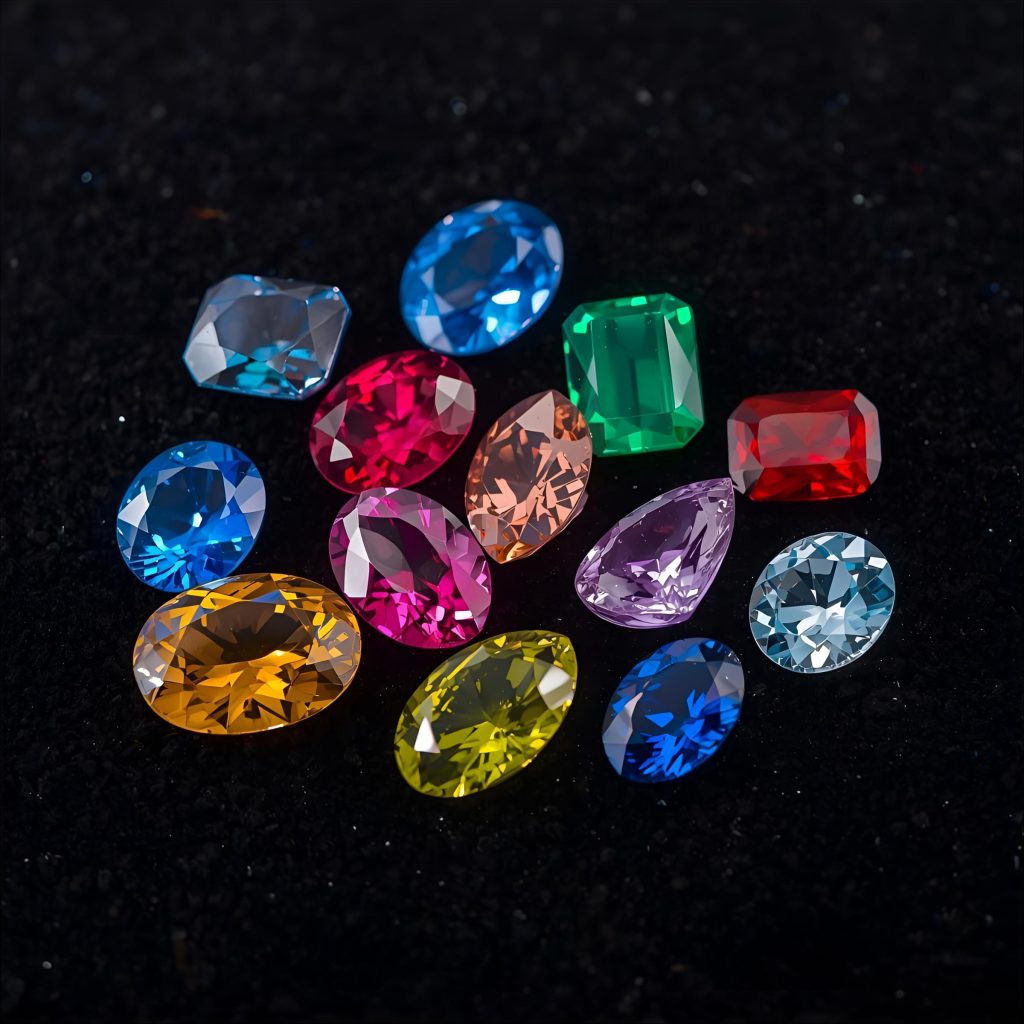
Loose gemstones are individual, polished stones that are not yet set into jewelry. Collectors, jewelers, and investors prefer them because they allow flexibility in design, customization, and investment. Whether it’s a dazzling sapphire, a fiery ruby, or a rare tanzanite, buying loose gemstones provides more control over quality, size, and price compared to pre-set jewelry pieces.
For many buyers in places like New York gemstone markets or wholesale gemstones NYC, purchasing loose stones is not just about aesthetics; it’s also about long-term value. Unlike mass-produced jewelry, loose gems maintain their identity as standalone treasures.
Why People Buy Loose Gemstones
There are several reasons why loose stones attract global buyers:
-
- Customization – Jewelers can craft personalized rings, pendants, or earrings.
-
- Investment – Rare stones such as loose tanzanite gemstones, colombian emeralds, or paraiba tourmaline stones for sale often appreciate in value over time.
-
- Transparency – Buyers can evaluate the stone’s clarity, cut, and color without a jewelry setting hiding potential flaws.
-
- Resale Potential – Loose stones are easier to trade or resell in markets like Gems USA or loose stones for sale platforms.
Natural vs. Treated Gemstones
Not all gemstones are equal. Some are natural, untouched by human processes, while others undergo treatments to enhance their appearance. For instance, an untreated sapphire carries more rarity and higher demand compared to a heat-treated one. Similarly, certified tanzanite or natural pink tourmaline fetch premium value because buyers trust authenticity.
Understanding this distinction helps avoid overpaying for treated stones when the buyer’s intention is to secure natural gemstones for long-term investment.
Loose Gemstones vs. Pre-Set Jewelry
When someone purchases a gemstone in a ring or pendant, they are paying for the design, craftsmanship, and brand markup in addition to the stone. On the other hand, loose gemstones reflect the pure value of the stone itself.
-
- A ruby loose stone allows the buyer to later design it into a bespoke engagement ring.
-
- A loose ceylon sapphire can be compared directly with another stone for price per carat.
-
- Collectors often buy loose garnets or loose spinel gemstones to diversify their portfolios.
The flexibility and cost-efficiency make loose stones the smarter choice for serious buyers.
Popularity in the USA and NYC
Markets such as wholesale gemstones NYC remain hubs where both jewelers and private collectors source stones. The U.S. is one of the largest markets for colored stones, and with the growth of e-commerce, buyers can now buy loose gemstones online from trusted international suppliers.
Retailers offering loose precious gemstones and semi-precious stones ensure customers have access to a wide selection: from the affordable peridot price to the premium burma rubies for sale.
Online vs. Offline Buying
-
- Offline Buying: Gemstone districts like 47th Street in New York let buyers physically inspect gems. One can see the brilliance of a deep green emerald or the sparkle of a blue green sapphire under natural light.
-
- Online Buying: Trusted platforms allow customers to buy tanzanite stone online, order pink tourmaline gemstones, or check the cabochon stone price with certification for peace of mind.
The Growing Appeal of Rare Gems
The demand for exotic gems such as color change tanzanite, spinel cobalt blue, or turmalina Paraiba shows that collectors are moving beyond traditional stones. These rarities bring both uniqueness and investment value, driving a surge in the popularity of new gemstones entering the global market.
Final Thoughts on the Introduction
Loose gemstones offer freedom, value, and transparency. Buyers looking to buy loose gemstones gain advantages over those purchasing ready-made jewelry. From sapphire green stones to lavender spinel, the variety ensures every collector finds a gem that resonates with their personal taste and financial goals.
As this guide progresses, readers will explore each major gemstone category in detail—sapphires, rubies, emeralds, tanzanite, tourmaline, spinel, garnet, peridot, and topaz—to understand their prices, qualities, and buying strategies.
Loose Sapphires – A Buyer’s Guide
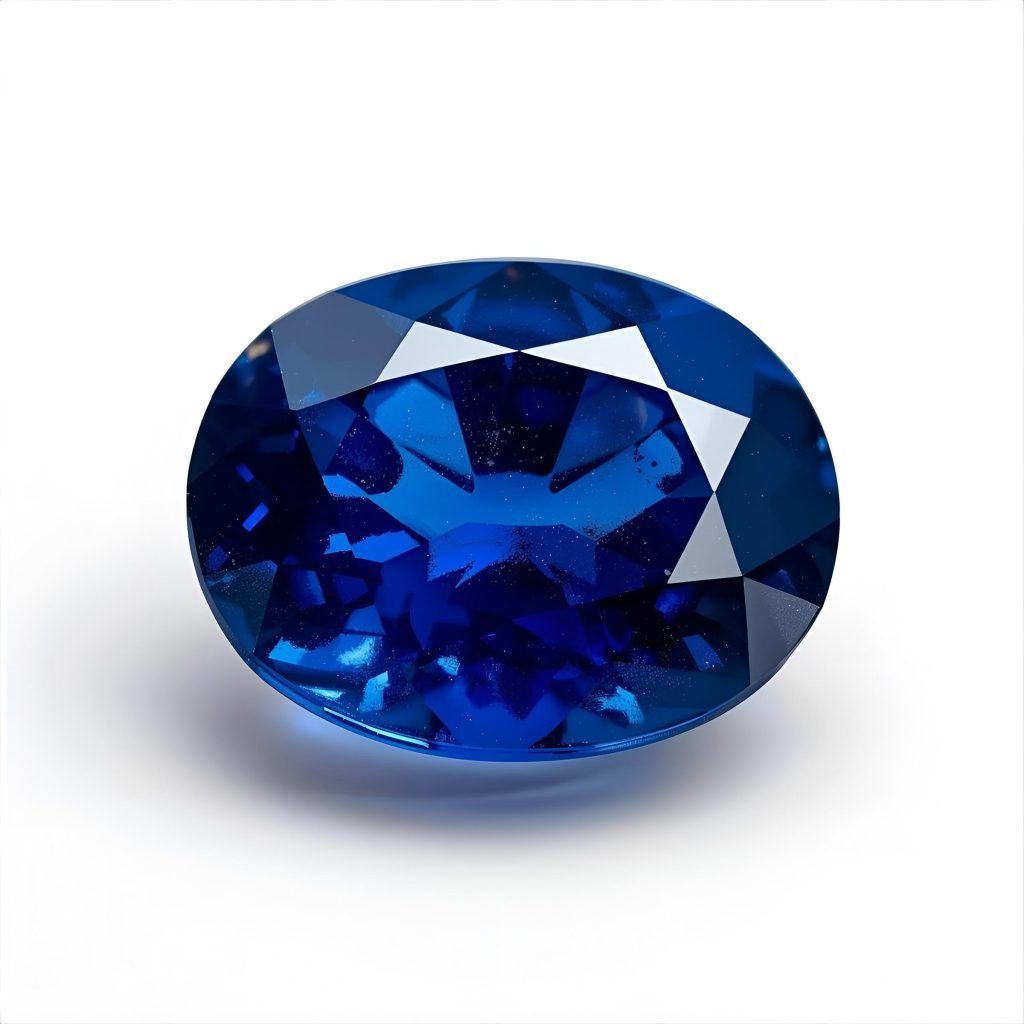
Why Sapphires Are So Popular
Sapphires have long symbolized wisdom, loyalty, and nobility. From ancient kings wearing blue sapphire loose stones as protective talismans to modern couples choosing sapphire for sale as engagement ring centers, sapphires remain one of the world’s most sought-after gemstones.
What makes sapphires unique is their incredible range of colors. While most people imagine a royal blue stone, sapphires actually exist in shades of pink, green, peach, teal, and even rare orange or purple tones. This variety means that buyers searching for loose sapphires have more options than almost any other gemstone category.
Loose Sapphires vs. Set Jewelry
Buying a sapphire that is already set in jewelry often means paying extra for craftsmanship and branding. With loose sapphire gemstones, the buyer focuses purely on the stone’s beauty, cut, and clarity before deciding how to set it.
-
- A loose blue sapphire may later become a custom engagement ring.
-
- A loose pink sapphire can be paired with diamonds to create a romantic pendant.
-
- Collectors may purchase a peach sapphire loose stone to hold as an investment.
Loose stones also allow side-by-side comparisons, making it easier to judge the true sapphire price before committing.
Factors That Influence Sapphire Price
Sapphire pricing is highly variable. A ceylon blue sapphire price may differ significantly from a green sapphire price due to origin, treatment, and rarity. Here are the most important factors:
-
- Color – The most valuable is “cornflower blue,” often advertised as cornflower blue sapphire for sale. Teal, peach, and fancy colors also hold strong demand.
-
- Clarity – Fewer inclusions result in higher prices.
-
- Cut – Well-cut sapphires maximize brilliance. Poorly cut stones may look dull, even if color quality is high.
-
- Carat Weight – Larger stones are rare and command much higher prices per carat.
-
- Origin – Stones from Sri Lanka (Ceylon), Madagascar, and Kashmir are especially prized. A loose ceylon sapphire is considered a premium choice.
-
- Treatment – An untreated sapphire is significantly rarer and more expensive than a heated one.
Types of Loose Sapphires
The classic gemstone of royalty, blue sapphire price depends on depth of color and origin. Buyers seeking investment often look for vivid stones from Sri Lanka or Kashmir.
2. Fancy-Colored Sapphires
-
- Green sapphires – Subtle and elegant, they’re becoming increasingly popular. Many jewelers now highlight green sapphire price and rarity.
-
- Peach sapphire – Romantic and feminine, perfect for alternative engagement rings. A peach sapphire loose stone often appeals to buyers who love pastel tones.
-
- Teal sapphire – Modern collectors admire the mix of green and blue. Demand for teal sapphire is strong in online markets.
3. Ceylon Sapphires
Known for exceptional brilliance, ceylon sapphire price is often higher than stones from other origins. These gems are especially valued by connoisseurs. Searching for buy loose ceylon sapphires online is a common approach for buyers seeking premium quality.
4. Rare Sapphires
-
- Cornflower blue sapphires – Brilliant and highly collectible.
-
- Untreated sapphires – Among the rarest and most expensive due to natural purity.
-
- Fancy blue sapphires – Stones that don’t fit the classic shade but still shine with uniqueness.
Where to Buy Loose Sapphires
Offline – Traditional Markets
In gemstone hubs like New York’s 47th Street or Bangkok’s gem district, buyers can physically inspect stones. Seeing a loose blue sapphire under natural daylight provides confidence before purchase.
Online – Trusted Platforms
The rise of e-commerce allows collectors to buy loose ceylon sapphires, loose pink sapphires, or even an untreated sapphire with global shipping. Reputable online sellers provide certification to ensure authenticity and protect buyers.
Certifications and Trust
Because sapphires are often treated or imitated, certification is critical. Reputable labs like GIA or IGI confirm whether a stone is natural, untreated, or heated. A buyer should always request certification when considering high-value stones such as loose ceylon sapphires or cornflower blue sapphire for sale.
Investment Potential of Loose Sapphires
Loose sapphires are more than just beautiful—they’re a form of portable wealth. Over time, rare sapphires, especially untreated sapphire and ceylon sapphire, have shown steady appreciation in value. Collectors often hold stones like sapphire green, teal sapphire, or peach sapphire as part of diversified investment portfolios.
Tips for Buyers
-
- Always compare sapphire price per carat rather than total stone price.
-
- Insist on certification for expensive purchases.
-
- Understand the difference between heated and untreated sapphires.
-
- Explore fancy colors like green sapphires or loose pink sapphires for unique designs.
-
- Buy from trusted jewelers—both offline markets and online stores that provide guarantees.
Final Thoughts on Loose Sapphires
From blue sapphire loose stones admired for centuries to modern teal sapphire that appeals to younger buyers, sapphires continue to be timeless and versatile. Whether purchased in a New York gemstone market or from a trusted online platform, owning a loose sapphire means holding a piece of history, beauty, and enduring value.
As one of the most stable gemstones in terms of demand and investment, sapphires remain a cornerstone for any collector or buyer looking to add brilliance to their jewelry or gemstone portfolio.
Loose Rubies – The King of Gemstones
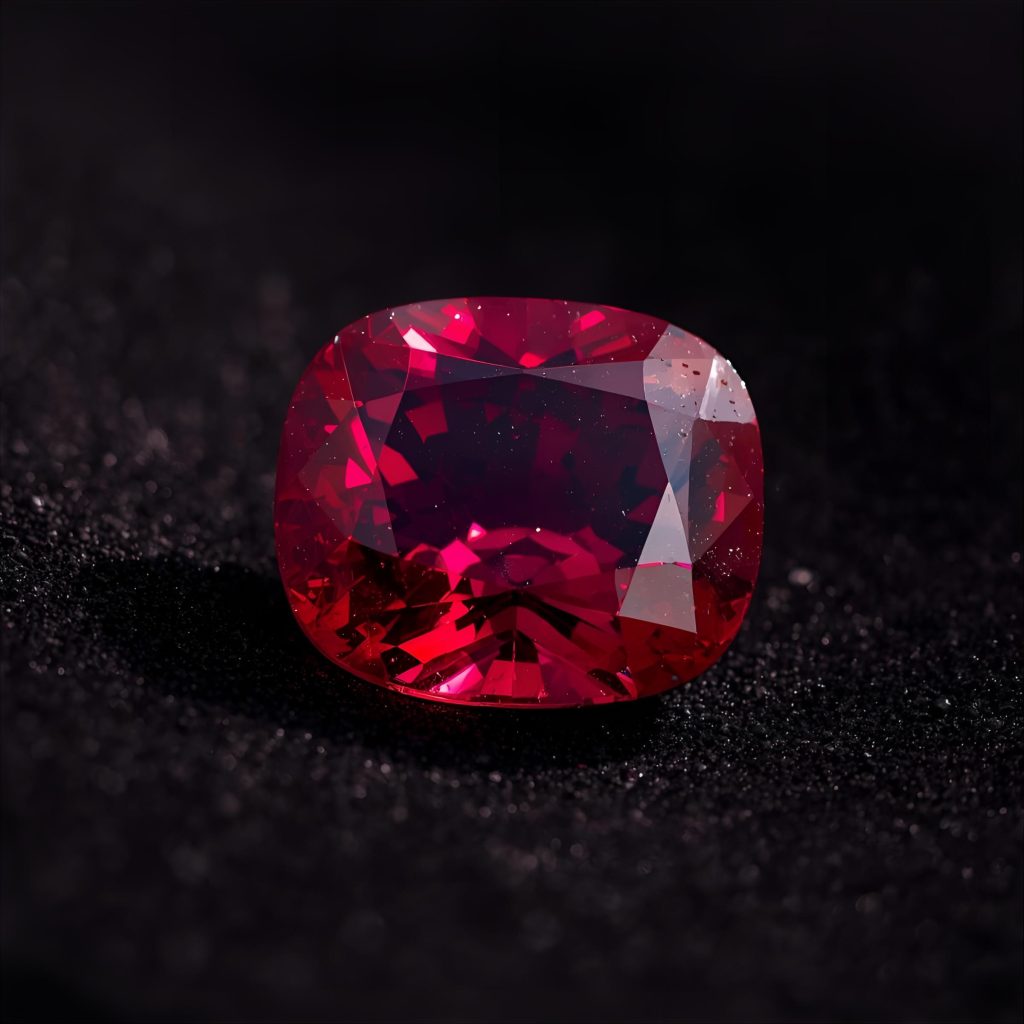
The Timeless Allure of Rubies
Among all colored gemstones, rubies have held a reputation for being the most passionate and powerful. Known as the “King of Gemstones,” the real ruby gem symbolizes love, energy, and protection. For centuries, royals wore real rubies in crowns and ceremonial jewelry to represent strength and prosperity. Today, collectors and jewelry lovers continue to search for ruby loose stone options to create unique, personal pieces.
Why Buy Loose Rubies?
Buying ruby loose stones allows buyers to evaluate a gem on its own merits—color, clarity, cut, and size—before deciding on a setting. Unlike pre-set jewelry, loose rubies offer:
-
- Transparency in pricing – You know the exact price of red ruby without added design costs.
-
- Flexibility in design – A ruby oval stone might be perfect for a custom ring, while a ruby cabochon stone could suit a vintage pendant.
-
- Investment potential – Rare natural Burma ruby and high-quality rubies often appreciate in value.
What Determines Ruby Value?
-
- Color
The finest rubies have a vivid, pure red often described as “pigeon blood.” Stones like burma rubies for sale are especially prized for this deep hue. Subtle differences in saturation significantly affect value.
- Color
-
- Clarity
While most rubies contain inclusions, too many can reduce transparency. A real ruby gem with minor inclusions is still highly valued if color is exceptional.
- Clarity
-
- Cut
The way a ruby is cut impacts brilliance. Round ruby stones display symmetry, while ruby oval shapes are popular for rings. Cabochon ruby cuts showcase smooth domes, highlighting star-like inclusions in rare varieties.
- Cut
-
- Carat Weight
Large rubies are rare. The price of red ruby increases exponentially with size.
- Carat Weight
-
- Origin
Burmese rubies are legendary for their quality. Searching for burma ruby price often leads buyers to premium markets. Other origins include Mozambique, Madagascar, and Thailand.
- Origin
Popular Types of Loose Rubies
-
- Natural Burma Ruby – Considered the most prestigious variety, with unmatched vibrancy.
-
- Cabochon Ruby – Smooth-polished stones, sometimes showing asterism (a star effect).
-
- Ruby Oval & Round Cuts – Classic cuts widely used in fine jewelry.
-
- Ruby Pair – Matching stones are ideal for earrings.
-
- Ruby Cabochon Stone – Preferred for vintage or antique-style designs.
Ruby Price Trends
The price of red ruby varies dramatically depending on size, clarity, and origin.
-
- Burma ruby price is among the highest due to rarity.
-
- Cabochon ruby tends to be more affordable, especially when inclusions are present.
-
- Ruby sell markets in places like New York and Bangkok often feature a wide price range, from modest cabochons to premium high-quality rubies.
Where to Buy Loose Rubies
Offline Gem Markets
In major hubs such as New York’s Diamond District, buyers can explore real ruby gems in person. Jewelers often showcase burma rubies for sale alongside certified modern alternatives.
Online Gemstone Stores
Modern buyers increasingly prefer to buy ruby stone or buy ruby oval options online. Trusted sellers offer certifications and return policies to ensure authenticity. Searching for buy ruby stone online gives access to global inventory.
Certification and Authenticity
Rubies are often treated to improve clarity and color. Heat treatment is common, while unheated stones (especially natural Burma ruby) are rare and significantly more valuable. To avoid overpaying, buyers should always request certification. This is especially true for high-end purchases like best ruby or high-quality rubies.
Investment Potential
Loose rubies, particularly untreated Burmese stones, are considered excellent long-term investments. Over the years, collectors have watched real rubies appreciate steadily in value. Buying a ruby loose stone today could mean holding a rare asset for the future.
-
- Best ruby gems from Burma and Mozambique are highly collectible.
-
- A ruby pair or matching round rubies can be stored for future custom jewelry.
-
- Many investors track burma ruby price trends to anticipate appreciation.
Tips for Ruby Buyers
-
- Compare multiple ruby loose stones side by side under natural light.
-
- Ask for certifications, especially when evaluating natural Burma ruby or burma rubies for sale.
-
- Be cautious of synthetic stones—always request testing from reliable labs.
-
- Understand market trends for ruby sell prices in both local and online platforms.
-
- Consider unique shapes like ruby oval stone or cabochon ruby for creative designs.
Final Thoughts on Loose Rubies
Whether purchasing a cabochon ruby, ruby oval, or natural Burma ruby, loose rubies remain unmatched in passion and elegance. Collectors searching for Burma rubies for sale value these stones not just for beauty but for their timeless symbolism of love and vitality.
For investors, rubies represent one of the most stable markets among colored gemstones. For jewelers and buyers, they offer versatility in both modern and vintage-inspired settings.
Ultimately, holding a real ruby gem is like owning a piece of earth’s fire—rare, radiant, and everlasting.
Loose Emeralds – The Jewel of Kings
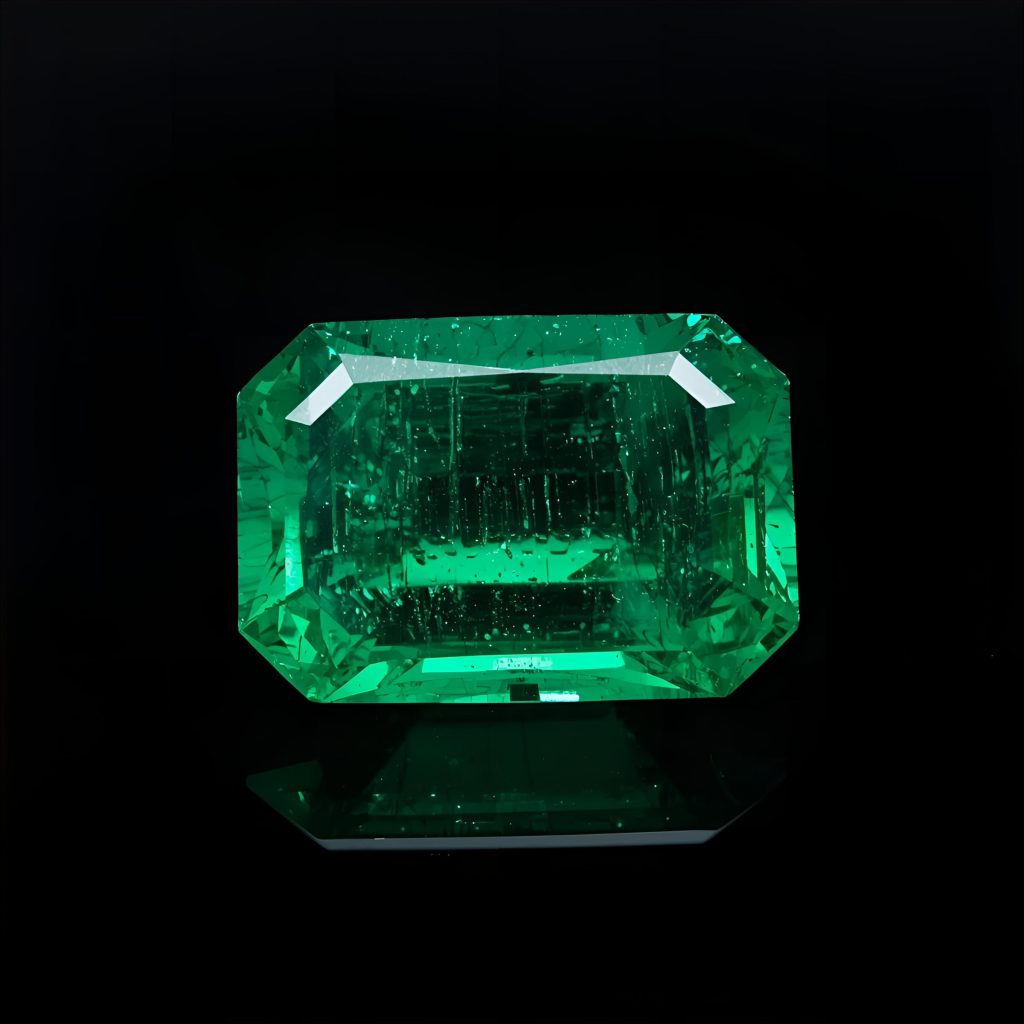
The Enchantment of Emeralds
Emeralds, known as the “Jewel of Kings,” have fascinated humanity for over 4,000 years. Admired by Cleopatra, coveted by Indian maharajas, and cherished in royal treasuries, the deep green emerald represents luxury, wisdom, and rebirth. Today, collectors and jewelry lovers search for loose emerald gemstones to create unique and timeless pieces.
Emeralds belong to the beryl family, and their rich green color comes from trace amounts of chromium and vanadium. Whether it’s a cabochon emerald for vintage settings or a precision-cut emerald cut emerald, loose stones allow for freedom in design and investment.
Why Buy Loose Emeralds?
Purchasing loose emeralds instead of pre-set jewelry comes with several benefits:
-
- Transparency in value – Buyers can see the actual emerald price before additional design costs.
-
- Customization – A Colombian emeralds for sale piece can be crafted into a one-of-a-kind engagement ring, pendant, or heirloom.
-
- Investment – Certain stones, especially Colombian emeralds, appreciate in value due to rarity.
Loose emeralds also give buyers a chance to inspect clarity, color zoning, and inclusions without being distracted by the setting.
Factors That Define Emerald Value
-
- Color
-
- The most sought-after hue is vivid green with evenly distributed color.
-
- Stones described as deep green emerald are the most valuable.
-
- Color
-
- Clarity
-
- Unlike diamonds, inclusions (called “jardin”) are expected in emeralds.
-
- Eye-clean stones fetch a premium, but inclusions add character.
-
- Clarity
-
- Cut
-
- The emerald cut emerald is the most famous style, enhancing brilliance while protecting the gem from damage.
-
- Cabochon emeralds highlight internal patterns, ideal for vintage pieces.
-
- Cut
-
- Carat Weight
-
- Larger emeralds are rare and can command exponential prices.
-
- A modest stone with superior color can still be more valuable than a larger one with poor saturation.
-
- Carat Weight
-
- Origin
-
- Colombian emeralds are globally renowned, often commanding the highest prices.
-
- Other sources include Zambia, Brazil, and Afghanistan.
-
- Origin
Types of Loose Emeralds
-
- Cabochon Emerald – Smooth-polished stones with visible jardin inclusions.
-
- Emerald Cut Emerald – Rectangular shape with step facets, the classic cut for stability.
-
- Colombian Emeralds – Known for their unmatched vivid green and high transparency.
-
- Deep Green Emerald – Collectors’ favorite, often premium-priced.
Price of Loose Emeralds
The emerald price can vary widely based on color, clarity, size, and origin.
-
- Colombian emeralds prices are generally the highest.
-
- A cabochon emerald is more affordable but can still be valuable depending on color intensity.
-
- Larger stones with fine color and minimal inclusions are extremely rare and expensive.
Marketplaces for Colombian emeralds for sale or emeralds NYC showcase price variations ranging from modestly affordable semi-precious quality to museum-grade specimens worth millions.
Where to Buy Loose Emeralds
-
- Emeralds NYC
New York remains a hub for gemstone trade. Buyers can explore both wholesale and retail options in the city’s gemstone district. Emeralds NYC stores often carry certified collections.
- Emeralds NYC
-
- Global Online Marketplaces
Many international platforms allow buyers to buy emerald stone online, offering a wide variety of certified gems. Searching for colombian emeralds for sale online provides access to worldwide collections.
- Global Online Marketplaces
-
- Wholesalers and Auctions
Collectors often find rare pieces at gemstone auctions or wholesale suppliers. Certified deep green emeralds are especially in demand at auctions.
- Wholesalers and Auctions
Certification and Authenticity
Since emeralds are often treated to improve clarity, certification is crucial. Common treatments include:
-
- Oil treatment – Fills cracks to improve clarity.
-
- Resin treatment – Less common but provides stability.
When buying premium stones like colombian emeralds, always request certification from a trusted lab (GIA, IGI, etc.).
Investment Potential
Emeralds have historically been excellent long-term investments. Colombian emeralds for sale often appreciate due to demand among collectors.
-
- Deep green emeralds retain exceptional value.
-
- Certified emerald cut emeralds are particularly liquid in the resale market.
-
- Rare untreated stones command strong auction prices.
For investors, knowing the emerald worth is essential before committing to a purchase.
How to Evaluate Emerald Worth
-
- Examine color under natural light.
-
- Check certification for treatments.
-
- Compare multiple stones side by side for hue and brilliance.
-
- Consider emerald cut emeralds for durability in daily wear.
-
- Track market trends for colombian emeralds prices to assess future value.
Common Shapes and Uses
-
- Emerald Cut – Engagement rings, high-end jewelry.
-
- Cabochon Emerald – Vintage, antique-style settings.
-
- Round and Oval Cuts – Modern jewelry designs.
-
- Emerald Pairings – Used for earrings or custom matching pieces.
Final Thoughts on Loose Emeralds
Emeralds embody timeless beauty, prosperity, and sophistication. Whether one chooses a cabochon emerald, a precision-cut emerald cut emerald, or a premium colombian emerald, the gemstone continues to be a symbol of elegance.
For collectors, colombian emeralds for sale represent an investment opportunity. For jewelry lovers, a deep green emerald is a stunning choice for custom designs. And for investors, certified emeralds NYC or Colombian stones provide strong value retention.
Owning a loose emerald means holding history, luxury, and nature’s artistry all in one brilliant stone.
Tanzanite – The Gemstone of a Thousand Blues
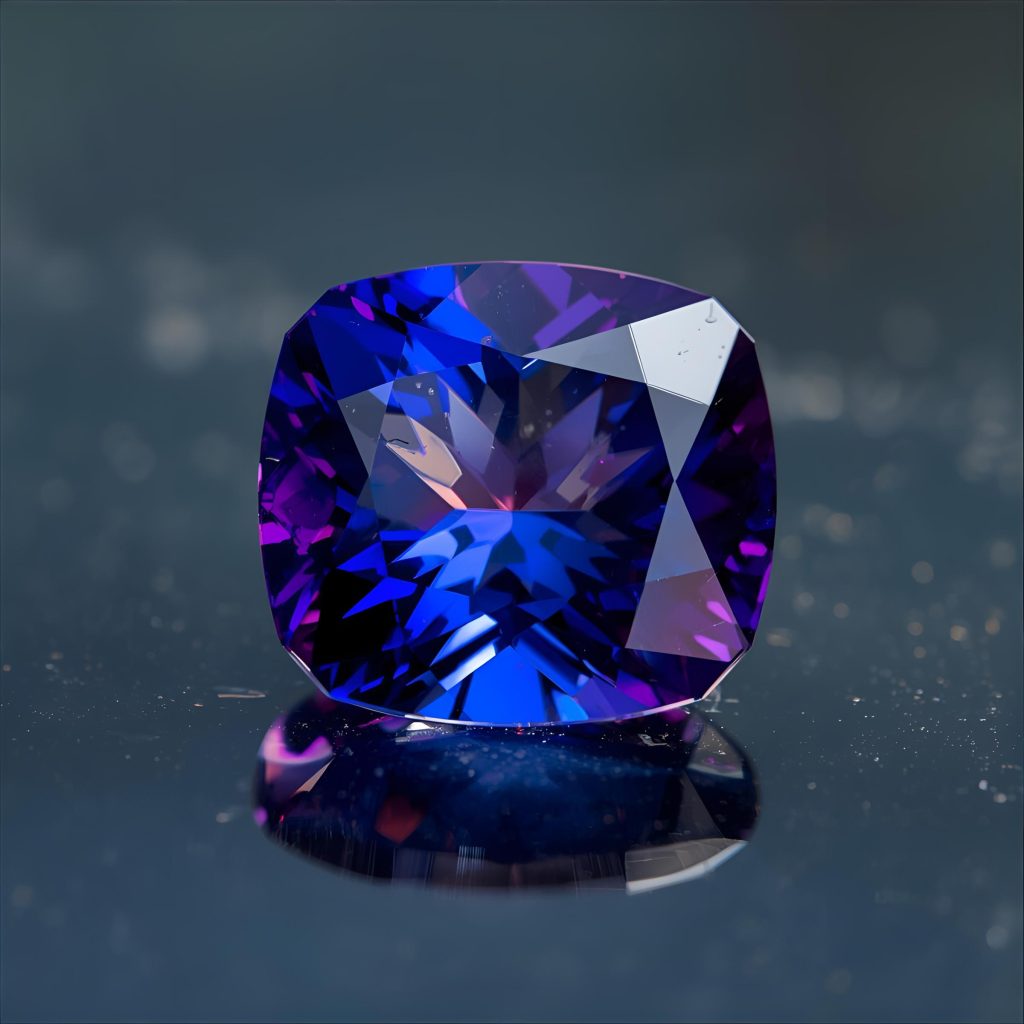
The Discovery of Tanzanite
Tanzanite is one of the rarest gemstones in the world, found only in Tanzania near Mount Kilimanjaro. Discovered in the 1960s, it quickly gained fame when Tiffany & Co. introduced it to the global market as the “Gemstone of the 20th Century.”
What makes tanzanite unique is its pleochroism — the ability to display multiple colors (blue, violet, and sometimes burgundy) depending on the viewing angle. No other gemstone offers such an enchanting play of hues.
Loose Tanzanite Stones – Why Collectors Love Them
Buying loose tanzanite stones gives buyers full control over design and investment. Loose stones are:
-
- Easier to evaluate (color, clarity, and cut).
-
- Perfect for customizing jewelry.
-
- Often less expensive than pre-set tanzanite jewelry.
Tip: Always compare the stone in different lighting (sunlight, LED, indoor) to appreciate its full pleochroic effect.
Certified Tanzanite – Why Certification Matters
Since tanzanite is valuable and rare, certification from a reputable lab (GIA, IGI, AGL) is essential. A certified tanzanite guarantees:
-
- The stone is genuine (not glass or synthetic).
-
- Accurate grading of color, clarity, and carat weight.
-
- Transparency on any heat treatment (most tanzanites are heat-treated to enhance blue tones).
 Always ask for a certificate before buying, especially online.
Tanzanite Colors and the Color-Change Phenomenon
-
- Deep Blue Tanzanite: The most valuable, often compared to sapphire.
-
- Violet Tanzanite: Softer purple hues, elegant and feminine.
-
- Color-Change Tanzanite: Displays blue under daylight and purple under incandescent light. Highly prized by collectors.
Price Impact: The richer the blue (with strong saturation), the higher the value.
Tanzanite Prices – What to Expect
Tanzanite is considered more affordable than sapphire but has been appreciating in value due to its rarity.
-
- Commercial Quality Tanzanite: $150 – $400 per carat.
-
- Fine Blue-Violet Tanzanite: $500 – $1,200 per carat.
-
- Top Investment-Grade Tanzanite (over 5 carats, vivid blue): $1,500 – $3,000+ per carat.
Since mining is limited to one region, experts believe prices will rise as supply decreases.
How to Buy Tanzanite – Expert Tips
-
- Focus on Color: Go for strong, vivid blue with hints of violet.
-
- Check Carat Size: Stones above 5 carats command premium prices.
-
- Verify Certification: Avoid uncertified stones, especially online.
-
- Look for Ethical Sourcing: Ensure the stone comes from responsible mines in Tanzania.
-
- Compare Prices: Genuine tanzanite is rare — if it seems too cheap, it probably isn’t real.
Symbolism & Meaning of Tanzanite
Tanzanite is often called the “stone of transformation.”
-
- Spiritual Symbolism: Believed to awaken intuition and higher consciousness.
-
- Healing Properties: Associated with calming stress and improving communication.
-
- Birthstone: Officially recognized as a December birthstone (with turquoise and zircon).
Its deep blue-violet shades symbolize wisdom, clarity, and spiritual awakening, making it a popular choice for meditation and personal growth.
Caring for Tanzanite – Maintenance Tips
Tanzanite ranks 6.5 on the Mohs scale, meaning it is softer than sapphire or ruby. Proper care is essential:
-
- Avoid ultrasonic cleaners (they may crack the stone).
-
- Clean with lukewarm water, mild soap, and a soft brush.
-
- Store separately to avoid scratches from harder gems.
-
- Remove tanzanite jewelry during sports, cleaning, or gardening.
With care, tanzanite can last generations as a family heirloom.
Tanzanite in Jewelry – Elegant & Modern
Tanzanite’s vivid blue-violet makes it a favorite for:
-
- Engagement Rings: A rare alternative to sapphire or diamond.
-
- Pendants & Earrings: Perfect for highlighting its color shift.
-
- Investment Stones: Loose, certified tanzanites above 5 carats are often purchased for long-term value.
Investment Potential of Tanzanite
Unlike many gems, tanzanite is truly geographically limited. Since it comes from a single region, supply is finite. Experts suggest:
-
- Prices may rise significantly when Tanzanian mines reach depletion.
-
- Larger, untreated, vividly colored stones are already seeing appreciation.
-
- Collectors are increasingly buying loose tanzanite stones as long-term investments.
Conclusion – Why Tanzanite is Special
Tanzanite is not just a gemstone; it’s a story of rarity, beauty, and transformation. With its mesmerizing blue-violet color, limited supply, and growing demand, it has earned a permanent place in the world of fine gemstones.
Whether you are looking to buy loose tanzanite stones, certified investment-grade gems, or simply jewelry that stands out, tanzanite offers a unique opportunity to own a piece of Earth’s rarest treasures.
Tourmaline – A Spectrum of Colors and Investment Value
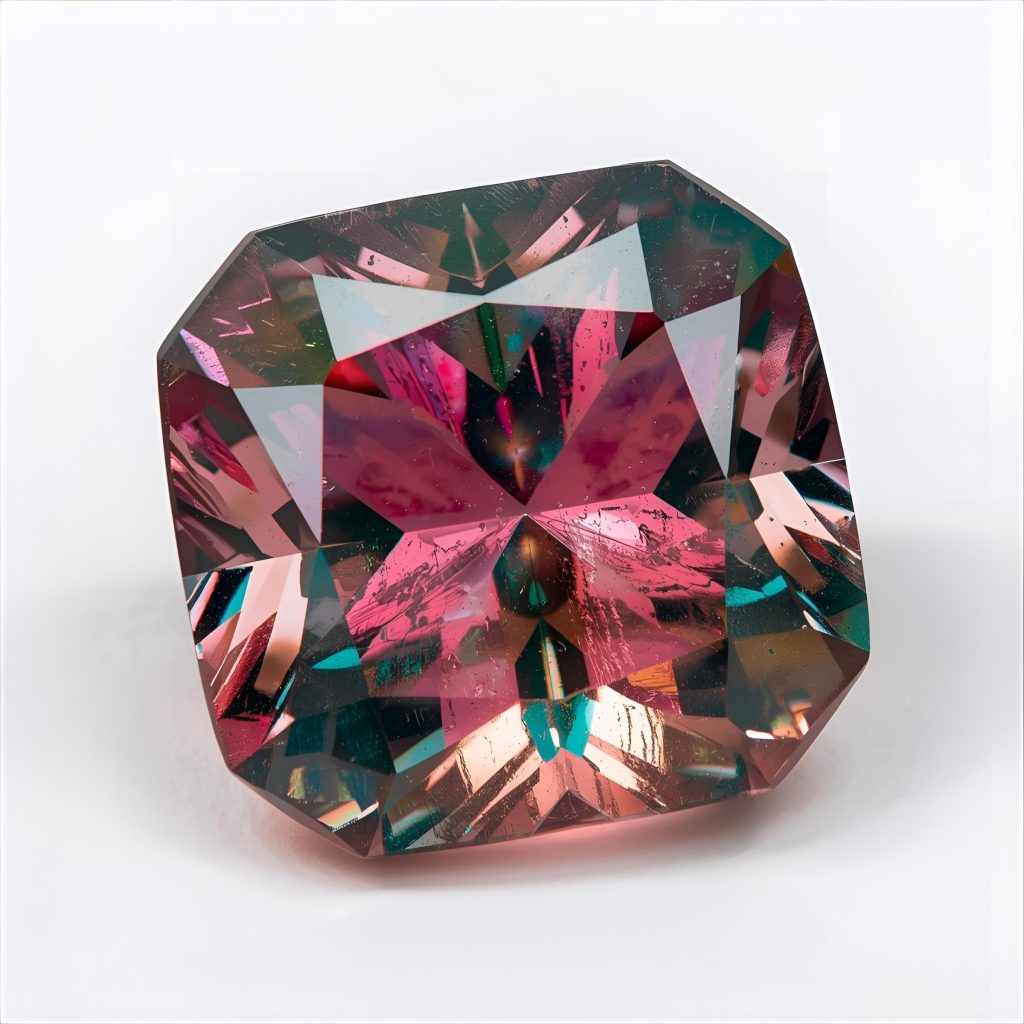
Among all gemstones, tourmaline stands out as a stone of endless variety. Known as the “rainbow gem,” it comes in every imaginable shade, from delicate pinks to vivid Paraiba blues. For collectors, jewelers, and gem enthusiasts, buying loose tourmaline provides not only creative freedom but also strong investment potential.
What Makes Tourmaline Unique?
Unlike single-colored gemstones such as ruby or sapphire, tourmaline naturally occurs in a kaleidoscope of hues. The name itself originates from “turamali,” a Sinhalese word meaning “stone of mixed colors.” Because of this, no two pieces of natural pink tourmaline or paraiba tourmaline stone look exactly alike.
Tourmaline’s value depends on color intensity, clarity, cut, and origin. With its remarkable durability (7–7.5 on Mohs scale), it is widely used in jewelry, especially when buyers want something rare yet wearable.
Popular Varieties of Tourmaline
-
- Keywords: natural pink tourmaline, pink gemstone tourmaline, pink tourmaline stone
Pink tourmaline is among the most sought-after varieties. Its charming soft hues make it a symbol of love and compassion. Jewelers often use pink tourmaline gemstones for rings, pendants, and bracelets.
- Keywords: natural pink tourmaline, pink gemstone tourmaline, pink tourmaline stone
-
- Pink tourmaline color ranges from baby pink to deep raspberry tones.
-
- When asked “how expensive is pink tourmaline?” the answer varies—lighter shades may cost around $100 per carat, while vivid raspberry tones or eye-clean gems command $400–$800 per carat.
2. Paraiba Tourmaline
-
- Keywords: paraiba tourmaline stone, turmalina Paraiba, paraiba tourmaline stones for sale
Perhaps the rarest of all tourmalines, Paraiba is famed for its electric neon-blue and green hues, caused by traces of copper. Discovered in Brazil’s Paraíba state in the 1980s, these gems are extremely rare.
- Keywords: paraiba tourmaline stone, turmalina Paraiba, paraiba tourmaline stones for sale
-
- Prices for high-quality Paraiba tourmaline stones can surpass $10,000 per carat.
-
- Nigerian and Mozambican deposits now supply much of the world’s demand, but collectors still prize original Brazilian turmalina Paraiba above all.
3. Green and Multicolored Tourmaline
While not in the immediate keyword list, it’s important to highlight peach color stone and bicolor varieties, often called “watermelon tourmaline.” These stones show a green outer layer with pink centers, mimicking a watermelon slice. They are very popular in jewelry for their playful appearance.
Buying Loose Tourmaline
-
- Keywords: loose tourmaline, buy tourmaline, buy tourmaline gemstone, buy tourmaline stone, buy tourmaline stone online, tourmaline for sale
Investors and jewelers prefer to buy loose tourmaline gemstones rather than pre-set jewelry. This allows them to:
-
- Inspect clarity, color, and cut quality directly.
-
- Choose custom settings for rings or necklaces.
-
- Pay a fair market price without additional jewelry markups.
Online platforms have made it easier than ever to buy tourmaline stones online. However, buyers must demand proper gem certificates to confirm authenticity. Trusted sellers offering tourmaline for sale usually provide lab verification, especially for high-value Paraiba stones.
Market Trends and Prices
The global demand for pink tourmaline gemstones has risen steadily over the last decade, largely because of its use in designer jewelry. Likewise, the rarity of Paraiba tourmaline ensures consistent appreciation in value.
-
- Pink tourmaline: $100–$800 per carat (depending on saturation and clarity).
-
- Paraiba tourmaline: $2,000–$10,000+ per carat.
-
- Standard green or mixed-color tourmaline: $50–$400 per carat.
Symbolism and Healing Beliefs
Historically, tourmaline has been regarded as a stone of energy and balance. Pink tourmaline is associated with love and emotional healing, while blue Paraiba tourmaline is linked to calmness and communication. Many modern buyers value these symbolic associations when choosing between gems.
Care and Maintenance of Tourmaline
Tourmaline requires proper care to maintain its brilliance:
-
- Avoid exposure to sudden temperature changes, which may cause cracks.
-
- Clean with lukewarm water and mild soap.
-
- Store separately from harder stones like sapphire or ruby to prevent scratches.
Final Thoughts
For buyers looking to combine beauty, rarity, and investment value, tourmaline is an outstanding choice. From the tender charm of natural pink tourmaline to the neon fire of Paraiba tourmaline stones for sale, this gem offers something for every collector. Whether someone wants to buy tourmaline gemstone online or explore wholesale markets, the journey promises both excitement and lasting value.
Spinel – The Underrated Treasure in the Gemstone World
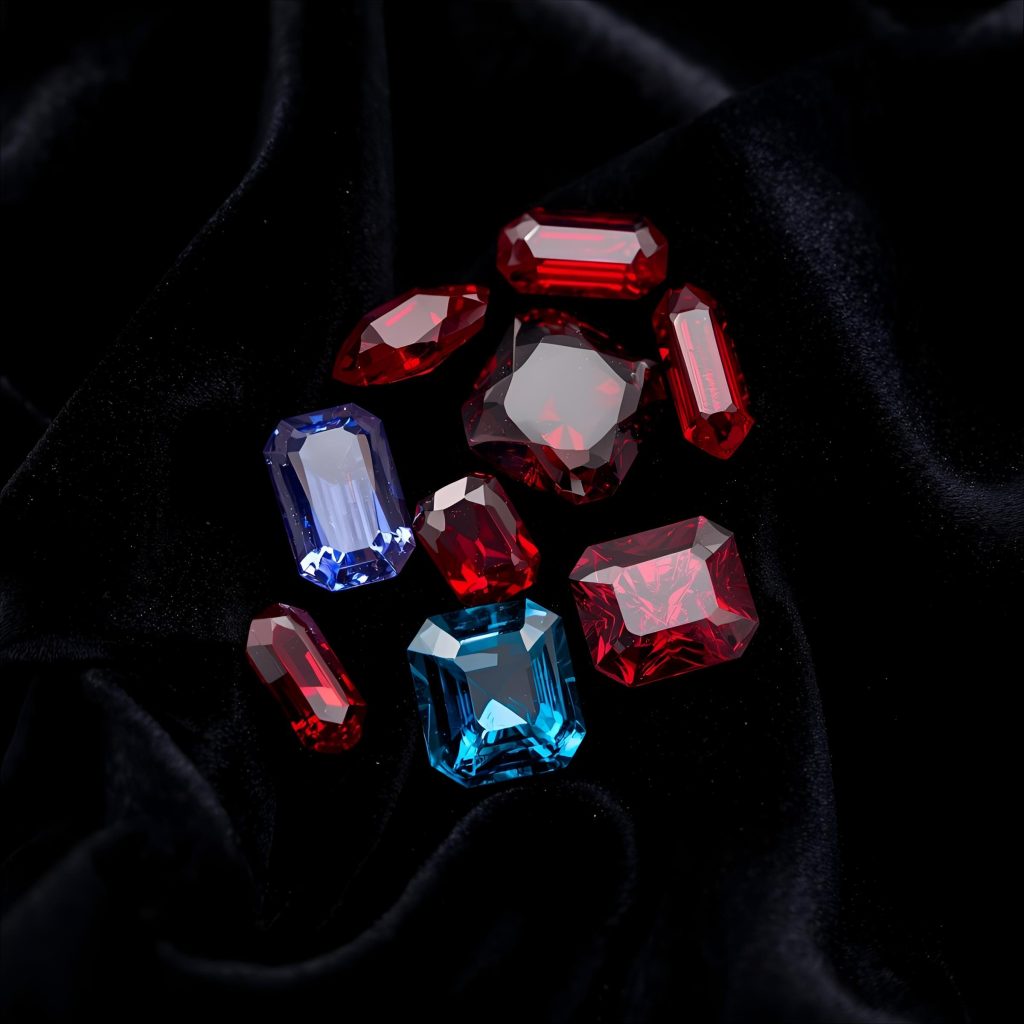
When people think of red gemstones, ruby usually comes to mind. Yet for centuries, another gem—spinel—was mistaken for ruby and sapphire. Today, loose spinel gemstones are finally gaining the recognition they deserve, offering brilliance, durability, and affordability compared to more famous stones.
What Makes Spinel Special?
Spinel belongs to a unique crystal system that produces exceptional clarity and fire. Unlike synthetic or treated stones, many blue spinel and red spinel gemstones found on the market are naturally vibrant and untreated. With a hardness of 8 on the Mohs scale, spinel is durable enough for everyday jewelry while being rarer than ruby in many cases.
Varieties of Spinel
1. Red Spinel
-
- Keywords: loose red spinel, spinel price
For centuries, red spinel adorned royal crowns, mistaken for ruby. The famous “Black Prince’s Ruby” in the British Crown Jewels is actually a large red spinel.
- Keywords: loose red spinel, spinel price
-
- Unlike ruby, red spinel tends to be more affordable, though fine-quality pieces still command strong prices.
-
- Buying loose red spinel allows jewelers to create custom designs that mimic rubies but at a more accessible cost.
2. Blue Spinel
-
- Keywords: blue spinel, blue spinel stone, spinel cobalt blue
Among all varieties, blue spinel stone is highly prized. Rare shades include cobalt blue, which rivals fine sapphire.
- Keywords: blue spinel, blue spinel stone, spinel cobalt blue
-
- Spinel cobalt blue gems are considered investment-grade, with prices steadily rising as supply dwindles.
-
- Blue spinel’s velvety luster and durability make it a favorite among gem collectors.
3. Lavender & Purple Spinel
-
- Keywords: lavender spinel, purple spinel
These pastel tones are increasingly popular in modern jewelry, offering a fresh alternative to traditional stones.
- Keywords: lavender spinel, purple spinel
-
- Lavender spinel has a delicate, romantic charm, while purple spinel often resembles amethyst but with greater brilliance.
-
- Designers love using these stones in engagement rings for their uniqueness.
4. Spinel Hearts and Custom Cuts
-
- Keywords: spinel heart
Carved and shaped spinel heart stones are popular for sentimental jewelry. These unique cuts highlight the gem’s brilliance and make perfect anniversary or engagement gifts.
- Keywords: spinel heart
Buying Spinel
-
- Keywords: buy spinel, buy spinel online
When looking to buy spinel gemstones, collectors often turn to trusted dealers who can provide certification. Loose spinel gemstones are especially popular, as they allow greater control over design and pricing.
Online platforms make it easier to buy spinel online, though it’s important to verify authenticity. As with other gems, untreated stones with strong color saturation are the most valuable.
Spinel Price Trends
-
- Red Spinel: $200–$2,000 per carat depending on size and clarity.
-
- Blue/Cobalt Spinel: $1,000–$8,000 per carat for fine cobalt blue specimens.
-
- Lavender/Purple Spinel: $150–$800 per carat, making them more affordable entry-level gems.
Compared to ruby or sapphire, spinel price remains accessible, but experts predict growth in value as buyers discover its rarity.
Symbolism and Beliefs
Throughout history, spinel has been linked to vitality and protection. Red spinel was believed to energize the wearer, while blue spinel is thought to calm the mind. Collectors today appreciate not only its beauty but also its symbolic connection to renewal and strength.
Caring for Spinel
Spinel is relatively tough, but proper care ensures longevity:
-
- Avoid harsh ultrasonic cleaners—stick to mild soap and water.
-
- Store loose spinel gemstones separately to prevent scratches.
-
- Protect from prolonged exposure to heat, which may alter colors.
Final Thoughts
Spinel may not yet have the fame of ruby or sapphire, but it’s quickly becoming a favorite among gemstone lovers. Whether someone is searching for the fiery glow of loose red spinel, the elegance of blue spinel stone, or the charm of lavender spinel, this gem offers incredible variety and value. For those willing to explore beyond mainstream gems, spinel represents both beauty and opportunity.
Part 8: Peridot – The Gem of Light and Renewal
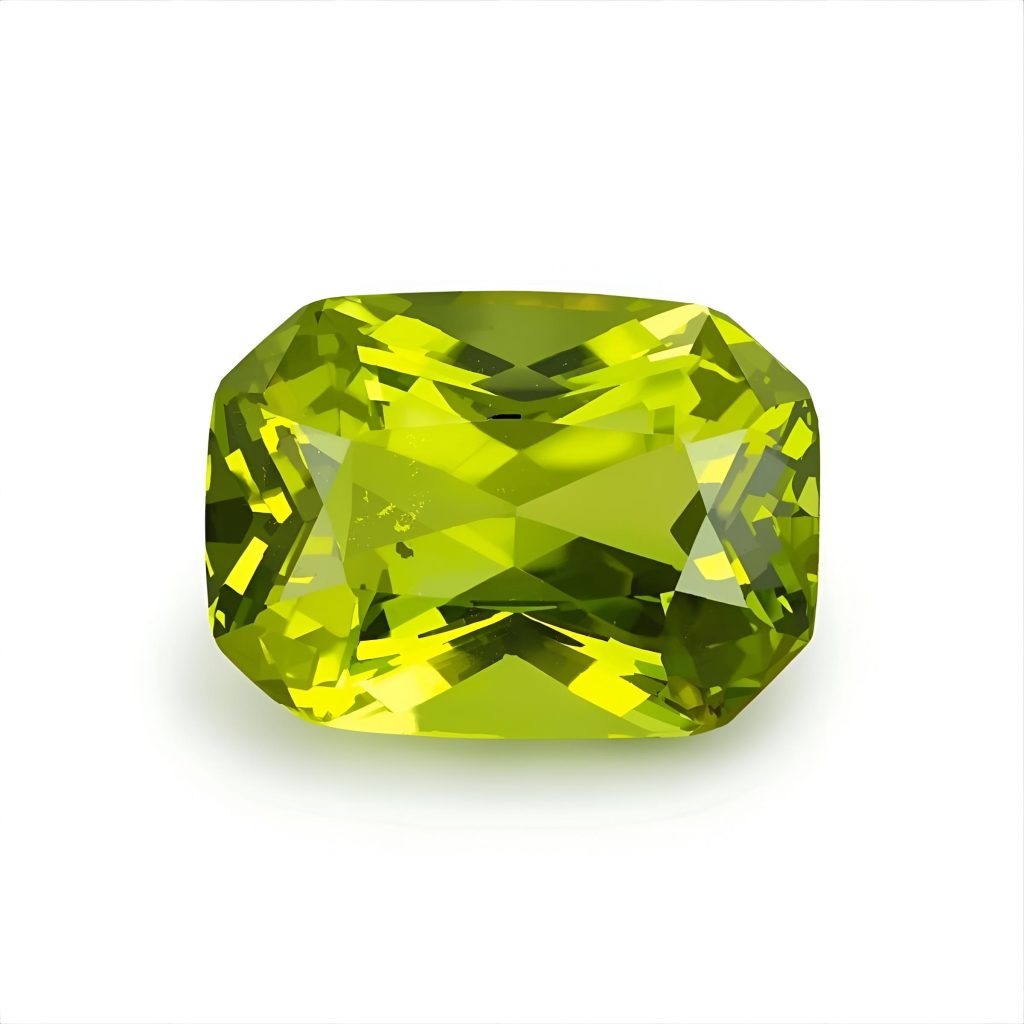
Peridot, often called the “gem of the sun,” is one of the few gemstones found in only one color: green. Known for its fresh, olive-to-lime shades, this gemstone has been cherished since ancient Egypt. Today, loose peridot stones are widely available, offering affordability alongside beauty, making them a favorite among both collectors and jewelry lovers.
What is Peridot?
Peridot is the gem-quality variety of the mineral olivine, formed deep in the earth’s mantle and brought to the surface by volcanic activity. Unlike stones like sapphire or tourmaline, new gemstones of peridot cannot be heat-treated or enhanced—its green color is entirely natural.
Historical Significance
The Egyptians mined peridot as early as 1500 B.C. on an island in the Red Sea, referring to it as the “stone of the sun.” Legends say Cleopatra’s famous emerald collection may have actually been peridot gemstones. Throughout history, it has been associated with protection from evil and the promotion of peace and harmony.
Colors and Characteristics
Peridot comes in shades ranging from yellow-green to olive green, sometimes even with a brownish tone. The intensity of color depends on the amount of iron in the crystal structure.
-
- Price of peridot tends to rise with deeper, richer green hues.
-
- Stones from regions like Pakistan (Kohistan and Kashmir) and Burma are particularly valued for their vivid colors.
Peridot Price and Value
-
- Keywords: price of peridot, peridot price
The peridot price depends on size, clarity, and color.
-
- Small calibrated stones (1–3 carats) often cost between $20–$50 per carat.
-
- Larger, top-quality stones (over 5 carats) may reach $400–$600 per carat.
-
- Exceptional Burmese and Pakistani stones can command even higher prices due to their rare, rich green tones.
Buyers should keep in mind that peridot is relatively affordable compared to emerald or sapphire, making it an excellent entry-level gem for collectors.
Popular Peridot Jewelry
1. Peridot Heart
-
- Keywords: peridot heart
Heart-shaped cuts in peridot are very popular for pendants and rings, often given as romantic gifts.
They symbolize renewal, love, and emotional balance.
- Keywords: peridot heart
2. Peridot in Modern Jewelry
Designers love peridot’s vibrant green because it pairs well with both gold and silver settings. Whether set in cabochons or faceted cuts, its unique color brings a refreshing touch to jewelry collections.
Peridot in the Market
-
- Keywords: peridot lagos
Cities like Lagos are well-known gemstone trading centers, where peridot lagos pieces are sold alongside other semi-precious stones. International buyers often purchase in bulk through such hubs for wholesale and custom jewelry.
Symbolism and Metaphysical Beliefs
Peridot is believed to carry healing and protective properties.
-
- Ancient people wore it as a talisman against evil spirits.
-
- Today, many believe it promotes prosperity, happiness, and good health.
-
- As the birthstone for August, it carries special significance for those born in that month.
How to Buy Loose Peridot Stones
When purchasing peridot, buyers should look for:
-
- Clarity: Peridot usually has minimal inclusions, but eye-clean stones are most valued.
-
- Cut: Fancy cuts like peridot heart enhance its appeal.
-
- Origin: Burmese and Pakistani origins command higher value.
-
- Certification: Always buy certified peridot to ensure authenticity and avoid imitations.
Caring for Peridot
Peridot is softer than sapphire or spinel, with a hardness of 6.5–7 on the Mohs scale.
-
- Avoid ultrasonic cleaners; instead, use warm soapy water and a soft brush.
-
- Protect from scratches by storing separately from harder gems.
-
- Avoid sudden temperature changes, which can cause cracks.
Final Thoughts
Peridot may not carry the same prestige as emerald or sapphire, but its charm lies in its natural freshness and affordability. Whether one is looking for a symbolic peridot heart, exploring peridot price trends, or simply appreciating its history, this gemstone remains a timeless favorite. Its unique green glow makes it stand out, offering a balance of beauty, symbolism, and value for collectors and jewelry enthusiasts alike.
Garnet – A Gem of Passion and Power
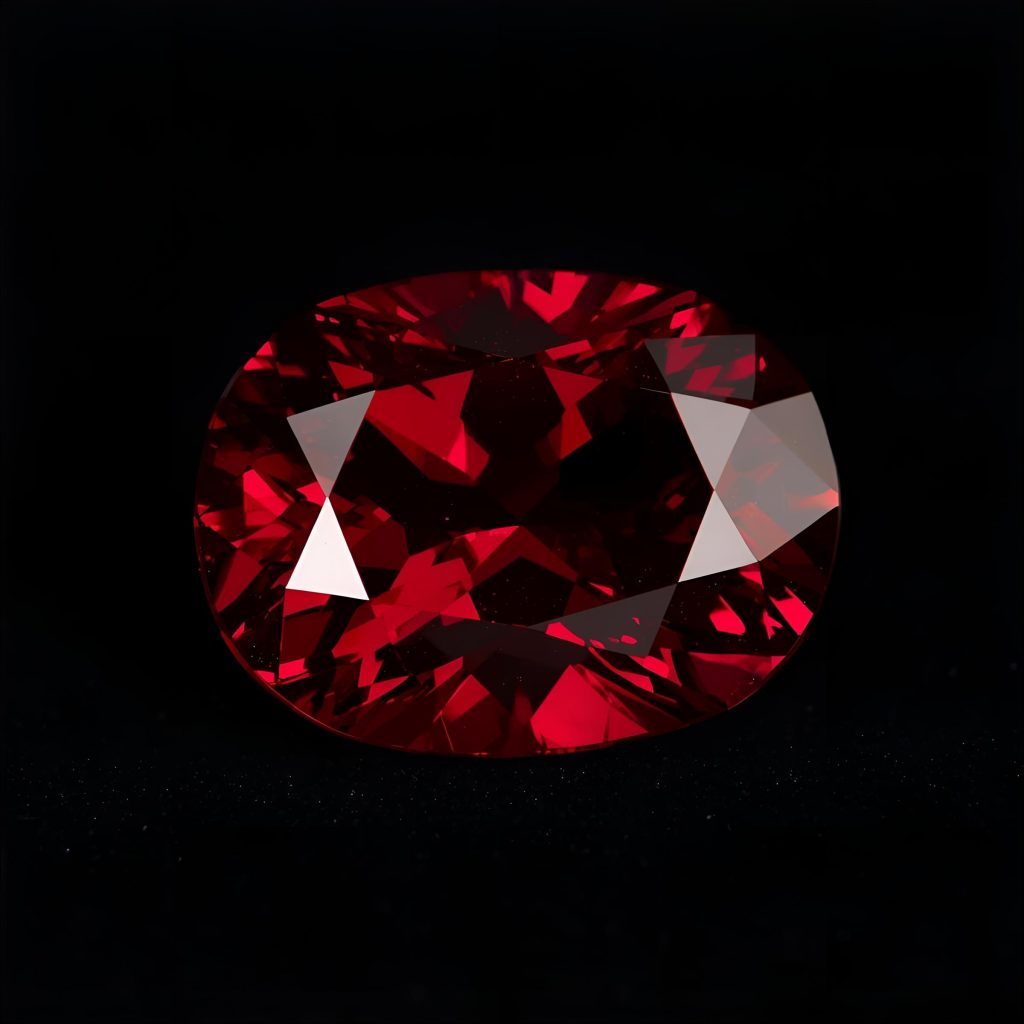
Few gemstones carry as much rich symbolism and historical reverence as garnet. Known for its deep red hue, but available in a spectrum of colors, garnet has been cherished since ancient times. Today, it remains one of the most affordable yet diverse gemstones, available in both loose garnets and finished jewelry.
What is Garnet?
Garnet is not a single mineral but a group of silicate minerals that share similar crystal structures. The most popular variety is the red pyrope garnet, but garnets can also appear in orange, green, purple, and even color-changing varieties.
Because of their wide availability, loose garnets are often one of the first stones beginner collectors purchase.
Historical Significance
Garnets have been used in jewelry since the Bronze Age. In Ancient Rome, garnet rings were exchanged as symbols of friendship and loyalty. Warriors wore them as talismans, believing they offered protection in battle.
During the Victorian era, garnets became fashionable in jewelry, especially in cluster designs. Their enduring symbolism of passion and power continues to attract wearers today.
Types of Garnets
-
- Pyrope Garnet – Rich red hue, often mistaken for ruby.
-
- Almandine Garnet – Deep red to brown-red, one of the most common.
-
- Spessartite Garnet – Vivid orange to reddish-orange stones.
-
- Grossular Garnet – Includes green varieties like tsavorite.
-
- Hessonite Garnet – Honey-brown to reddish-orange, often used in traditional jewelry.
-
- Keyword: hessonite garnet, hessonite garnet stone
-
- Hessonite Garnet – Honey-brown to reddish-orange, often used in traditional jewelry.
-
- Andradite Garnet – Includes demantoid garnet, prized for its brilliance.
Garnet Colors
While most people think of garnet as deep red, the gem comes in nearly every color except blue.
-
- Green garnets like tsavorite rival emerald in brilliance.
-
- Orange spessartite garnets are rare and vibrant.
-
- Purple garnets are collectible and unique.
This variety allows garnets to suit a wide range of personal tastes and budgets.
Garnet Price
-
- Keywords: garnet price, garnet stone price, garnet stone cost, how much are garnets
The garnet price depends heavily on the variety, size, and clarity:
-
- Common red garnets (pyrope, almandine) often sell for as little as $20–$50 per carat.
-
- Fine hessonite garnet stones range from $30–$150 per carat depending on color.
-
- Rare green tsavorites can cost $500–$3,000 per carat for top quality.
-
- Demantoid garnet, another rare type, is among the most expensive, sometimes surpassing emerald prices.
For those asking how much are garnets, the answer ranges from affordable to highly valuable, depending on the type and quality.
Loose Garnets in the Market
-
- Keywords: loose garnets, garnet for sale
Collectors and jewelers often buy loose garnets rather than pre-set jewelry. This allows them to control the design process, whether for rings, pendants, or investment purposes.
In global markets, garnet for sale is abundant, particularly in gem trading hubs like Jaipur, Bangkok, and New York. Wholesale purchases make it an accessible gemstone for new jewelers.
Symbolism and Spiritual Beliefs
Throughout history, garnets have symbolized passion, vitality, and strength.
-
- Associated with the root chakra, garnets are believed to ground energy and promote stability.
-
- Red garnets are tied to love and devotion.
-
- Hessonite garnet, especially in Indian traditions, is linked to creativity and prosperity.
Its deep hues have made it a symbol of enduring affection and commitment.
Garnet in Jewelry
Garnets are relatively hard (6.5–7.5 on the Mohs scale), making them durable enough for daily wear.
-
- Rings and pendants featuring garnets are popular for both men and women.
-
- Victorian-era garnet jewelry is highly collectible today.
-
- Hessonite garnet stone is often set in traditional jewelry, especially in South Asia.
Because of their affordability, garnets offer an entry point for buyers who want vibrant, natural gems without the high costs of sapphire or emerald.
Buying Guide for Garnet
When buying garnets, keep in mind:
-
- Color is King – Rich, vibrant hues increase value.
-
- Transparency – Clear stones without visible inclusions are more desirable.
-
- Variety – From common red to rare green and orange, each has its own pricing tier.
-
- Certification – Always ask for a gem certificate to confirm authenticity.
Caring for Garnets
To maintain their brilliance:
-
- Clean with warm, soapy water and a soft brush.
-
- Avoid ultrasonic cleaners with softer garnet types.
-
- Store separately from harder gems to prevent scratching.
Final Thoughts
Whether one is searching for loose garnets, exploring the garnet price, or investing in rare types like hessonite garnet, this gem remains one of the most versatile in the market. With its affordability, rich symbolism, and wide color range, garnet continues to inspire both jewelers and collectors.
For buyers asking how much garnets are, the answer is simple: there’s a garnet for every budget, from modest to extravagant.
Topaz & Aquamarine – Buying Loose Stones, Prices, and Tips
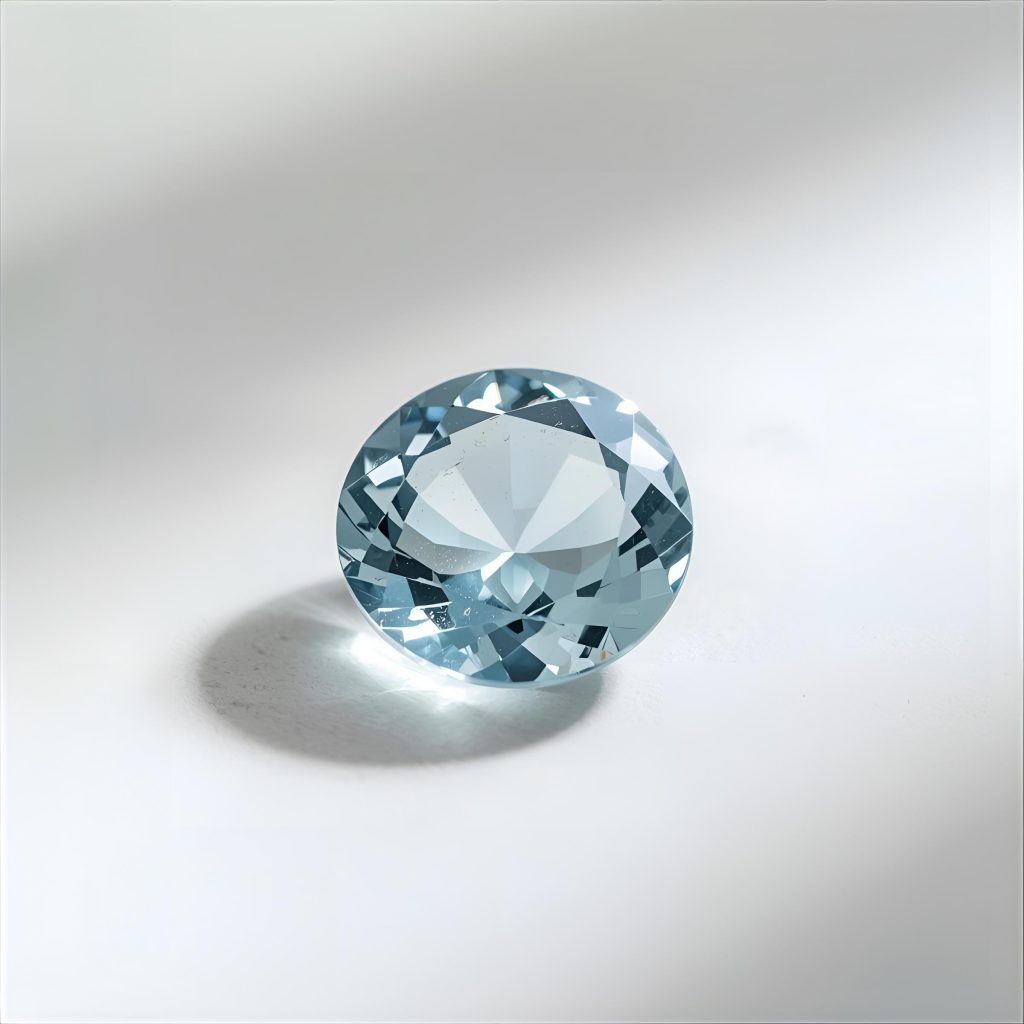
Topaz and aquamarine are two of the most popular gemstones among collectors, jewelry designers, and investors. Whether you’re looking for a loose aquamarine stone for a custom ring or a fancy blue topaz for a pendant, understanding these gemstones, their varieties, and market trends is crucial. This guide will cover everything from buying tips to price considerations, helping you make informed decisions.
What Are Topaz and Aquamarine?
Topaz is a silicate mineral known for its brilliance, clarity, and a wide range of colors. While colorless topaz is common, the blue variety—especially the fancy blue topaz—is highly prized in the jewelry market. Topaz is durable (Mohs hardness of 8), making it suitable for everyday jewelry.
Aquamarine, a member of the beryl family, is best known for its serene blue-green colors reminiscent of the ocean. Its name comes from the Latin aqua marina, meaning “sea water.” Aquamarine stones are naturally transparent and often free of inclusions, which makes them ideal for faceted jewelry designs. They are also relatively durable, with a Mohs hardness of 7.5–8.
Popular Varieties & Colors
Topaz
-
- Blue Topaz: Ranges from pale sky blue to deep London blue. Popular for rings, pendants, and earrings.
-
- Fancy Blue Topaz: Treated to achieve vivid blue shades, widely available in jewelry markets.
-
- Imperial Topaz: Rare, natural orange, pink, or reddish hues. High-value gemstone for collectors.
Aquamarine
-
- Light Blue Aquamarine: Commonly used in jewelry, often enhanced with heat treatment for clarity.
-
- Deep Blue Aquamarine: More rare and valuable; often found in Brazilian deposits.
-
- Loose Aquamarine Stones: Available in various sizes and cuts for custom jewelry designs.
Keywords naturally included: loose aquamarine, loose aquamarine stones, fancy blue, .7 carat aquamarine.
Buying Loose Topaz and Aquamarine Stones
Buying loose gemstones, whether topaz or aquamarine, requires careful attention to quality, source, and certification. Here’s what to keep in mind:
-
- Check Color and Clarity
-
- Blue topaz is often treated to enhance color. Ensure the treatment is disclosed by the seller.
-
- Aquamarine clarity should be eye-clean, without visible inclusions.
-
- Check Color and Clarity
-
- Cut and Shape
-
- Both topaz and aquamarine are commonly faceted to enhance brilliance. Cuts include oval, round, emerald, and pear.
-
- Cabochon cuts (smooth, polished stones) are less common but appreciated in certain jewelry styles.
-
- Cut and Shape
-
- Certification
-
- Always ask for a certificate from a trusted gemological lab (GIA, IGI, or AGS) for high-value stones.
-
- Certification confirms authenticity, treatment disclosure, and carat weight.
-
- Certification
-
- Where to Buy
-
- Wholesale Markets: Places like NYC gemstone district offer loose stones at competitive prices.
-
- Online Platforms: Trusted online stores and gemstone dealers provide a wide selection. Look for seller reviews and clear return policies.
-
- Where to Buy
Keywords naturally included: buy loose gemstones, buy loose gemstones online, where to buy loose gemstones.
Price Considerations
The price of topaz and aquamarine depends on several factors:
-
- Carat Weight
-
- Larger stones command higher per-carat prices. For example, a .7 carat aquamarine will cost significantly less than a 5-carat gem, even if the color is similar.
-
- Carat Weight
-
- Color Quality
-
- Deep blue aquamarines and London blue topaz are more valuable than lighter shades.
-
- Color Quality
-
- Clarity and Cut
-
- Eye-clean stones with precise cuts maximize brilliance and market value.
-
- Clarity and Cut
-
- Origin
-
- Aquamarine from Brazil and topaz from Brazil or Pakistan is often more sought after due to quality and color consistency.
-
- Origin
-
- Market Trends
-
- Fancy blue topaz is consistently in demand for jewelry designers, while aquamarine’s popularity spikes in high-fashion collections and custom engagement rings.
-
- Market Trends
Keywords naturally included: fancy blue, loose aquamarine, .7 carat aquamarine.
Tips for Investing in Topaz and Aquamarine
-
- Buy Certified Stones: Ensures authenticity and protects against low-quality treatments.
-
- Consider the Market: While topaz is widely available, aquamarine is rarer and may appreciate in value if sourced in premium colors and sizes.
-
- Compare Prices: Check multiple sellers, both offline and online, to find the best combination of price and quality.
-
- Focus on Long-Term Value: Stones with excellent clarity, rare colors, and proper certification are more likely to retain or increase value over time.
Popular Uses
-
- Custom Jewelry: Both stones are ideal for rings, earrings, necklaces, and bracelets.
-
- Collector’s Items: High-quality aquamarine and topaz stones are often collected for their rarity and beauty.
-
- Gifts and Investments: Their vibrant colors and relative affordability make them popular choices for gifting and investment purposes.
Keywords naturally included: loose stones, loose precious stones, natural gemstones, buy semi precious stones.
Conclusion
Topaz and aquamarine are versatile gemstones offering beauty, durability, and investment potential. Whether purchasing a fancy blue topaz or a .7 carat aquamarine, it’s essential to consider color, clarity, cut, certification, and source. Buying from trusted sellers, either in NYC wholesale markets or online platforms, ensures you acquire authentic, high-quality stones.
Where to Buy Loose Gemstones Safely – NYC, Online, and Trusted Sellers
Buying loose gemstones is an exciting venture, whether for investment, custom jewelry, or personal collection. However, the market also has risks, including low-quality stones, misrepresented treatments, or outright scams. This guide will help you navigate both physical and online gemstone markets, focusing on safety, authenticity, and the best practices for purchasing high-quality stones.
Understanding the Market
The gemstone market is vast and diverse. Stones like sapphire, ruby, emerald, tanzanite, spinel, garnet, topaz, aquamarine, peridot, and tourmaline are available in multiple qualities and price ranges. Buyers must understand the differences between:
-
- Natural vs Treated Stones: Many gemstones undergo heat treatment or other enhancements. Certification ensures you know what you are buying.
-
- Precious vs Semi-Precious Stones: While rubies, sapphires, and emeralds are precious, stones like peridot, spinel, and aquamarine fall into the semi-precious category but can still be valuable.
-
- Certified vs Non-Certified Stones: A certified gemstone comes with a laboratory report confirming its authenticity, color, clarity, carat, and treatment.
Keywords naturally included: natural gemstones, loose precious stones, buy semi precious stones, certified tanzanite, loose stones.
Buying Loose Gemstones in NYC
New York City is one of the world’s premier gemstone hubs. From wholesale districts to specialty shops, buyers have access to a vast selection of loose gemstones.
NYC Wholesale Markets
-
- Diamond District (47th Street, Manhattan):
-
- While primarily known for diamonds, many shops sell loose gemstones, including sapphires, rubies, emeralds, and aquamarines.
-
- Advantages: Competitive pricing, ability to inspect stones in person, and access to wholesale dealers.
-
- Tips: Always ask for certification and check multiple vendors for price comparison.
-
- Diamond District (47th Street, Manhattan):
-
- Specialty Gemstone Shops in Manhattan:
-
- Certain stores focus exclusively on colored gemstones. You can find loose precious stones, loose gems, and semi-precious stones in various cuts and sizes.
-
- Benefits: Personalized service, guidance from experienced gemologists, and assurance of authenticity.
-
- Specialty Gemstone Shops in Manhattan:
-
- NYC Auctions & Trade Shows:
-
- Auctions often include high-quality or rare loose stones, including emeralds, rubies, and tanzanite.
-
- Trade shows allow buyers to network with wholesalers and see a wide selection in one place.
-
- NYC Auctions & Trade Shows:
Keywords naturally included: new york gemstone, wholesale gemstones nyc, loose gems, loose stones for sale.
Buying Loose Gemstones Online
Online platforms have made it easier than ever to buy gemstones from the comfort of home. However, safety is a major concern, so consider these points:
Trusted Online Stores
-
- Look for sellers with transparent policies, clear product images, and customer reviews.
-
- Verified labs: Ensure stones come with certification from recognized gemological labs like GIA, IGI, or AGS.
-
- Return policy: Check if the seller allows returns if the stone does not match the description.
Tips for Online Buying
-
- Check Seller Reputation: Look for years in business, reviews, and ratings. Avoid platforms with little to no feedback.
-
- Request Certification: For high-value stones like loose tanzanite, emeralds, or rubies, insist on lab certification.
-
- Compare Prices: Cross-reference multiple platforms to ensure you are paying a fair market price.
-
- Ask Questions: Inquire about treatment, origin, cut, and clarity. A reputable seller will provide detailed answers.
Keywords naturally included: buy loose gemstones online, where to buy loose gemstones, buy tanzanite gemstone, loose tanzanite gemstones, loose precious gemstones.
How to Verify Authenticity
Buying safely requires careful verification:
-
- Certification: Always check for a recognized lab report detailing carat, clarity, color, origin, and treatment.
-
- Physical Inspection: If possible, examine the gemstone in person under magnification. Look for inclusions, chips, and color consistency.
-
- Gemstone Education: Learn about common treatments and natural characteristics. For example:
-
- Sapphires may be heat-treated to enhance color.
-
- Tanzanite often undergoes heat treatment for the rich blue-violet hue.
-
- Aquamarine may be lightly heat-treated to improve clarity.
-
- Gemstone Education: Learn about common treatments and natural characteristics. For example:
Keywords naturally included: natural gemstones, certified tanzanite, loose sapphire, loose stones.
Avoiding Fraud and Common Pitfalls
Gemstone fraud is not uncommon. Here’s how to protect yourself:
-
- Too Good to Be True Deals: Extremely low prices often indicate synthetic or imitation stones.
-
- No Certification: Never buy high-value stones like emeralds or tanzanite without proper certification.
-
- Unclear Origin: Some sellers may misrepresent origin (e.g., claiming Colombian emeralds when they are not).
-
- Unsecure Payment: Use trusted payment methods that offer buyer protection.
Keywords naturally included: buy loose gemstones, loose stones for sale, loose precious stones, gems usa.
Recommended Practices
-
- Start Small: If new to gemstone buying, start with lower-value stones like peridot or garnet to practice.
-
- Build Relationships: Trusted dealers often offer better deals to repeat customers.
-
- Keep Records: Maintain receipts, certificates, and photographs for insurance and future valuation.
-
- Educate Yourself: Read guides on each gemstone type, including market trends, rarity, and color grading.
Keywords naturally included: buy semi precious stones, loose gems, peridot price, garnet for sale.
Summary
Buying loose gemstones safely requires a mix of knowledge, vigilance, and trusted sourcing. Whether shopping in NYC wholesale markets or online, follow these key steps:
-
- Verify authenticity with certifications.
-
- Inspect stones physically if possible.
-
- Check the seller’s reputation and reviews.
-
- Compare prices across multiple sources.
-
- Understand treatments and origin for each gemstone.
By following these practices, you can confidently purchase loose precious stones, loose semi-precious stones, and rare gemstones while minimizing risk. Whether your goal is investment, custom jewelry, or collection, safe buying ensures value, authenticity, and satisfaction.
Gemstone Prices & Market Trends – Factors, Comparisons, and Investment Potential
Understanding gemstone prices and market trends is essential for anyone looking to buy loose gemstones. Prices vary significantly depending on type, quality, size, origin, and current market demand. Whether you’re buying loose sapphires, tanzanite, rubies, emeralds, or semi-precious stones, knowing the factors influencing pricing and market trends will help you make informed purchases and even profitable investments.
Key Factors Affecting Gemstone Prices
Gemstone pricing is complex and depends on multiple factors, most of which revolve around the 4Cs—Color, Clarity, Cut, and Carat weight. Additionally, origin, rarity, and certification play crucial roles.
1. Color
-
- Primary Factor: Color is often the most critical factor affecting value.
-
- Precious Stones:
-
- Emerald: Deep green with high saturation is the most valuable.
-
- Ruby: Rich red, ideally with a slightly purplish hue.
-
- Sapphire: Cornflower blue or vivid green sapphires command high prices.
-
- Precious Stones:
-
- Semi-Precious Stones:
-
- Tanzanite: Deep blue-violet shades are most desirable.
-
- Tourmaline: Paraiba tourmaline with neon-blue or green hues is extremely rare and expensive.
-
- Semi-Precious Stones:
2. Clarity
-
- Eye-clean gemstones—those without visible inclusions—are more valuable.
-
- In emeralds, some inclusions are expected, but excessive inclusions reduce price.
-
- Stones like aquamarine and tanzanite are valued for their transparency.
3. Cut
-
- A well-cut gemstone enhances brilliance and color, increasing market value.
-
- Popular cuts include oval, round, pear, emerald, and cushion.
-
- Cabochon cuts are sometimes used for opaque stones like spinel or certain topaz varieties.
4. Carat Weight
-
- Larger stones cost more per carat.
-
- For example, a 1-carat Ceylon sapphire may be more expensive per carat than a 0.5-carat stone of similar quality.
5. Origin
-
- Certain origins are more prestigious and drive prices higher.
-
- Colombian emeralds, Burmese rubies, and Ceylon sapphires are highly valued.
-
- Paraiba tourmaline from Brazil or Mozambique is extremely rare.
-
- Certain origins are more prestigious and drive prices higher.
6. Certification
-
- Certified stones are generally more expensive because the buyer is assured of authenticity and quality.
-
- Reputable labs include GIA, IGI, and AGS.
Keywords naturally included: loose precious stones, natural gemstones, certified tanzanite, cabochon emerald, colombian emeralds for sale, ceylon sapphire price.
Market Trends: Which Gemstones Are Appreciating
The gemstone market changes based on supply, demand, and global trends. Here’s a breakdown of current trends:
Precious Stones
-
- Emeralds
-
- Deep green, Colombian emeralds continue to appreciate in value due to rarity and high demand among collectors.
-
- Prices are influenced heavily by color and clarity.
-
- Emeralds
-
- Rubies
-
- High-quality Burmese rubies remain among the most expensive gemstones per carat.
-
- The market favors untreated rubies over heat-treated ones.
-
- Rubies
-
- Sapphires
-
- Cornflower blue and teal sapphires are in demand.
-
- Ceylon sapphires, especially untreated, maintain stable prices and are sought after by investors.
-
- Sapphires
Semi-Precious Stones
-
- Tanzanite
-
- Tanzanite is rare, found only in Tanzania, making it a strong investment stone.
-
- Certified tanzanite and stones with deep blue-violet color are in high demand.
-
- Tanzanite
-
- Tourmaline
-
- Paraiba tourmaline is extremely rare; neon-blue and green varieties fetch record prices.
-
- Pink and peach tourmaline also show strong market interest, particularly for jewelry designers.
-
- Tourmaline
-
- Spinel, Peridot, Topaz, and Aquamarine
-
- Spinel’s popularity is rising due to its bright colors and durability.
-
- Peridot and aquamarine maintain steady prices, appealing mostly to jewelry makers rather than investors.
-
- Fancy blue topaz remains widely available and affordable, though less of an investment asset.
-
- Spinel, Peridot, Topaz, and Aquamarine
Price Comparisons Across Gemstones
| Gemstone | Price Range (Per Carat) | Notes |
| Ruby (Burmese, high quality) | $1,000 – $10,000+ | Untreated rubies are much more valuable |
| Emerald (Colombian, deep green) | $500 – $5,000+ | Eye-clean, vivid green preferred |
| Sapphire (Ceylon blue) | $200 – $5,000 | Depends on color and clarity |
| Tanzanite (certified, vivid) | $200 – $1,200 | Rare due to limited source |
| Paraiba Tourmaline | $2,000 – $20,000+ | Neon blue/green very rare |
| Spinel (red, cobalt blue) | $100 – $800 | Rising interest among collectors |
| Peridot | $50 – $500 | Semi-precious, steady demand |
| Aquamarine | $100 – $1,000 | Value rises for deep blue and large sizes |
| Fancy Blue Topaz | $20 – $200 | Common, mostly for jewelry, not investment |
Keywords naturally included: loose gemstones, cabochon ruby, ruby price, emerald price, loose garnets, garnet stone price.
Investment Potential
-
- High-Value Investment Stones: Burmese rubies, Colombian emeralds, Ceylon sapphires, and Paraiba tourmaline.
-
- Moderate Investment Stones: Tanzanite, spinel, aquamarine, pink tourmaline.
-
- Low Investment but High Jewelry Value: Peridot, fancy blue topaz, garnet.
Tips for Investing:
-
- Buy certified stones to ensure authenticity.
-
- Focus on rare colors and high-quality cuts.
-
- Track market trends regularly; prices fluctuate based on global supply and demand.
-
- Store stones securely and maintain certificates for valuation purposes.
Keywords naturally included: buy loose gemstones, loose precious stones, natural gemstones, loose tanzanite stones, buy loose gemstones online, pink tourmaline color.
Understanding gemstone prices and market trends is essential for both buyers and investors. The value of a gemstone depends on color, clarity, cut, carat, origin, and certification. While rubies, emeralds, and sapphires dominate the investment market, stones like tanzanite, spinel, and Paraiba tourmaline are emerging as strong contenders. Semi-precious stones such as aquamarine, peridot, and fancy blue topaz are widely used in jewelry but offer moderate investment potential.
Conclusion & Buyer’s Final Tips – Your Ultimate Guide to Buying Loose Gemstones
Buying loose gemstones can be an exciting and rewarding experience. From sapphires, rubies, and emeralds to tanzanite, tourmaline, spinel, garnet, topaz, aquamarine, and peridot, these stones offer beauty, investment potential, and versatility for custom jewelry. However, the process requires knowledge, careful selection, and awareness of market trends. This final section summarizes the key points, offers practical buying tips, and ensures you feel confident in making informed purchases.
1. Recap of Key Points
Understanding Loose Gemstones
-
- Definition: Loose gemstones are individual stones that are not set in jewelry, available in various cuts, sizes, and colors.
-
- Types: Precious (sapphire, ruby, emerald) and semi-precious (tanzanite, spinel, tourmaline, aquamarine, peridot).
-
- Purpose of Buying: Investment, custom jewelry, collection, or gifting.
Factors Affecting Value
-
- Color: The most critical factor for all gemstones. Deep, vivid colors command higher prices.
-
- Clarity: Eye-clean stones with minimal inclusions are preferred.
-
- Cut: A well-cut gemstone enhances brilliance and overall appeal.
-
- Carat Weight: Larger stones are priced higher per carat.
-
- Origin & Rarity: Certain origins (Colombian emeralds, Burmese rubies, Ceylon sapphires, Paraiba tourmaline) increase value.
-
- Certification: Verified gemstones ensure authenticity, proper treatment disclosure, and accurate grading.
Keywords naturally included: loose gemstones, natural gemstones, loose precious stones, certified tanzanite, cabochon ruby, ruby loose stone, emerald price.
2. Tips for Buying Loose Gemstones Safely
Whether shopping offline in NYC or online, following these tips will minimize risks:
A. Choose Reputable Sellers
-
- Wholesale Gemstone Dealers in NYC: Manhattan’s Diamond District and specialized gemstone stores offer reliable options.
-
- Online Platforms: Verified dealers with transparent policies, customer reviews, and lab certifications.
Keywords naturally included: wholesale gemstones nyc, new york gemstone, buy loose gemstones online, where to buy loose gemstones.
B. Verify Certification
-
- Always request certificates from recognized labs (GIA, IGI, AGS).
-
- Certification ensures the gemstone’s type, carat, clarity, color, origin, and treatments are accurate.
-
- High-value stones like tanzanite, emeralds, rubies, and sapphires should always come certified.
Keywords naturally included: certified tanzanite, loose tanzanite gemstones, colombian emeralds for sale, ceylon sapphire price.
C. Understand Treatments
-
- Heat treatments, irradiation, or color enhancements are common in gemstones.
-
- Ensure all treatments are disclosed to avoid overpaying or buying misrepresented stones.
-
- Untreated stones often command higher prices.
Keywords naturally included: untreated sapphire, tanzanite stones for sale, loose spinel gemstones.
D. Inspect Stones Carefully
-
- Examine cut, clarity, and color in person when possible.
-
- Use magnification or a jeweler’s loupe to detect inclusions, chips, or color inconsistencies.
-
- Online buyers should request high-resolution images from multiple angles.
Keywords naturally included: loose stones, loose precious stones, loose gems, natural gemstones.
E. Compare Prices
-
- Compare multiple sellers for similar stones.
-
- Research current market trends to understand fair pricing for precious and semi-precious gemstones.
-
- Remember that larger stones or rare colors typically command premium pricing.
Keywords naturally included: price of peridot, tanzanite price per carat, ruby sell, sapphire for sale.
F. Protect Your Investment
-
- Keep certificates, receipts, and photographs for insurance or future resale.
-
- Store stones securely in a safe or lockable jewelry box.
-
- Consider periodic professional appraisal for high-value stones.
Keywords naturally included: buy loose gemstones, loose precious stones, natural gemstones, gems usa.
3. Tips for Selecting the Right Gemstone
Match Your Purpose
-
- Jewelry: Choose stones with high clarity, vibrant colors, and well-cut facets.
-
- Investment: Prioritize rare colors, certified high-quality stones, and provenance from respected origins.
-
- Collection: Focus on variety, unique cuts, or limited edition stones.
Focus on Quality Over Size
-
- A smaller, top-quality stone often looks better and retains value more than a larger, lower-quality stone.
-
- For example, a 0.7 carat aquamarine with deep blue color may be more valuable than a 2-carat pale stone.
Keywords naturally included: .7 carat aquamarine, loose aquamarine stones, pink tourmaline stone, paraiba tourmaline stones for sale.
Learn Gemstone Characteristics
-
- Educate yourself on each gemstone type, including:
-
- Common treatments
-
- Color grading
-
- Origin significance
-
- Market demand and trends
-
- Educate yourself on each gemstone type, including:
Keywords naturally included: tanzanite stones for sale, loose tanzanite stones, loose sapphire, pink tourmaline color.
4. Summary of Market Trends
-
- Appreciating Gems: Burmese rubies, Colombian emeralds, Ceylon sapphires, Paraiba tourmaline, and certified tanzanite.
-
- Steady Demand: Spinel, aquamarine, fancy blue topaz, and pink tourmaline remain popular but moderate in investment potential.
-
- Affordable Options: Peridot, garnet, and standard blue topaz are great for jewelry enthusiasts with lower budgets.
Keywords naturally included: loose precious stones, fancy blue, garnet stone price, peridot price, Ceylon sapphire, ruby oval stone.
5. Final Checklist for Buyers
Before purchasing any loose gemstone, ensure the following:
-
- Verify Certification: GIA, IGI, or AGS lab report.
-
- Inspect Color, Clarity, and Cut: Eye-clean, well-cut stones are preferable.
-
- Confirm Treatments: Ensure all enhancements are disclosed.
-
- Check Seller Reputation: Trusted dealers and verified online platforms only.
-
- Compare Prices: Research market trends to avoid overpaying.
-
- Understand Purpose: Choose stones suitable for jewelry, investment, or collection.
-
- Maintain Records: Keep certificates, receipts, and photos for insurance or resale