Introduction to Tanzanite
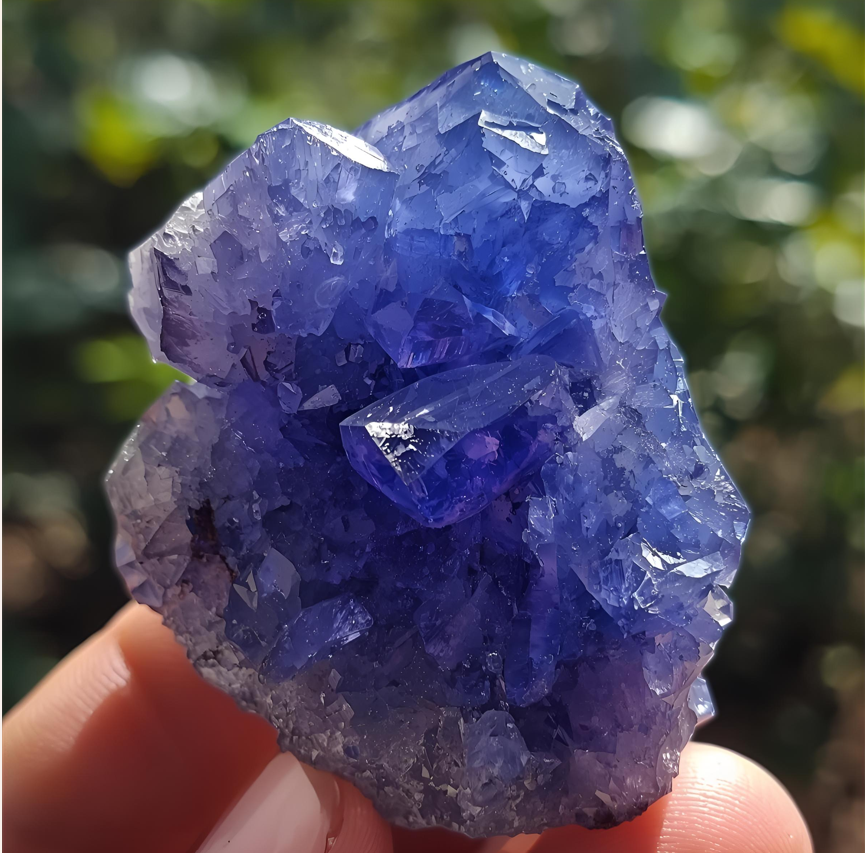
Tanzanite is one of the most fascinating and rare gemstones in the world. Unlike diamonds, sapphires, or rubies that can be found in several countries, tanzanite has only a single known source: the foothills of Mount Kilimanjaro in Tanzania. This extreme rarity, combined with its captivating violet-blue to deep indigo hues, makes it one of the most desirable gems for collectors, investors, and jewelry enthusiasts alike.
Discovered in 1967, tanzanite quickly gained worldwide recognition. The famous jewelry company Tiffany & Co. introduced it to the international market and gave it the name Tanzanite, after its country of origin. Since then, it has become known as the “gemstone of the 20th century” because of its relatively recent discovery and fast rise in popularity.
What Makes Tanzanite Unique?
One of the most extraordinary features of tanzanite is its pleochroism — the ability to display different colors when viewed from different angles. A single stone can show flashes of blue, violet, and even reddish tones depending on the cut and lighting. Some varieties also exhibit greenish hues or a phenomenon known as color change tanzanite, where the gemstone shifts color under different light sources.
This unique play of colors, along with its rarity, separates tanzanite from other gemstones. Unlike sapphire, which has many sources worldwide, all genuine tanzanite originates from a small region in Tanzania. Experts often point out that the tanzanite deposit could be depleted within the next few decades, making every stone mined today increasingly valuable.
Tanzanite as a Modern Gemstone
Tanzanite is often described as a modern gemstone because of its short history compared to ancient gems like emeralds or rubies. In just a few decades, however, it has become a global favorite. It was even designated as a December birthstone by the American Gem Trade Association, sharing the honor with turquoise and zircon. This official recognition further boosted its popularity, especially in the United States.
The gem is widely used in rings, pendants, earrings, and bracelets, often as a center stone due to its intense color. Jewelry designers love working with it because of its wide range of shades, from light lavender to deep royal blue.
Why People Buy Tanzanite Stones
People purchase tanzanite for several reasons:
- Personal Jewelry – Loose tanzanite gemstones are often purchased to create customized rings, necklaces, or earrings.
- Investment – Because of its limited supply, collectors buy tanzanite stones for long-term value appreciation.
- Symbolism & Gifting – Tanzanite is associated with transformation, spiritual growth, and wisdom. It is also a popular gift for 24th wedding anniversaries and December birthdays.
- Rarity Appeal – Unlike gemstones mined globally, the fact that all tanzanite comes from one location adds an exclusivity that attracts buyers.
Tanzanite in the Global Market
Today, tanzanite stones for sale can be found both online and in jewelry stores worldwide. Collectors and buyers often prefer loose tanzanite stones or loose tanzanite gemstones so they can customize their jewelry design. Many enthusiasts also search specifically for certified tanzanite, ensuring that the gem they purchase is genuine and ethically sourced.
The demand for this gemstone has been steadily rising, and so have prices. While smaller stones are still affordable, large and deep-colored specimens have become increasingly rare and expensive. Buyers frequently research topics like tanzanite price and tanzanite price per carat before making a purchase, since values can vary depending on quality, size, and origin.
Unique Properties of Tanzanite
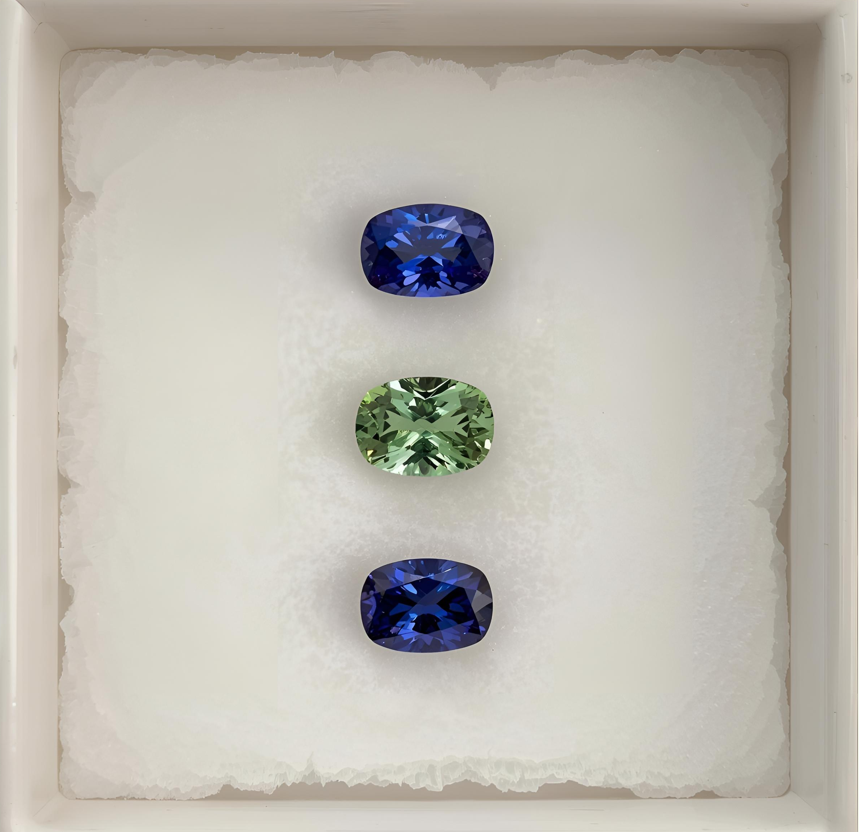
Tanzanite is not just admired for its beauty—it is also scientifically and symbolically unique. From its optical effects to its geological rarity, every aspect of this gemstone contributes to its allure and high demand among buyers and collectors.
Pleochroism – The Signature Feature
Perhaps the most fascinating property of tanzanite is its pleochroism, a natural optical effect where the stone displays different colors depending on the viewing angle and type of light.
- Under natural daylight, tanzanite usually appears deep blue with violet undertones.
- In incandescent or artificial light, it often shifts toward purple, red-violet, or even burgundy hues.
- Certain specimens also display flashes of green tanzanite tones, particularly when viewed under mixed lighting conditions.
This multi-dimensional color effect makes every loose tanzanite stone truly one-of-a-kind. Jewelers and cutters take special care when cutting the gem to highlight its most desirable colors, usually maximizing the blue-violet spectrum that buyers prefer.
Color Spectrum – From Blue to Green
While tanzanite is most famous for its vibrant blue and violet shades, it can also occur in lighter or unusual tones:
- Deep Royal Blue – The most valuable and sought-after color, often commanding the highest tanzanite price per carat.
- Violet-Purple Tanzanite – Popular for its soft, feminine appeal.
- Color Change Tanzanite – A rare variety that shifts distinctly between two different colors depending on light sources, making it especially appealing to collectors.
- Green Tanzanite – An uncommon but intriguing variation that fascinates gem enthusiasts seeking something unique.
The color quality often determines the gem’s value. Stones with rich saturation and vivid color fetch premium prices, while lighter shades remain more affordable.
Rarity & Geographic Exclusivity
Unlike gemstones such as sapphire or ruby, which have multiple global sources, all tanzanite gemstones come from a single location—the Merelani Hills in northern Tanzania. This region, near Mount Kilimanjaro, is the only place in the world where tanzanite is mined commercially.
Experts estimate that the tanzanite deposit may be depleted within a few decades, making the gemstone not only rare but also finite in supply. This exclusivity adds to its investment potential, driving demand for loose tanzanite stones and certified tanzanite in both local and international markets.
Symbolism & Spiritual Meaning
Tanzanite is often associated with:
- Transformation & New Beginnings – Many believe the stone represents life changes, making it a popular gift for significant milestones.
- Spiritual Awareness – In crystal healing traditions, tanzanite is thought to enhance intuition, creativity, and meditation practices.
- Emotional Healing – Its calming blue tones are said to relieve stress and promote harmony in relationships.
This spiritual symbolism adds emotional value for buyers who choose tanzanite not just for beauty, but also for meaning.
Tanzanite vs. Other Blue Gemstones
Tanzanite is often compared to sapphire, given their similar blue hues. However, there are key differences:
- Tanzanite has a softer, velvety glow with pleochroic effects, while sapphire offers a more uniform deep blue.
- Tanzanite price per carat is generally lower than high-quality sapphire, making it an affordable luxury for those who want brilliance without the extreme cost.
- Exclusivity – Tanzanite’s single-source origin makes it rarer than sapphire, which is mined in multiple countries.
This comparison helps buyers understand why many prefer to buy tanzanite gemstones instead of sapphires when looking for uniqueness and affordability.
Why Jewelers Love Tanzanite
Jewelers and designers often prefer loose tanzanite gemstones for custom creations. Its wide range of hues allows for creative jewelry designs, and its moderate hardness (6–7 on the Mohs scale) makes it workable for intricate cuts.
From tanzanite stones for sale in wholesale markets to bespoke fine jewelry, designers see it as a versatile stone that balances rarity, beauty, and affordability.
Tanzanite Prices & Market Value
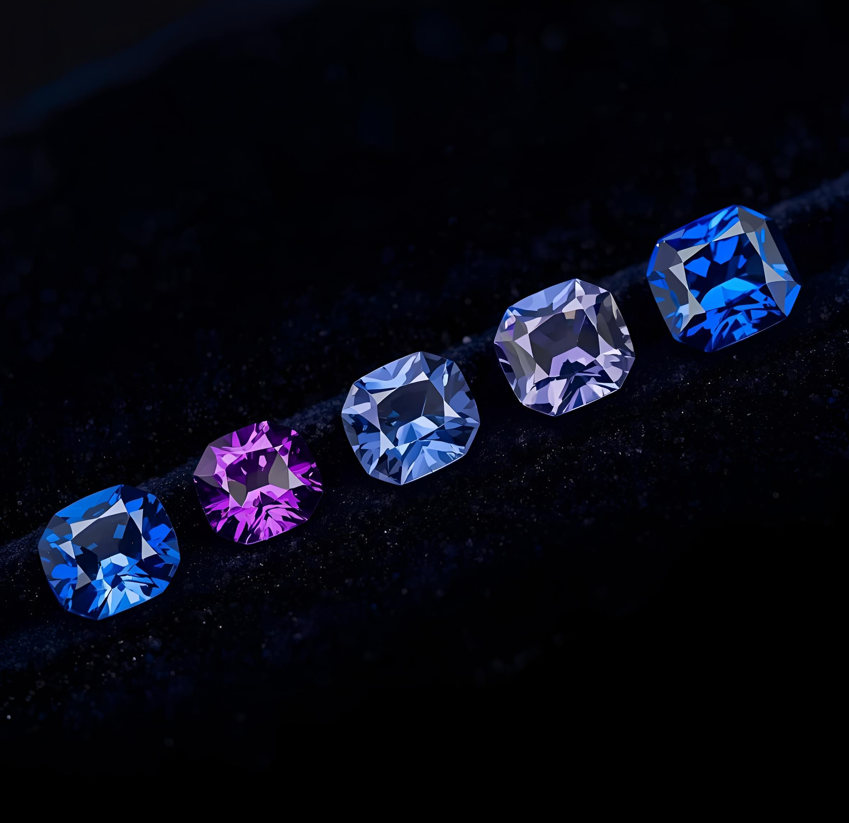
For anyone looking to buy tanzanite stone—whether online, from a jeweler, or at wholesale markets—understanding price dynamics is essential. Tanzanite’s value depends on multiple factors, and prices can range dramatically, from affordable small gems to rare, investment-grade stones.
Factors That Influence Tanzanite Price
Like most gemstones, tanzanite’s value is determined by the “4Cs”—Color, Clarity, Cut, and Carat weight—plus its rarity.
- Color – Deep blue and violet hues with strong saturation command the highest tanzanite price per carat. Lighter stones are less expensive.
- Clarity – Eye-clean stones free from visible inclusions are more valuable.
- Cut – A well-cut stone maximizes brilliance and color. Poorly cut gems may appear dull or uneven.
- Carat Weight – Larger stones (above 5 carats) are significantly rarer, and their price per carat increases with size.
- Special Varieties – Rare color change tanzanite and green tanzanite often fetch premium prices because of their uniqueness.
- Certification – A certified tanzanite is always priced higher, as buyers are assured of authenticity and quality.
Tanzanite Price Range
Tanzanite offers buyers a range of options depending on budget:
- Commercial Quality (Small Stones) – $100–$300 per carat for lighter or included stones.
- Fine Quality (1–5 Carats) – $400–$800 per carat for richly colored stones.
- Investment Grade (Over 5 Carats) – $900–$2,000+ per carat for deep blue, high-clarity gems.
For perspective, a 10-carat loose tanzanite stone of fine quality can cost more than $15,000, especially if it carries certification.
Tanzanite Price per Carat vs. Sapphire & Emerald
Compared to other precious gems, tanzanite offers excellent value:
- Blue Sapphire – Premium sapphires can cost $5,000–$20,000 per carat.
- Emerald – Colombian emeralds range from $2,000–$15,000 per carat.
- Tanzanite – Even at $2,000 per carat for the finest stones, it remains far more affordable.
This makes it a favorite among buyers who want something rare and beautiful without the extreme cost of traditional “Big Three” gems (sapphire, ruby, emerald).
Market Demand & Rarity
Since all tanzanite originates from a single mining area in Tanzania, supply is limited. Experts estimate that the mines could be depleted in the coming decades, which would significantly raise tanzanite prices.
- Demand is particularly strong in the USA, Europe, and Asia, where collectors seek loose tanzanite gemstones for custom jewelry.
- Rising awareness of color change tanzanite and certified tanzanite has also boosted international interest.
Many gem investors view tanzanite as an undervalued stone with significant appreciation potential.
Buying Tanzanite Online vs. In-Person
With the growth of e-commerce, many buyers choose to buy tanzanite stone online. Online marketplaces often provide:
- A wider selection of sizes and qualities.
- Transparent tanzanite price per carat listings.
- Certifications and return policies.
However, in-person purchases at gem fairs or specialized jewelers allow buyers to inspect color and clarity directly. A balanced approach is to research online, then finalize through a trusted dealer.
How to Buy Tanzanite – A Complete Buyer’s Guide
Purchasing tanzanite can be exciting, but it requires careful attention to detail. Unlike diamonds or sapphires, tanzanite is relatively new to the gemstone market, and many first-time buyers are unsure what to look for. Whether someone wants loose tanzanite stones, certified tanzanite, or a finished jewelry piece, this guide highlights everything needed to make a safe and smart purchase.
Decide on Your Buying Preference
There are several ways to approach buying tanzanite:
- Loose Tanzanite Stones – Perfect for those who want to customize jewelry. Loose tanzanite gemstones are also favored by collectors and investors.
- Jewelry Settings – Rings, pendants, and earrings featuring tanzanite are widely available, but they may limit flexibility in design.
- Rare Varieties – Shoppers looking for something unique may seek color change tanzanite or green tanzanite.
Understanding Certification
One of the most important steps when buying tanzanite is ensuring authenticity. A certified tanzanite comes with a grading report from a recognized gemological laboratory (such as GIA or IGI).
Why certification matters:
- Confirms the stone is genuine tanzanite, not a synthetic or imitation.
- Provides details on carat weight, clarity, cut, and color.
- Increases resale value and buyer confidence.
Always ask for certification before making a purchase, especially for high-value stones.
Online vs. In-Person Buying
Buying Tanzanite Online
Many buyers choose to buy tanzanite stone online due to convenience and wider selection. Benefits include:
- Access to international inventory.
- Competitive tanzanite price per carat comparisons.
- Easy access to tanzanite stones for sale in different cuts and sizes.
Tips for safe online buying:
- Purchase only from trusted sellers with reviews and return policies.
- Verify whether the gemstone is certified tanzanite.
- Request high-quality images or videos showing color under different lighting.
Buying Tanzanite In-Person
For those who prefer to examine gems directly, buying from jewelers or gem fairs has its advantages:
- Ability to see true color, brilliance, and clarity with the naked eye.
- Opportunity to compare several loose tanzanites side by side.
- Chance to negotiate pricing directly with dealers.
Both methods can be safe if approached wisely, but beginners may prefer a local jeweler for peace of mind.
How to Evaluate a Tanzanite Before Buying
When considering tanzanite stones for sale, buyers should evaluate:
- Color – Look for deep violet-blue saturation, considered most valuable.
- Clarity – Avoid stones with visible inclusions unless budget is tight.
- Cut – Ensure proportions enhance sparkle.
- Carat Weight – Decide based on budget; larger stones are rarer and cost more.
- Varieties – If seeking green tanzanite or color change tanzanite, expect a premium price.
Common Mistakes to Avoid
- Ignoring Certification – Buying uncertified gems is risky.
- Focusing Only on Size – A big stone with poor color or clarity may be less valuable than a smaller, high-quality gem.
- Not Researching Prices – Compare tanzanite price per carat across sellers before committing.
- Impulse Buying – Always research, ask questions, and compare options.
Practical Buying Tips
- Start with smaller loose tanzanite stones if buying for the first time.
- Work with reputable jewelers when customizing jewelry.
- If buying as an investment, focus on certified tanzanite with exceptional color and clarity.
- Keep records of invoices, certifications, and valuations for future resale.
For many buyers, the appeal of tanzanite goes beyond its beauty—its symbolism adds personal meaning to each purchase.
Tanzanite in Jewelry and Culture
Tanzanite’s global recognition grew rapidly after its introduction by Tiffany. In Hollywood and royal circles, tanzanite jewelry became a favorite because of its rarity and striking violet-blue hues.
- Fashion Appeal – Tanzanite rings, earrings, and pendants are often seen on red carpets, valued for their vibrant yet elegant tones.
- Cultural Significance in Tanzania – Among the Maasai people, tanzanite is considered a gemstone of life and prosperity. It is often gifted to women after childbirth as a blessing for good fortune and health.
- Collectors’ Value – Gemstone collectors worldwide prize unique varieties such as green tanzanite or color change tanzanite, as they reflect the rarest qualities of this already scarce gem.
Tanzanite and the Market Value
The cultural and symbolic importance of tanzanite directly influences its value. While the tanzanite price per carat depends on quality factors such as color, cut, and clarity, cultural demand has boosted its global popularity.
- Color Appeal – The intense violet-blue shade is often described as more vivid than sapphire, driving strong demand.
- Investment Value – Many jewelers encourage buyers to consider certified tanzanite because its rarity suggests long-term appreciation.
- Trends in Jewelry – Millennials and younger buyers, attracted to unique stones with stories, increasingly prefer to buy tanzanite gemstone as an alternative to traditional diamonds.
Tanzanite in Modern Symbolism
Today, tanzanite carries multiple layers of meaning:
- A symbol of rarity and uniqueness — since it’s found in only one place on Earth.
- A modern success story — from a local Tanzanian discovery to worldwide recognition in just over 50 years.
- A stone of elegance — often chosen for engagement rings and high-end jewelry, rivaling more established gems.
Why Symbolism Matters When Buying
For many buyers, gemstones are more than luxury items—they are emotional investments. When someone chooses to buy tanzanite stone online or from a jeweler, they are often motivated by both beauty and meaning.
- Collectors see it as an investment in rarity.
- Spiritual seekers embrace its calming and transformative symbolism.
- Families cherish it as a meaningful heirloom, especially as a birthstone.
This unique blend of rarity, beauty, and cultural symbolism sets tanzanite apart from other gems.
Final Thoughts
Tanzanite’s journey—from a small Tanzanian hillside to the global gemstone market—is nothing short of extraordinary. It is a gem that embodies history, culture, symbolism, and rarity, making it one of the most desirable stones in the world today.
For anyone exploring tanzanite stones for sale, understanding its story adds deeper meaning to the purchase. Whether seeking loose tanzanite stones for a custom jewelry piece or investing in certified tanzanite, buyers are not just acquiring a gem—they are becoming part of its incredible history.
Investment Potential & Rarity of Tanzanite
Why Tanzanite is Considered Rare
Tanzanite is among the rarest gemstones in the world. Unlike sapphires, emeralds, or rubies that are mined in multiple locations globally, tanzanite comes exclusively from one small mining area near Mount Kilimanjaro in northern Tanzania. This single-source origin means that once mines are depleted, no new deposits are expected to be found elsewhere.
- Experts often describe tanzanite as being “a thousand times rarer than diamonds.”
- Limited geographic availability increases both its rarity and desirability.
- Varieties like green tanzanite and color change tanzanite are even rarer, making them appealing to collectors who want unique pieces.
Tanzanite as an Investment
For many buyers, purchasing a gemstone is more than acquiring a piece of jewelry—it’s also about securing long-term value.
- Market Scarcity – With mining expected to decline over the next few decades, owning high-quality loose tanzanite stones today can be a strategic investment.
- Value Appreciation – Over the years, prices for certified tanzanite and loose tanzanite gemstones have steadily increased, particularly for stones above 5 carats with strong color saturation.
- Comparison to Other Gems – While diamonds are traded on a much larger scale, tanzanite’s rarity and limited supply make it attractive for investors who want a gemstone with growth potential.
Factors That Increase Tanzanite’s Investment Value
When evaluating whether to buy tanzanite gemstone as an investment, buyers should consider:
- Certification – Always choose certified tanzanite with reliable gemological reports. This adds credibility and assures future resale value.
- Size and Quality – Larger loose tanzanite stones with vivid violet-blue hues are the most sought after.
- Unique Varieties – Stones with rare characteristics, such as color change tanzanite, often appreciate faster.
- Market Demand – The growing popularity of colored gemstones in fine jewelry continues to strengthen demand for tanzanite stones for sale globally.
Risks in Tanzanite Investment
While the potential for appreciation is strong, buyers should also be aware of risks:
- Market Fluctuations – Like any commodity, gemstone prices can vary depending on global demand.
- Treatment Disclosure – Most tanzanite is heat-treated to achieve its signature blue-violet color. Lack of proper disclosure may affect resale value.
- Authenticity Issues – Unscrupulous sellers may offer synthetic or imitation stones, making it crucial to buy tanzanite stone online only from trusted sources.
Future of Tanzanite Rarity
Tanzanian government regulations and controlled mining practices may further restrict supply in coming years. As a result:
- High-quality loose tanzanites are expected to become increasingly rare on the market.
- Collectors and investors who secure certified tanzanite today may benefit from significant value appreciation in the future.
- The gemstone’s unique single-source story continues to add emotional and financial weight for both jewelry lovers and investors.
How to Care for Tanzanite
Understanding Tanzanite’s Durability
Tanzanite is a stunning gemstone, but it is softer compared to many other precious stones. Ranking around 6 to 6.5 on the Mohs scale, it is more delicate than sapphire or diamond. This means proper handling is crucial to maintain its brilliance.
Owners of loose tanzanite gemstones or set jewelry must be mindful of its sensitivity to scratches and impacts. Even though certified stones are durable enough for jewelry, everyday wear—especially in rings—requires extra care.
Cleaning Tanzanite Safely
To preserve the beauty of loose tanzanite stones, gentle cleaning is essential.
- Do use: Warm, soapy water and a soft cloth or brush.
- Do not use: Ultrasonic cleaners, harsh chemicals, or steam cleaning, as they can damage the stone.
- Routine care: After wearing, simply wipe the stone with a lint-free cloth to remove dust and oils.
Collectors who buy tanzanite stone online often receive care guides, but following simple steps at home can extend the gem’s life significantly.
Storing Tanzanite Properly
Improper storage is one of the main reasons gemstones lose their luster over time.
- Keep loose tanzanites in individual soft pouches or lined boxes to prevent scratches.
- Never store green tanzanite or color change tanzanite with harder gemstones such as diamonds or sapphires.
- Always avoid high temperatures or direct sunlight for extended periods, as this may affect the stone’s delicate hues.
Wearing Tanzanite Jewelry with Care
While tanzanite jewelry is breathtaking, it’s best suited for occasional wear rather than daily use.
- Rings: If set in rings, choose protective settings such as bezels to shield the edges.
- Earrings & Pendants: Safer choices for long-term wear, since they face less exposure to knocks.
- Engagement Rings: If chosen, buyers should be extra mindful, as tanzanite price per carat for larger stones can make replacements costly.
Professional Maintenance & Resale Value
For long-lasting sparkle, periodic professional checks are recommended. Jewelers can re-polish and secure settings for loose tanzanite gemstones mounted in jewelry.
Proper care not only maintains the gem’s beauty but also ensures strong resale value. Collectors hoping to sell later will find that well-preserved, certified tanzanite holds a higher tanzanite price compared to neglected stones.
Tanzanite in Jewelry Design & Fashion Trends
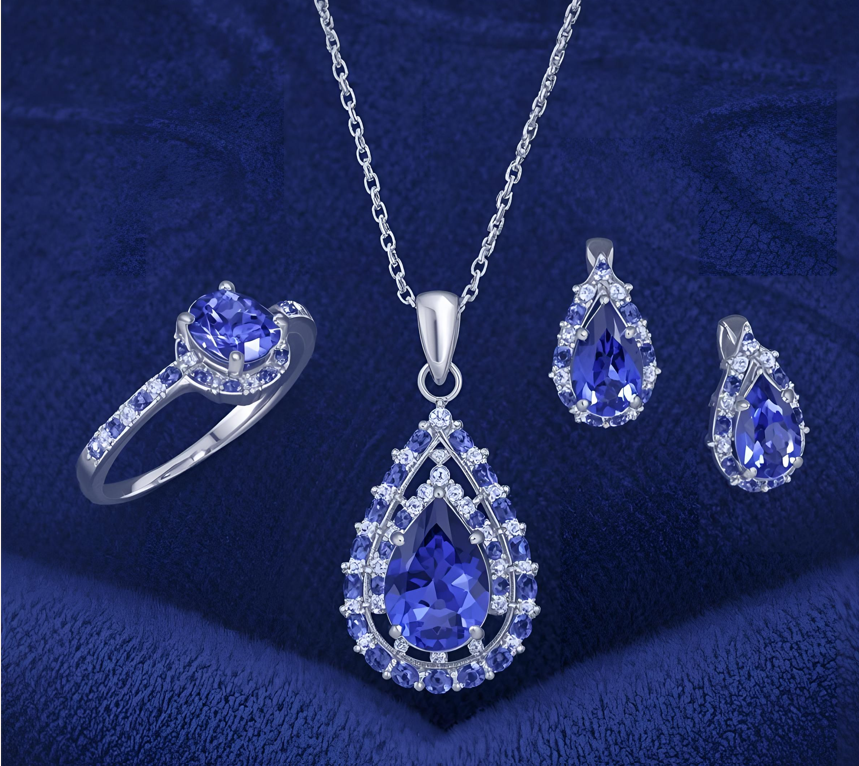
9.1 Tanzanite’s Rise in the Jewelry World
Since its discovery in the 1960s, tanzanite has quickly risen to become one of the most beloved gemstones for designers and collectors. Its deep violet-blue hues and ability to shift colors make it unique compared to other stones. While diamonds and sapphires dominate the traditional jewelry market, loose tanzanite gemstones have found a niche among modern buyers who want rare, exotic beauty.
Jewelry houses in New York, London, and Paris often showcase tanzanite stones for sale in exclusive collections, and online platforms make it easy for customers worldwide to explore and purchase.
Tanzanite Rings – A Bold Statement
Among all jewelry pieces, tanzanite rings are especially popular. The vivid blue to violet hues look striking on engagement rings or cocktail rings. However, given its softer nature, jewelers often recommend protective settings for loose tanzanite stones.
High-carat stones are rare, and their tanzanite price per carat can increase significantly, making them a symbol of both love and luxury.
Tanzanite in Pendants and Necklaces
Tanzanite pendants remain one of the safest and most fashionable ways to wear this gemstone. Designers often highlight certified tanzanite in solitaire pendants, allowing the stone’s natural brilliance to take center stage.
Layered necklace trends also incorporate color change tanzanite to give jewelry pieces an elegant twist, shifting tones under different light conditions.
Earrings and Bracelets – Subtle Luxury
For everyday elegance, loose tanzanite gemstones set into earrings are a favorite choice. Whether in studs or drops, they add sophistication without being overwhelming.
Bracelets featuring green tanzanite or mixed with diamonds and sapphires are rarer but are gaining popularity among collectors who appreciate one-of-a-kind jewelry.
Tanzanite in Men’s Jewelry
Traditionally, gemstones like sapphire or ruby dominate men’s accessories. However, loose tanzanites are becoming a fashionable choice in cufflinks, tie pins, and even rings. Their bold yet elegant tones appeal to modern men who appreciate distinctiveness.
Fashion Trends & Celebrity Influence
Celebrities and influencers have played a big role in popularizing tanzanite buy trends. Hollywood red carpets frequently showcase tanzanite pendants and rings. With social media, the demand for buy tanzanite stone online has surged, as people are inspired by these high-profile fashion choices.
Designers experiment with loose tanzanite gemstones in contemporary settings, mixing metals like white gold, platinum, and even rose gold to highlight the gem’s exotic tones.
Custom Jewelry and the Appeal of Loose Stones
Modern jewelry buyers increasingly want customization. Instead of pre-set pieces, many prefer to buy loose tanzanite gemstones and then design unique rings, pendants, or earrings.
Online platforms offering tanzanite stones for sale provide a wide variety of shapes and cuts, from oval and round to cushion and pear. This flexibility allows customers to create personalized jewelry that reflects their taste and personality.
Tanzanite in Luxury Fashion Houses
International luxury brands often feature loose tanzanite stones in limited collections. These high-end pieces highlight exceptional clarity and carat sizes, often accompanied by certification. For elite buyers, such collections represent not just fashion but also investment.
Tanzanite Price Trends in Jewelry
In jewelry design, pricing is influenced by both stone and craftsmanship. While the tanzanite price per carat depends on size, cut, and color, adding premium metals and designer branding elevates the final value significantly.
For example:
- A loose tanzanite gemstone of 2–3 carats may be priced affordably.
- The same stone, once set in a designer ring or pendant, could cost three to four times more.
This makes jewelry both a fashion statement and a financial commitment.
Investment Value of Tanzanite – Why Collectors and Investors are Paying Attention
Tanzanite as a Rare Investment Asset
Unlike diamonds, sapphires, or rubies that are found in multiple regions worldwide, tanzanite comes from a single source in Tanzania. This extreme rarity adds to its allure as an investment stone. Geologists often note that the mines near Mount Kilimanjaro may be exhausted within the next few decades, which means future generations might only access tanzanite through secondary markets.
This limited supply and rising demand make collectors and investors pay close attention to loose tanzanite gemstones.
Factors That Influence Tanzanite Price
When assessing investment potential, buyers look closely at:
- Color: Deep violet-blue or saturated hues command higher tanzanite price per carat.
- Clarity: Clean, transparent stones are valued more than those with visible inclusions.
- Carat Weight: Larger stones (5+ carats) are much rarer and exponentially more expensive.
- Certification: A certified tanzanite assures authenticity, increasing both trust and resale value.
- Cut Quality: A masterfully cut stone enhances brilliance, making it more desirable in both jewelry and investment circles.
Loose Tanzanite Stones vs. Set Jewelry
Investors often prefer to purchase loose tanzanite stones rather than pre-set jewelry. Why?
- Flexibility: Loose stones can later be set in custom jewelry or sold as-is.
- Lower Premiums: Jewelry adds craftsmanship and brand markups. Loose stones reflect purer gemstone value.
- Liquidity: Reselling loose tanzanite gemstones is often easier in gem auctions and wholesale markets.
Certified Tanzanite – The Key to Safe Investing
One of the biggest challenges in gemstone investment is avoiding treated or synthetic stones. With tanzanite, heating treatments are common, but they’re generally accepted if disclosed.
However, buyers must be cautious of imitations. A certified tanzanite from trusted gemological labs ensures that the stone is natural, authentic, and properly graded. Without certification, resale becomes risky.
Price Appreciation & Market Trends
Over the past two decades, tanzanite price trends have shown steady appreciation. While not as historically established as rubies or emeralds, its rarity has driven demand among niche investors.
- Small Stones (1–2 carats): Affordable, making them popular for entry-level buyers.
- Mid-Sized Stones (3–5 carats): A sweet spot for collectors who want rarity without breaking the bank.
- Large Stones (10+ carats): These fetch premium prices, with auctions recording impressive sales.
Industry insiders predict that as mining becomes more limited, tanzanite buy opportunities will grow scarce, driving up prices further.
Tanzanite vs. Other Gemstone Investments
Compared to diamonds, which have a more controlled market, or sapphires, which have global mining sources, tanzanite offers a unique scarcity-driven investment story.
- Tanzanite vs. Sapphire: Sapphire is classic and always in demand, but tanzanite’s rarity makes it attractive for long-term appreciation.
- Tanzanite vs. Emerald: Emeralds are historically valuable, but prone to inclusions; high-quality loose tanzanites often appear cleaner.
- Tanzanite vs. Diamond: Diamonds dominate mainstream investment, but tanzanite attracts those seeking exclusivity and rarity.
Risks in Tanzanite Investment
Like any investment, tanzanite carries risks:
- Market Volatility: Gemstone markets can fluctuate based on trends and global demand.
- Treatment Disclosure: Stones without transparent documentation can lose trust in resale markets.
- Liquidity: While rare, not all buyers are familiar with tanzanite compared to diamonds.
Still, with proper knowledge and certified tanzanite, investors can minimize these risks.
Tips for Smart Tanzanite Investment
- Start with Research: Learn about tanzanite price per carat variations.
- Buy Certified: Always request certification to avoid imitations.
- Choose Loose Stones: Opt for loose tanzanite gemstones before custom jewelry.
- Diversify: Mix with other gems like sapphire or ruby for portfolio balance.
- Work with Reputable Sellers: Whether you buy tanzanite stone online or offline, trusted sellers are crucial.
Future Outlook for Tanzanite Investments
Experts forecast strong appreciation due to supply constraints. As loose tanzanite stones become rarer, especially in high-carat weights, their value is likely to climb significantly. Early investors may find themselves holding a gemstone that becomes far more valuable over the next 20–30 years.
How to Care for Tanzanite – Cleaning, Storage, and Maintenance Tips
Why Tanzanite Requires Extra Care
Tanzanite is one of the most captivating gemstones, but it is not as hard or durable as diamonds or sapphires. On the Mohs scale, it rates around 6 to 7, meaning it can scratch or chip if not handled carefully. Owners of loose tanzanite gemstones or jewelry need to pay extra attention to keep them in perfect condition.
11.2 Best Cleaning Practices for Tanzanite
Unlike diamonds that can handle ultrasonic cleaners, tanzanite should be cleaned gently.
✅ Safe Cleaning Method:
- Use lukewarm water with mild soap.
- Gently brush with a soft-bristled brush (like a baby toothbrush).
- Rinse under running water and pat dry with a soft cloth.
❌ Avoid:
- Harsh chemicals like bleach or ammonia.
- Ultrasonic or steam cleaners (they can crack or weaken the stone).
Owners who buy tanzanite gemstone should request care instructions from the seller, especially for certified tanzanite.
Storing Tanzanite Safely
Because of its relative softness, loose tanzanite stones should not be stored with harder gems like diamonds or sapphires.
- Store in individual soft pouches or fabric-lined boxes.
- Keep away from extreme heat (tanzanite can be heat-sensitive).
- Avoid stacking jewelry where loose tanzanite may rub against metal or other stones.
Wearing Tanzanite Jewelry with Care
For those who set loose tanzanite stones into rings, bracelets, or necklaces, it’s important to remember:
- Best suited for occasional wear rather than daily use.
- Rings should have protective settings (e.g., bezel settings) instead of prongs.
- Remove jewelry before exercise, gardening, or household cleaning.
Professional Maintenance
Even with careful storage, regular maintenance ensures long-term beauty:
- Have your stone checked annually by a professional jeweler.
- If the stone is loose in its setting, get it tightened immediately.
- Re-polishing may be required if scratches accumulate over time.
Those who buy tanzanite stone online from reputable sellers often receive aftercare guides or professional cleaning recommendations.
Caring for Loose Tanzanite vs. Set Jewelry
- Loose Tanzanite Gemstones: Best stored individually, with minimal handling. These are often purchased for investment or future custom settings.
- Set Tanzanite Jewelry: Needs more frequent cleaning since it comes into contact with skin oils, lotions, and perfumes.
Common Mistakes to Avoid
Many buyers make errors that reduce the beauty and value of their stones:
- Wearing tanzanite while swimming (chlorine is harmful).
- Exposing it to direct heat (e.g., hot jewelry cleaning machines).
- Using abrasive cloths that cause micro-scratches.
Avoiding these mistakes helps preserve both the tanzanite price and aesthetic appeal.
Tanzanite’s Symbolic Care
For those who value the metaphysical side, tanzanite is considered a stone of transformation and calm energy. Many owners cleanse it spiritually by:
- Placing under moonlight.
- Storing with clear quartz.
- Meditating with it for balance and clarity.
While these practices are optional, they add an emotional bond beyond physical care.
Final Care Checklist for Tanzanite Owners
- Always clean gently with soap and water.
- Store separately in soft cases.
- Avoid heat, harsh chemicals, and ultrasonic cleaners.
- Get professional maintenance yearly.
- Wear with care — it’s a special-occasion gemstone, not for rough daily wear.
Tanzanite Symbolism, Healing Properties, and Cultural Significance
The Symbolism of Tanzanite
Tanzanite has often been called a “stone of transformation” because of its deep connection to spiritual growth, clarity, and higher consciousness. Its rare violet-blue color has inspired cultures and collectors alike, symbolizing:
- Calmness & Balance: The soothing hues of loose tanzanite gemstones are believed to bring peace of mind.
- Transformation: Many see it as a gem that helps individuals transition into new life chapters.
- Luxury & Exclusivity: Owning certified tanzanite often symbolizes wealth, sophistication, and refined taste, since it is rarer than diamonds.
In metaphysical traditions, tanzanite is often associated with wisdom, truth, and deep intuition.
Tanzanite in Healing and Energy Work
Many crystal enthusiasts buy tanzanite gemstone not only for its beauty but also for its energy properties.
🌌 Emotional Healing:
- Helps reduce anxiety and overthinking.
- Encourages emotional balance.
- Promotes self-expression.
🌌 Spiritual Healing:
- Linked to the third-eye chakra (intuition) and crown chakra (spiritual connection).
- Used in meditation to deepen focus.
- Believed to stimulate psychic awareness and creativity.
🌌 Physical Healing (Beliefs):
While not scientifically proven, crystal healers often suggest tanzanite may support the immune system, aid in detoxification, and improve skin health.
Cultural Significance of Tanzanite
Since its discovery in 1967 near Mount Kilimanjaro, tanzanite has held a unique cultural and historical importance.
- Tanzanian Pride: Tanzanite is found only in one location worldwide — Tanzania. For local communities, the gemstone is both an economic resource and a symbol of national pride.
- Global Recognition: Tiffany & Co. played a major role in introducing loose tanzanite stones to the world, branding it as the “gemstone of the 20th century.”
- December Birthstone: In 2002, tanzanite was officially added as a birthstone for December, alongside turquoise and zircon, increasing global demand for tanzanite stones for sale.
Tanzanite as a Gift
Tanzanite is often chosen as a meaningful gift because of its symbolic energy.
🎁 Occasions Where It Shines:
- Birthdays in December – It’s a birthstone choice.
- 25th Wedding Anniversary – Associated with long-lasting love and commitment.
- New Beginnings – People often buy tanzanite stone online as a gift for someone starting a new journey in life (career, family, or spiritual growth).
Because of its emotional meaning, many believe gifting tanzanite strengthens relationships and offers protection to loved ones.
Modern-Day Popularity
In recent years, interest in loose tanzanite has grown among both jewelry buyers and investors.
- Millennials & Gen Z Buyers: Younger generations are drawn to its unique hues and exclusivity.
- Spiritual Communities: Crystal healers recommend color change tanzanite for meditation and healing practices.
- Luxury Collectors: With rising tanzanite price per carat, collectors value it as a rare investment gem.
Tanzanite in Fashion and Celebrity Culture
Tanzanite has appeared in high-end fashion and red-carpet jewelry:
- Celebrities: Several Hollywood stars have worn buy tanzanite gemstone jewelry at award shows, boosting its visibility.
- Designers: International jewelers frequently showcase loose tanzanite gemstones in artistic, one-of-a-kind designs.
- Trend Factor: The allure of green tanzanite and color change tanzanite has added diversity, appealing to collectors who want something beyond the classic violet-blue.
Balancing Practicality with Symbolism
While many buy tanzanite stone for its symbolism, owners must balance spiritual beliefs with practical care (see Part 11). Proper maintenance ensures that both the metaphysical energy and the stone’s beauty remain intact.
Final Thoughts on Tanzanite Symbolism
Tanzanite’s symbolism extends beyond its dazzling appearance. It represents personal transformation, peace, and rare beauty. Whether bought as loose tanzanite stones for sale, treasured in jewelry, or cherished for its spiritual energy, tanzanite continues to inspire wonder worldwide.
For some, it is an investment. For others, a healing stone. And for many, it is simply the most enchanting gemstone nature has to offer.